




Muscat: Oman’s Islamic finance industry, which reached a value of about $36 billion at the end of last year, is projected to balloon to $45 billion in 2026, underscoring the strong growth trajectory of Sharia-compliant finance in the Sultanate of Oman.
According to Fitch Ratings, the sector is expected to witness double-digit growth this year, bolstered by “favourable economic conditions, the continued importance of sukuk as a funding and policy tool, government initiatives and bottom-up public demand for Sharia-compliant products”.
“We estimate that the Omani Islamic finance industry reached about $36 billion at end-2025 and could approach $45 billion in 2026. Islamic banking assets represent about two-thirds of the total, followed by outstanding sukuk (about 32 per cent). The wider ecosystem remains nascent: takaful and Islamic asset management are small, together accounting for about 2.5 per cent”, the international ratings agency said.
Significantly, the market share of Islamic banks and Islamic windows of conventional banks rose to about 20 per cent of banking sector assets at end-November 2025, up from 19.2 per cent a year earlier. Total Islamic banking assets climbed to $24.1 billion, with growth exceeding that of conventional banks. Islamic windows operated by six conventional banks controlled over 60 per cent of Islamic banking assets in 2025, leveraging their parent institutions’ established franchises and infrastructure.
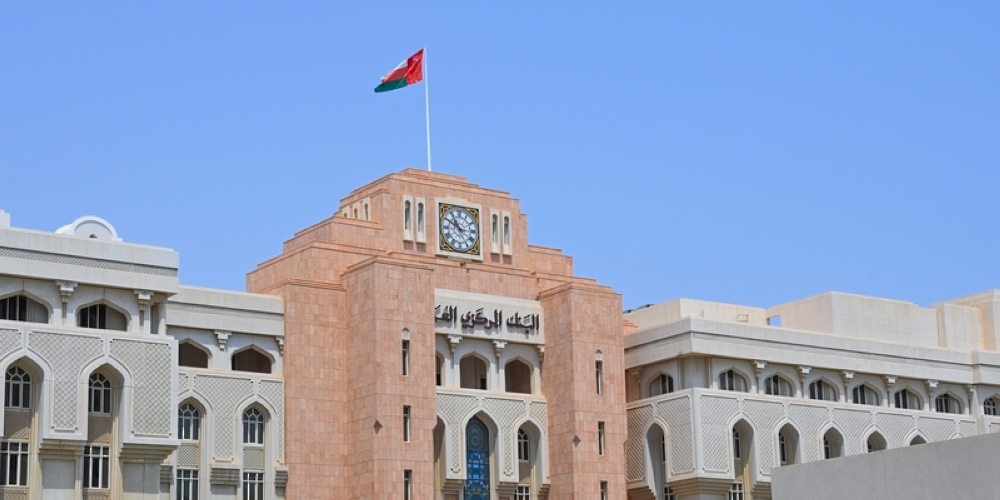
Boding well for the growth of the sector are initiatives and measures rolled out recently by the Central Bank of Oman (CBO). Notable among these is the launch of an electronic system providing Sharia-compliant liquidity management tools for Islamic banks. Earlier, the CBO approved a regulatory framework for Sharia-compliant finance and financial leasing companies.
In its statement, however, Fitch drew attention to the “structural constraints” that need to be addressed. These include a lack of Islamic treasury bills and derivatives, an underdeveloped Rial Omani sukuk and bond market; and the limited presence of Islamic non-bank financial institutions.
“Clear regulation and stronger oversight could create an enabling environment, raise investor and stakeholder confidence and attract capital”, the agency pointed out.
Likewise, the Financial Services Authority (FSA) established the Supreme Sharia Supervisory Authority in 2025, which has since reviewed the draft insurance law. Assets under management in Islamic funds remain modest, standing at around $575 million as of January 2026, while the takaful sector accounted for an 18 per cent share of gross direct premiums at end-2024.
Nevertheless, the business environment remains broadly upbeat for both Islamic and conventional banks, underpinned by moderate oil prices, Fitch said. Sustaining this momentum is the ongoing drive to diversify the economy in line with Oman Vision 2040, unlocking further opportunities for the banking sector.
Furthermore, sukuk accounted for the majority of all US dollar debt issuance in 2025 at about 60 per cent, with bonds making up the remainder. In addition, a number of Omani sukuk were upgraded following Oman’s December sovereign upgrade to ‘BBB-’.
In total, Fitch rated about $6.5 billion of outstanding Omani sukuk at end-2025, with 88 per cent rated ‘BBB-’ and 12 per cent rated ‘BB+’, all issuers on Stable Outlooks and no defaults.
“Demand for sukuk is supported by GCC Islamic and conventional banks. Oman Electricity Transmission Company issued Oman’s first green sukuk (BB+) in 2025. No ESG bond has been issued to date. Oman’s first Islamic commercial paper was also issued in 2025”, Fitch added.
Oman Observer is now on the WhatsApp channel. Click here