




I noticed it in the smallest place first. The way my attention started stuttering, like a car misfiring on a familiar road. The way rest stopped feeling like rest, and became a guilty pause between demands. Then, on the same week, I read about another ecosystem reaching a tipping point, and felt something land with clarity: we have taught ourselves to live as if replenishment is optional.
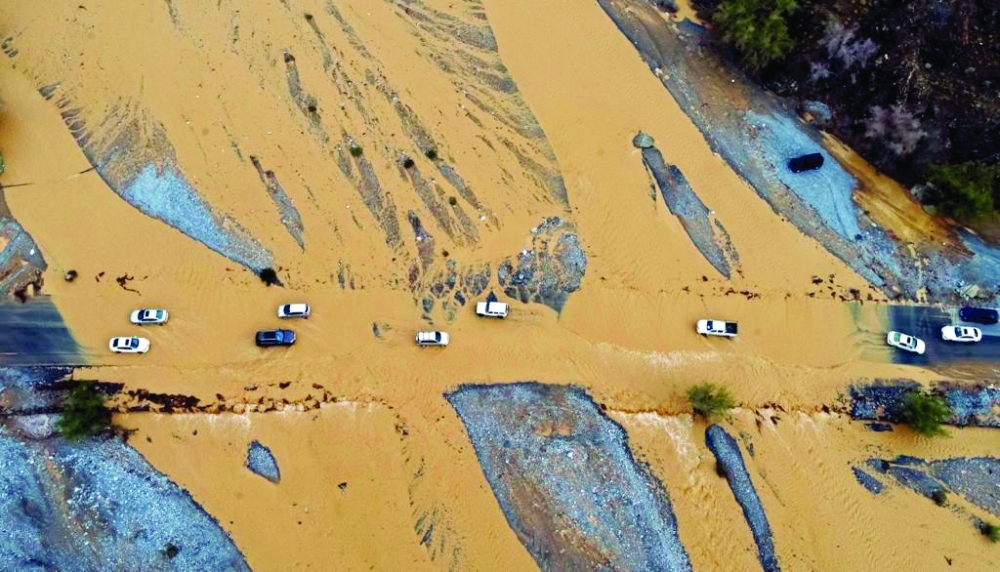
Burnout, in a person, has a tell. Sleep thins out. Patience shortens. The mind turns foggy in rooms that once felt easy. The body holds tension like it has nowhere else to put it. You can still show up and still deliver, and yet something inside you begins to ration itself. Creativity goes first. Then curiosity. Then tenderness. The inner world shifts into power-saving mode. Environmental burnout has a tell, too. Rivers run lower and warmer. Soil loses its life and becomes a medium for inputs. Coral turns pale, then brittle, then absent. Heat arrives earlier and stays longer, changing what can grow and what can endure. A season stops behaving like a season. A coastline stops holding.
We treat these as separate stories. Personal wellbeing on one side, climate on the other. Yet the symptoms rhyme because the design is similar. In both cases, we normalise extraction, then call endurance a virtue.
Consider the modern calendar. It is engineered for output, measured in deliverables and visible momentum. Recovery gets pushed into leftover hours and framed as indulgence. Even the language betrays us. Optimise. Maximise. Leverage. Scale. A body begins to feel like a machine whose purpose is production.
Now consider our relationship with the environment. Land becomes a site. Water becomes a supply. Forest becomes an asset. We ask nature to keep absorbing the strain, then act surprised when it begins to fail. In Bangladesh, the Sundarbans has lost nearly 200 square kilometres since 2000, even as it protects millions from storm surges. We log what shields us, then wonder why the floods arrive harder.
Today offered a counterpoint. I spent time with young minds who asked sharp questions and listened with full attention. A room like that resets something in you. It proves that energy returns when purpose is shared, when people feel their presence matters.
The environment needs that same nourishment. Younger minds need to be involved early, trusted with complexity, and invited into stewardship as a practice rather than a slogan. Regeneration asks for decision making that makes room for imagination alongside finance and engineering. It asks for systems that reward restoration, because restoration is a form of national strength.
The most dangerous stage of burnout is the one that still looks functional. A person can keep performing long after they have begun to fragment internally. An ecosystem can keep producing for a while after its foundations have started to collapse. There is a lag between depletion and visible failure, and that lag is where denial settles in.
Burnout is information. In the body, it is the nervous system saying the pace is unsafe. In the environment, it is the living world saying the load is too heavy. The response cannot be motivation or slogans. It has to be redesigned. Work that honours limits. Policies that reward regeneration. Systems where recovery stops being treated like a luxury.
Renewal begins when curiosity is protected, when people are trusted early, when the future is treated as a stakeholder. The question is not whether we can afford to redesign. The question is whether we can afford not to.
Oman Observer is now on the WhatsApp channel. Click here