




Hot springs have long existed at the intersection of nature and civilisation. For centuries, societies have built rituals, architecture and healing traditions around geothermal waters. Today, that legacy is being reinterpreted through the lens of modern wellness tourism.
In Japan, the onsen is not merely a bath but a social and spiritual practice. In Iceland, the Blue Lagoon merges geothermal science with luxury design, attracting more visitors each year than the country’s population. In Türkiye and Jordan, mineral springs have long been associated with therapeutic treatments for skin conditions and overall wellbeing.
Quietly, almost unnoticed, Oman is emerging as one of the world’s most compelling yet underexplored thermal landscapes.
Science partly explains the allure. Mineral-rich thermal waters are linked to improved circulation, muscle relaxation, skin health and enhanced sleep quality. Heat exposure promotes vasodilation, allowing oxygen to reach tissues more effectively, while minerals such as sulphur, calcium and magnesium contribute to immune and dermatological benefits.
Beyond physiology, however, hot springs offer something less measurable: psychological restoration. Wellness research consistently links thermal bathing with stress reduction, mood enhancement and a heightened sense of wellbeing. Perhaps this is why hot springs have become magnets for modern travellers seeking authenticity in an era of curated experiences.
This winter, instead of another café crawl or road trip to familiar spots, consider something different.
Where to begin
Unlike Japan or Iceland, Oman has never marketed itself as a hot spring destination. Yet beneath its mountains, wadis and desert plains lies a network of geothermal waters that rival more famous counterparts.
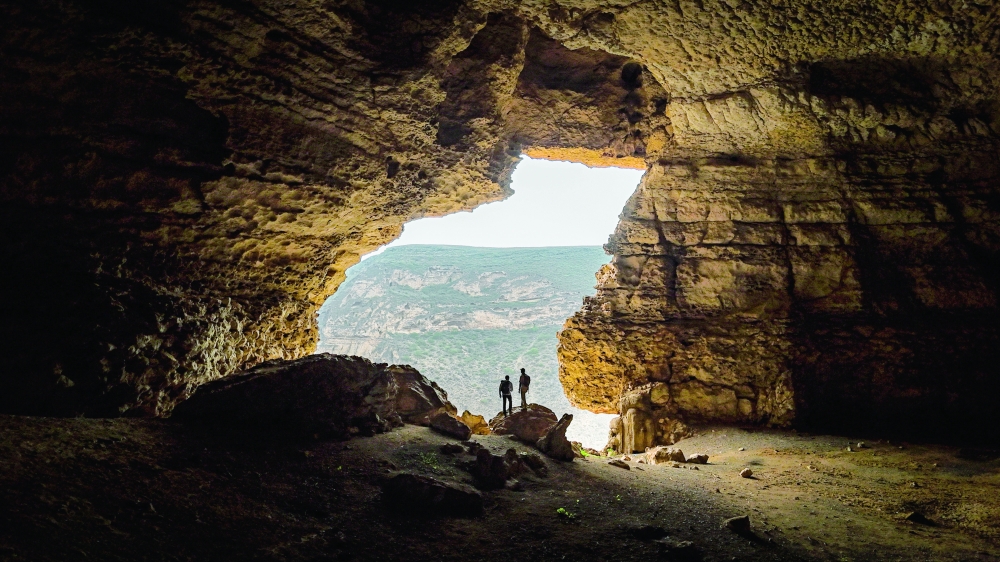
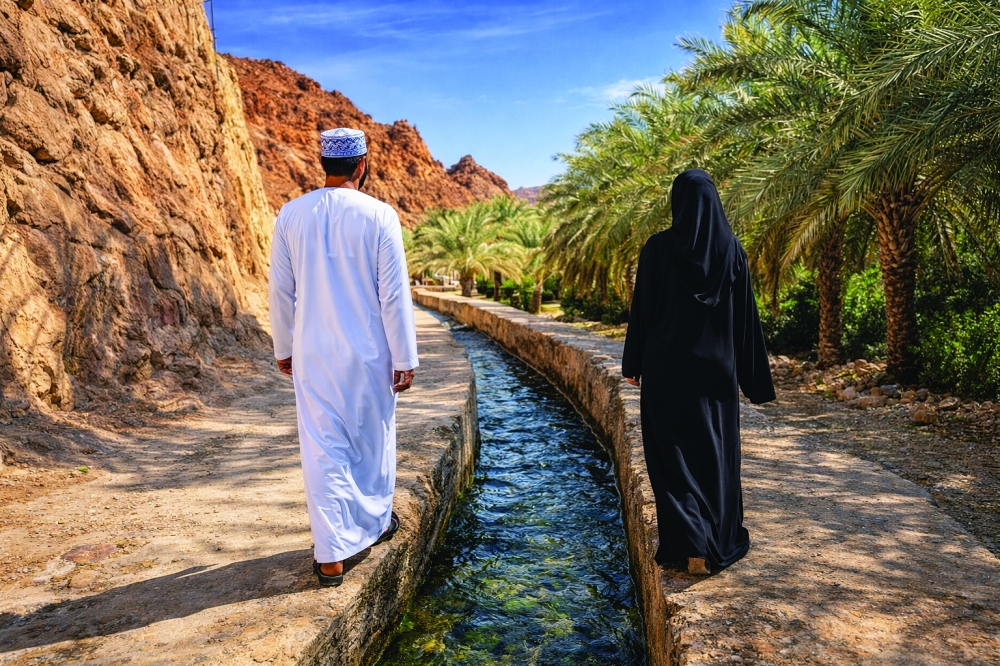
Oman’s hot springs are scattered across diverse landscapes, tucked into mountain villages, emerging beside falaj irrigation channels, or hidden within wadis where steam rises against limestone cliffs. They are rarely signposted and many are known only to locals, making them both alluring and elusive.
In Al Rustaq, Ain Al Kasfa is one of Oman’s most recognised hot springs. Warm sulphur water rises from the earth and collects in shallow pools near the historic town. Locals often stop by for short dips, while travellers combine the visit with nearby forts and villages. The water is hot, the setting simple and the atmosphere unhurried.
Further north in Nakhal, Ain Al Thawarah offers a different experience. Here, warm water flows through a palm-lined wadi, forming small pools along the stream. Visitors often remark that the deeper one walks into the valley, the quieter it becomes. What begins as a popular stop gradually transforms into a peaceful retreat, where nature takes centre stage.
These springs are among the most familiar to visitors, frequently appearing in travel itineraries and social media posts. Yet they represent only a fraction of Oman’s thermal landscape.
Beyond the guidebooks
Away from the main tourist routes, lesser-known springs reveal a more local side of Oman.
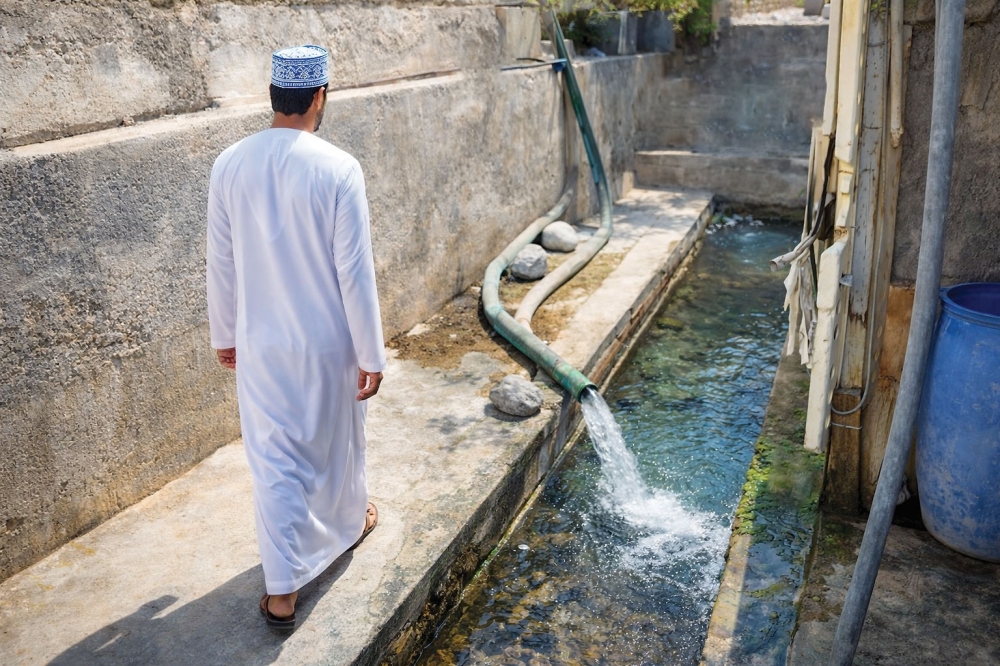
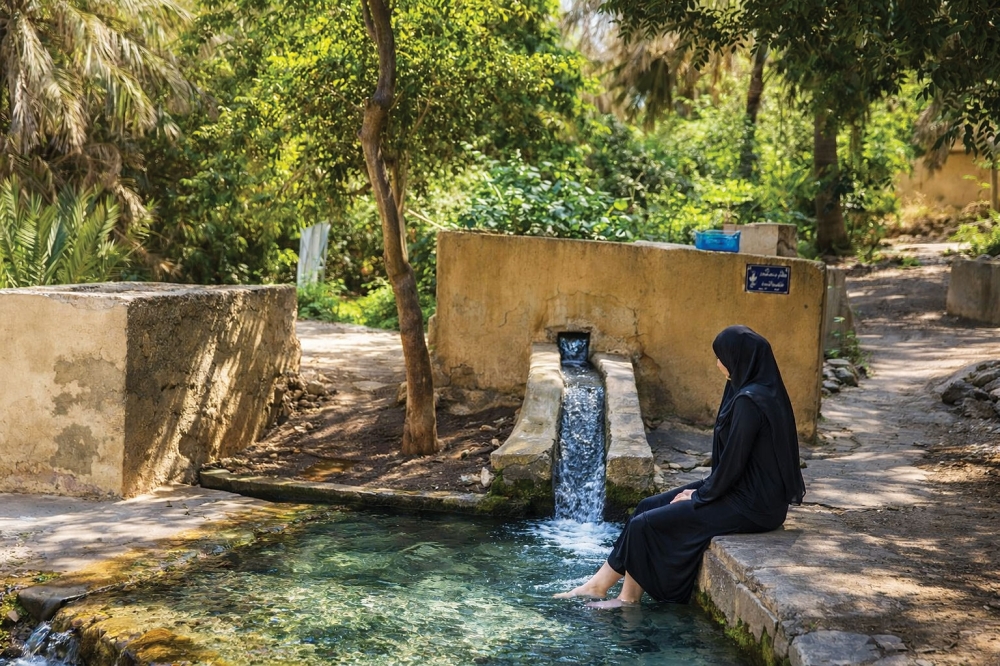
In Fanja, hot water flows through a village environment shaped by falaj irrigation systems and date palm groves. Unlike more developed sites, the springs here are woven into daily life. Locals use the warm water casually and the area feels less like a destination and more like a living community.
Nearby, the Al Hinn sulphur spring stands out for its striking turquoise hue. Mineral-rich water forms pools that appear almost unreal against the surrounding rock. Despite its visual impact, the site remains relatively quiet, known mainly through local knowledge and social media.
In Samayil, Ain Seyaa is another spring that exists largely outside mainstream tourism. Tucked within the mountains, it is often described online as a “hidden gem”. Visitors are drawn not only by its colour but by the calm atmosphere that surrounds it.
Further north, in the mountains near Suhar, Ain Sahban is known for its turquoise sulphur pools. The water emerges warm from the rocks and cools as it flows downstream. Visitors often mention the distinctive mineral scent and the contrast between rugged terrain and vibrant water.
Even Muscat hides its own thermal secrets. In areas such as Bausher and Ghala, springs like Ain Al Hammam and Ain Ghala rise through rocky wadis on the city’s outskirts. These sites are less about soaking and more about witnessing nature’s raw energy, where hot water breaks through stone in unexpected places.
A new way to explore Oman
Hot spring hopping is not about ticking off locations on a list; it is about following the flow of water across landscapes and communities.
As travellers increasingly seek experiences that feel ancient rather than engineered, hot springs offer a rare authenticity. They are not built attractions but geological stories unfolding over millennia.
Oman’s springs, untouched by mass tourism and embedded within dramatic landscapes, embody a form of quiet luxury that aligns perfectly with contemporary travel values: privacy, nature and meaning.
To soak in an Omani hot spring is not merely to relax, it is to witness the country’s hidden rhythms, where heat rises from the earth and time slows to the pace of water.
Oman Observer is now on the WhatsApp channel. Click here