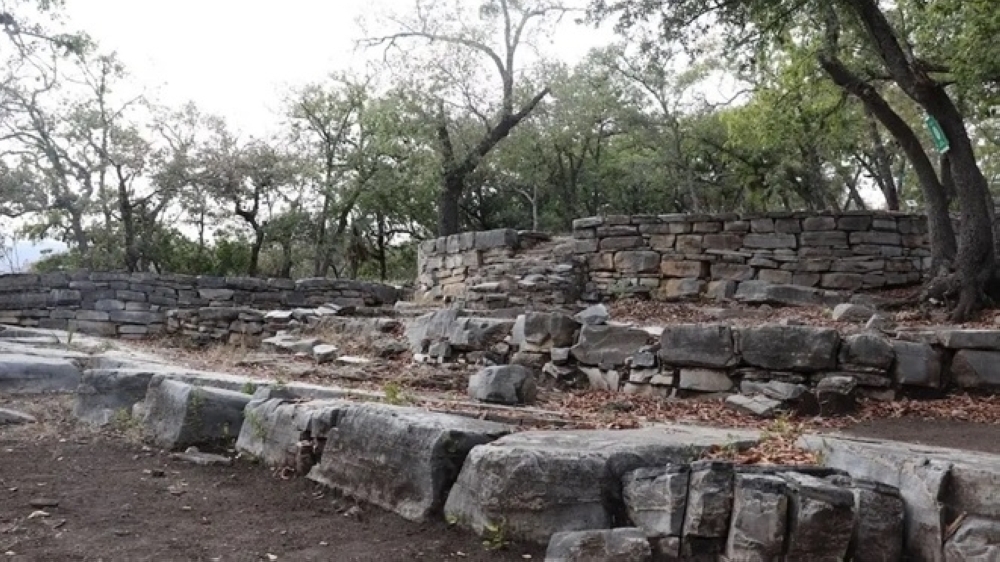





A Spectacular 1,400-year-old tomb belonging to the Zapotec civilisation has been discovered in Mexico.
"This is the most significant archaeological discovery of the last decade in Mexico", President Claudia Sheinbaum said on Friday.
The well-preserved tomb with murals, friezes and calendar inscriptions was found in San Pablo Huitzo in the southern state of Oaxaca.
Mexico's National Institute of Anthropology and History released more details of the tomb. An owl, which symbolises night and death for the Zapotecs, adorns the entrance to the antechamber.
Its beak covers the face of a Zapotec figure, made of painted stucco, to whom the complex was probably dedicated.
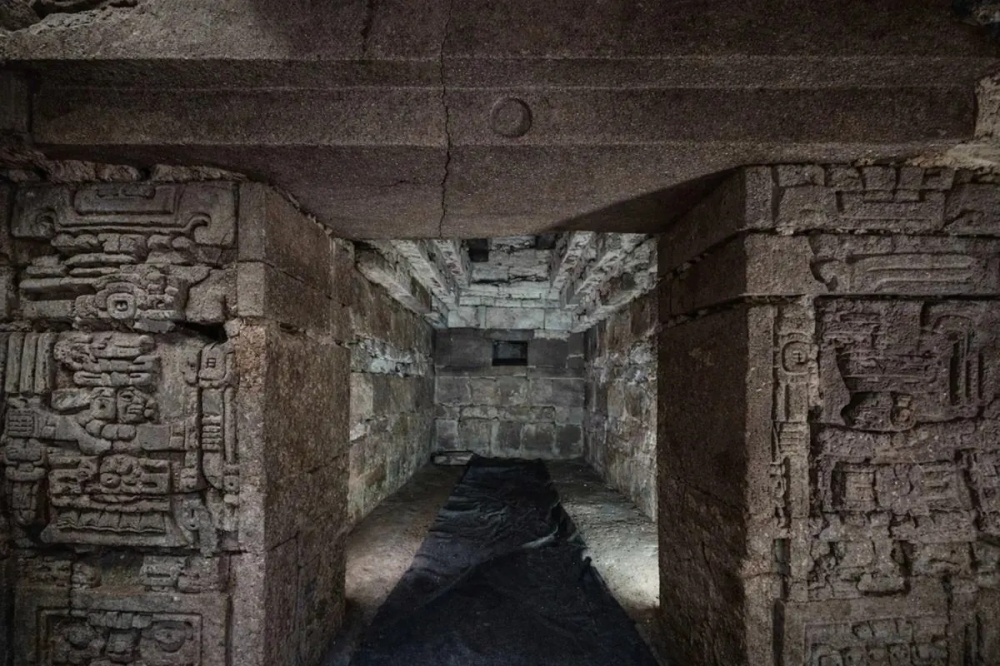
Stone sculptures and murals represent power and death. On the walls of the burial chamber, a procession of people painted in shades of ochre, white, green, red and blue can be seen.
Culture Minister Claudia Curiel spoke of an "extraordinary discovery" because the tomb is well preserved and reveals a great deal of information about Zapotec culture.
It offers, she said, insights into "their social organisation, their burial rituals and their world view, which have been preserved in the architecture and murals".
The Zapotec civilisation reached its peak between 300 and 900 in southern Mexico. Its capital, Monte Albán, which had a population of around 35,000 at its height, was added to the Unesco World Heritage List in 1987. — dpa
Oman Observer is now on the WhatsApp channel. Click here