Musact- The Yango Group announced new insights from across its services in the Middle East and North Africa, highlighting how people across the region used mobility, entertainment, artificial intelligence, and AI-powered technologies in their day-to-day lives throughout 2025.
Drawing on aggregated data, the overview looks at everyday behaviours and usage patterns across multiple markets, reflecting a year in which millions of daily moments — from morning commutes and evening streaming to smart speaker queries — came together to reveal how digital services are increasingly woven into routines across MENA.
The insights below reflect aggregated and anonymised data from across Yango Group’s services, capturing how these technologies were used across the region throughout 2025:
Mobility
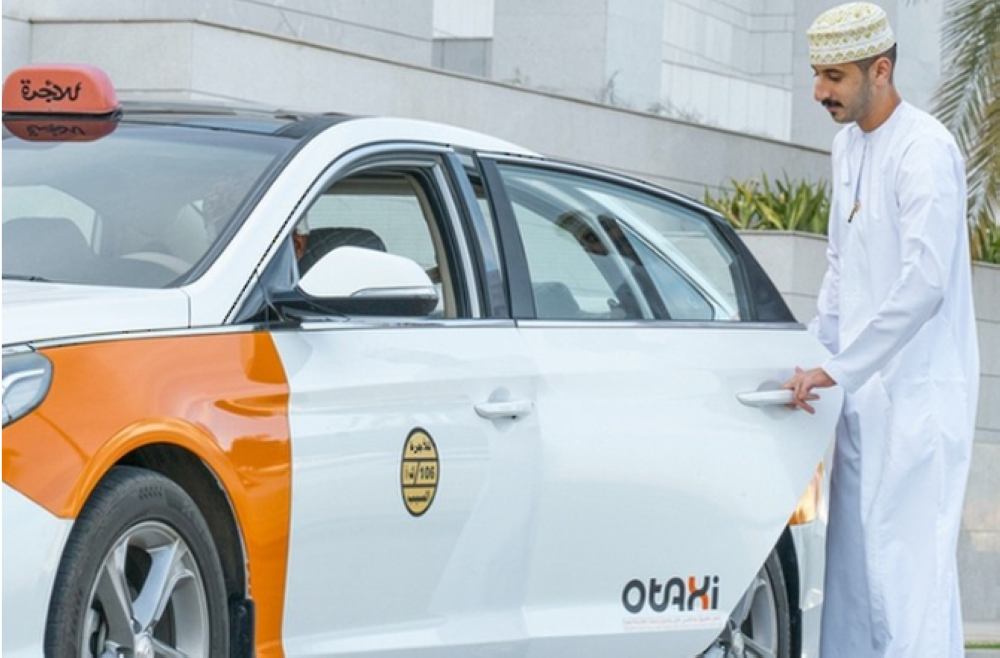
Yango Ride’s urban mobility data from 2025 shows that convenience and reliability continue to define how people move across MENA cities, rather than premium experiences.
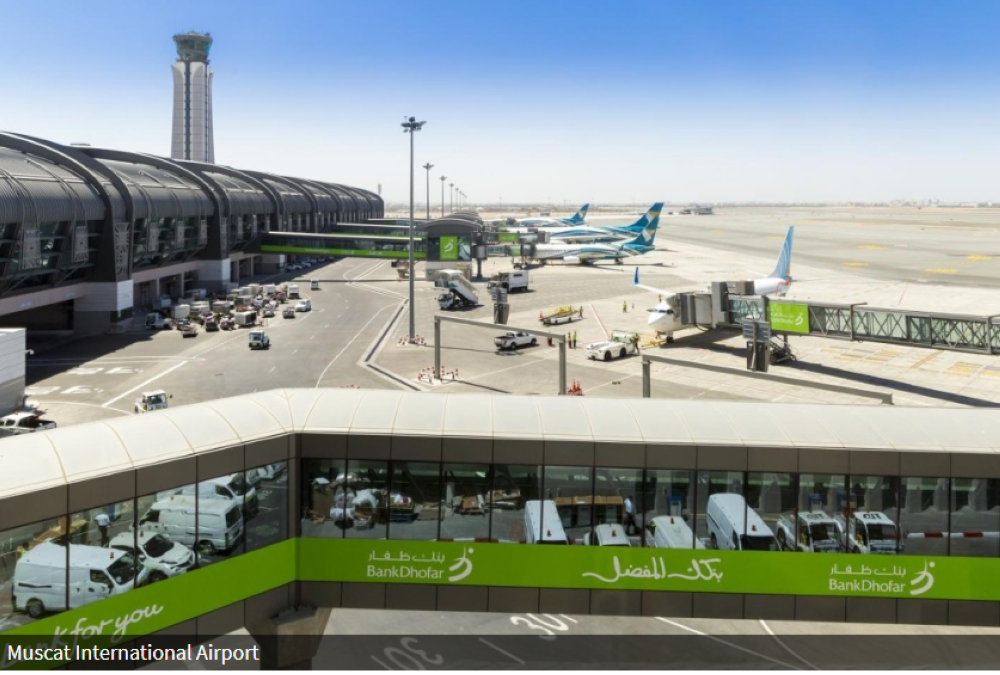
In Oman, destinations within the Muscat Governorate dominated customer demand, with frequent trips centred around Muscat International Airport as well as major commercial hubs such as Mall of Oman and Oman Avenues Mall, particularly in Al Seeb and Bausher wilayats.
The prominence of these locations highlights how ride-hailing is used not only for long-distance or travel-related journeys but also as a practical solution for everyday retail and leisure mobility.
At the same time, customers across the MENA region overwhelmingly favoured economy car options over premium categories. Mid-size sedans, particularly models like the Toyota Camry, emerged as the most frequently used vehicles — reflecting a preference for practical comfort, predictable pricing, and availability rather than status or luxury.
Arrival times further reinforced this shift toward everyday dependability. In Muscat, average pickup times remained around three minutes throughout the year.
Smart Devices
Arabic emerged as the leading language, with 60% of users interacting primarily in Arabic, followed by 28% using English-only mode and 12% preferring bilingual usage.
Arabic-language interactions were dominated by general conversation, accounting for 45% of usage, followed by content playback at 22%, and religious features representing 7% of interactions. In English, general conversation accounted for 34% of interactions, content playback for 32%, and time-management tasks such as alarms, timers, and reminders for 8.
Navigation
Yango Maps users navigated a total distance of 2.8 million kilometers across the region, representing an increase of approximately 25% compared to 2024.
Engagement with the platform also intensified as users built more than 29 million routes, highlighting its role in both routine commuting and longer journeys. Search activity surged throughout the year, with over 235 million search queries processed in 2025, marking a 38% increase year-on-year. These trends point to rising demand for real-time, accurate navigation and location-based services across diverse urban environments.