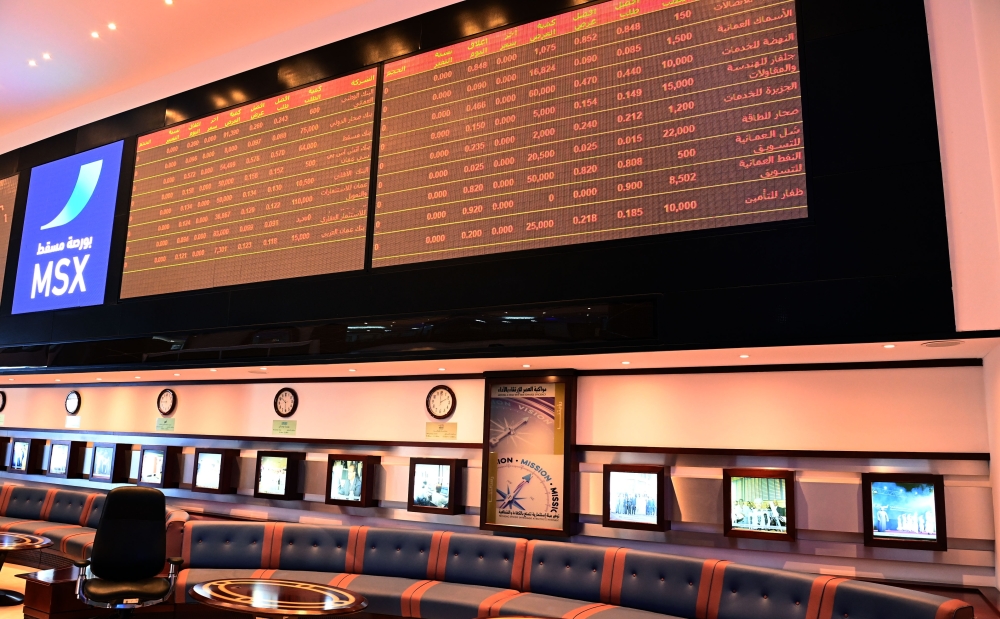
In early 2026, Oman has a more positive macroeconomic position for the first time in a while: better public finances, improving credit ratings and a diversification strategy that is starting to be more pronounced in policy and investment priorities. The primary narrative for 2026 is moderate, broad-based growth, with non-oil sectors driving growth. This is likely to be due to continued fiscal discipline and controlled spending aimed at sustaining diversification, while the primary global oil prices and demand remain the key unknowns.
GROWTH OUTLOOK
Most forecasts point to mid-single-digit, or high 2% growth, depending on the assumptions regarding oil output and the rate of expansion of the non-oil sector. According to the IMF country page, Oman’s 2026 projected real GDP growth is 2.9%, with projected inflation of 0.9%, indicating price stability. At the same time, Oman’s planning authorities indicated a range: the Ministry of Finance’s 2020-2025 performance report cites IMF projections of 4% growth by 2026, while the Ministry of Economy’s projection is 2.6%.
These disparities are due to the oil/non-oil composition and the speed of reforms impacting private sector activity. Either way, the overall direction is positive. Construction, manufacturing, logistics and services are expected to continue to play a leading role, especially with respect to the priorities of Oman Vision 2040.
DISCIPLINED FISCAL POLICY
Oman’s State Budget 2026 indicates that the government is still prioritising fiscal sustainability after years of consolidation, while allowing some room for targeted developmental expenditures.
According to official budget reports, revenue stands above RO 11.4 billion, primarily due to increased net oil revenue. In external budget reports, there appears to be greater oil revenue conservatism than in previous years, indicating an attempt to lower exposure to oil-price shocks.
Investors will look for three features in 2026: (1) the continued growth of non-oil revenue, (2) the private sector response to government fiscal outlays and the corresponding job growth; and (3) sustained positive trends in debt level, which is critical for the average rating and the cost of borrowing.
CONFIDENCE RATINGS
Oman's positive trajectory in credit rating upgrades will be a positive factor in 2026. In December 2025, Fitch Ratings upgraded Oman's credit to BBB- with a stable outlook, which is a positive sign for investor confidence and will likely lower the cost of financing in the economy. KPMG budget commentary notes that Moody's upgraded Oman’s credit to Baa3 with a stable outlook in July 2025 and S&P reaffirmed Oman’s credit to BBB- with a stable outlook in 2025. (KPMG) These upgrades reflect, in general, an improved fiscal position, a decline in risk exposure, and improved articulation of medium-term policy objectives.
REFORM AGENDA
The business environment in 2026 will likely be influenced by two policy changes. First, Oman has approved a plan to build an international financial centre with separate regulatory and administrative frameworks. This is part of Oman's investments to deepen the financial sector.
Second, there is a January 2026 planned restriction concerning labour market policies. There is a report on the “Omanisation” of the labour market, which means restrictions on expatriates for a number of positions. This, in case it is implemented seamlessly, will generate an increase in domestic employment. In case there is insufficient staffing in some service sectors, it may lead to short-term employment disruptions.
BOTTOM-LINE FOR 2026
Steady growth and improving resilience are the best words to describe Oman's outlook for 2026. The upside potential is attributable to the diversification of the economy and investor confidence which is macro level attributed to the rating stabilisation and the access to the financial markets. Institutional frameworks diversifying access to the capital markets may also be a potential upside. The challenges remain the same, capturing the volatility of the oil market, uncertainty related to macroeconomic growth and the difficulty of capturing value from the structural changes which is reflected in the productivity of the private sector and the levels of employment.
Oman Observer is now on the WhatsApp channel. Click here