




There has been an increase in the rate of reported unruly air passenger incidents, according to the International Air Transport Association's (IATA) statistics.
Based on over 24,500 incident reports from over 50 operators globally, there was one incident for every 480 flights in 2023 versus one incident for every 568 flights in 2022. At the same time, it was only one incident per 835 flights in 2021.
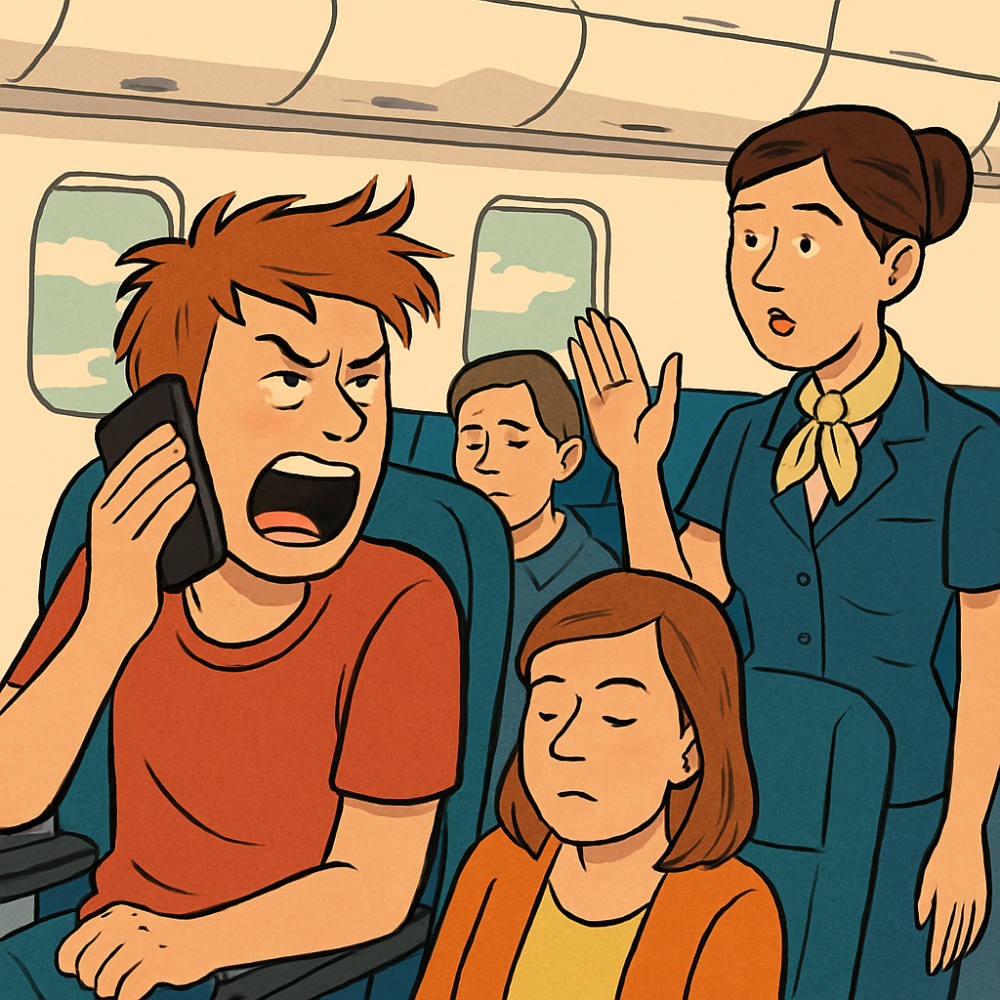
Airlines and governments remain concerned about the frequency and severity of unruly and disruptive passenger incidents on board aircraft, according to IATA."These incidents include violence against crew and other passengers, harassment, verbal abuse, smoking, failure to follow safety and public health instructions, and other forms of riotous behavior.
Although such acts are committed by a minority of passengers, they have a disproportionate impact. They create inconvenience, may threaten the health, safety, and security of other passengers and crew, and can lead to significant operational disruption and costs for airlines," the report said.
Non-compliance with crew instruction was the most frequent descriptor. The number of reports mentioning verbal and physically abusive behaviors also increased in 2023.
Addressing the issue of unruly and disruptive behavior on flights requires a two-pillar approach focusing on enhancing the international legal deterrent and better prevention and management of incidents, IATA said.
The main issue is that the State where an aircraft is registered has jurisdiction over offenses committed onboard. This causes problems at overseas airports, where local police may not have jurisdiction to deal with incidents that occur onboard foreign-registered aircraft.
This means unruly passengers are often released without charge, which encourages a culture of impunity.
Besides, even in cases where jurisdiction is not an issue, there is often a reluctance to pursue criminal prosecutions against unruly passengers, especially for offenses and acts that are considered less serious.
This can be addressed if police or aviation security officers have the power to issue administrative infringement notices “on the spot”, under a civil penalty regime. The deterrence element is reintroduced if a person receives a fine for misconduct (specific deterrence), and these fines can be generally publicized (general deterrence) by the government, airports, and airlines.
When an infringement notice is issued, the person receiving the notice can either pay the fine or contest it if they wish.
The payment of the fine would usually be determinative, and a criminal record would not be entered. While not appropriate for all unruly incidents, IATA commends consideration of such a system as one tool for police to have when responding to disruptive behavior upon landing.
Unruly behaviorThe pattern includes smoking of cigarettes, e-cigarettes, vapes and puff devices in the cabin or lavatories lavatory, fasten seat belts, cabin baggage (Exceeding the carry-on baggage allowance or failing to store it when required) and consuming own alcohol, non-compliance with crew instructions that are mandated by national law or regulations can have safety, implications – for example, smoking in the lavatory is a dangerous fire hazard while consuming alcohol that is not served onboard and becoming intoxicated, can also have implications for the timely evacuation of the aircraft in an emergency."Many of these incidents may have been de-escalated to a satisfactory conclusion by the crew using their training, but were still reported."
Level 1 incidents.
These incidents are classified as Level 1, which are verbal in nature and can generally be characterized as anti-social behavior. This would include being non-compliant with face coverings (where required) or failure to wear a seatbelt.
Most of these cases can be brought to a satisfactory conclusion by cabin crew using de-escalation techniques and training. That is not to trivialize these incidents, because there is always a danger of incidents escalating, they divert crew attention, and they do impact good order and discipline onboard.
Similarly, where someone is intoxicated, but is not being unruly or disruptive, this is also likely to be classified as a Level 1 incident.
It is important to note that any passenger on board a flight who is intoxicated either through alcohol, narcotics, or medication is a safety risk, both to themselves and everyone else on the aircraft.
Oman Observer is now on the WhatsApp channel. Click here