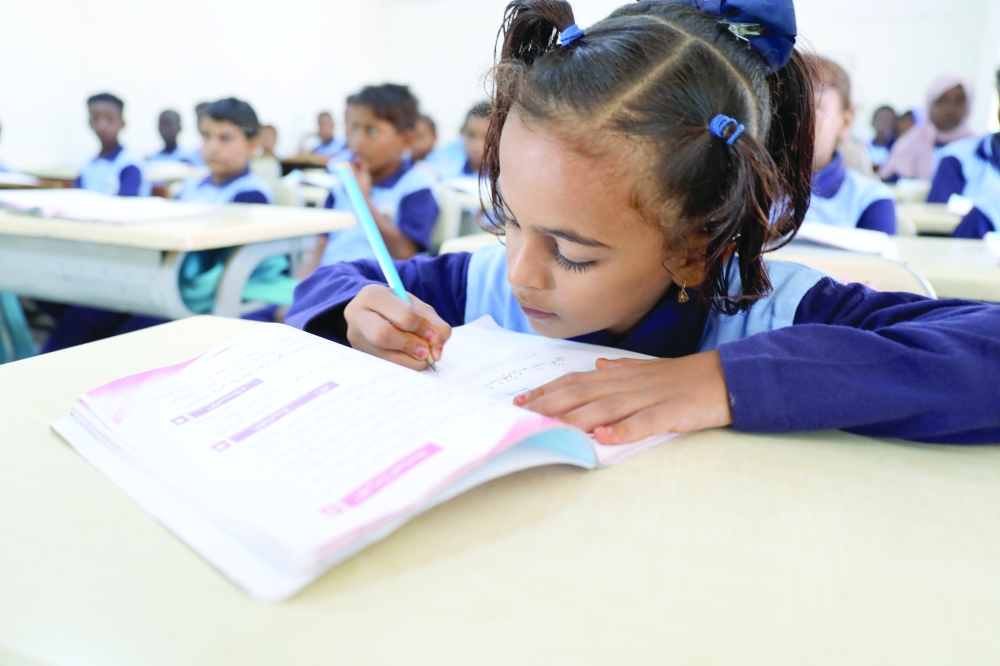





Across the Arab world, conflict, displacement, and economic instability have disrupted the education of millions of children and young people. In this challenging context, the Education Above All (EAA) Foundation is stepping in with flexible learning models and innovative strategies to ensure that education not only survives, but also continues to provide pathways for future livelihoods.
EAA Foundation has emerged as a global development organisation dedicated to safeguarding the right to education for children and youth affected by poverty, conflict, and emergencies.
Its focus goes beyond access: it aims to guarantee the continuity, quality, and long-term relevance of learning, even in contexts where traditional schooling is interrupted.
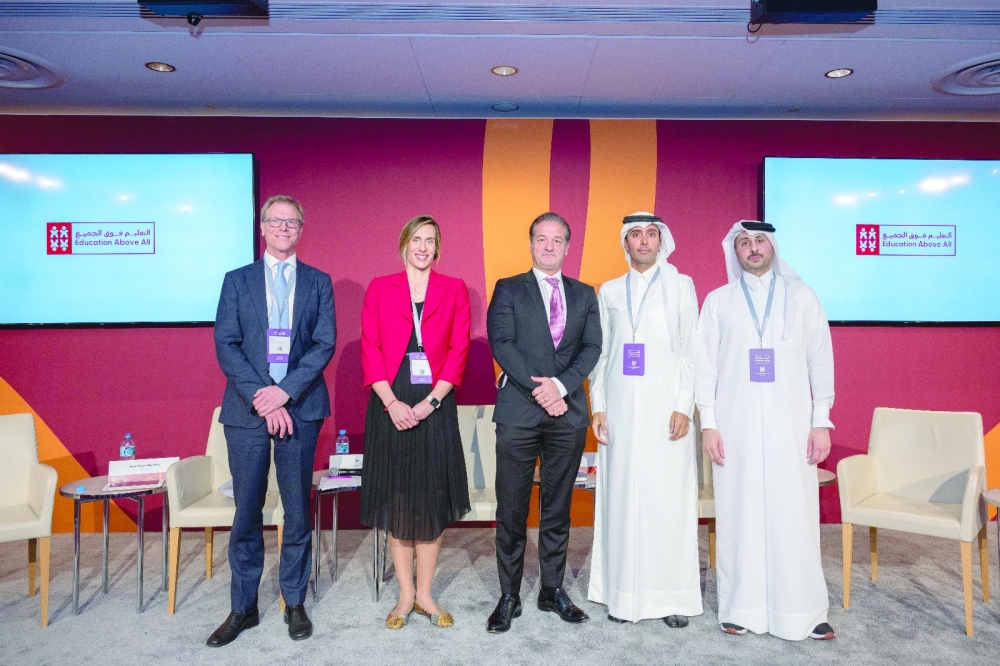
“Meaningful access to education is not simply about whether a child is enrolled in school,” says Ali Turki Al Sobai, Chief Operations Officer of EAA Foundation. “It is about whether children and young people are actually able to continue learning safely, consistently, and with quality - especially when traditional education systems are disrupted by conflict or displacement.”
In countries affected by wars and instability, millions of children have been forced out of classrooms. The EAA Foundation has responded by prioritising flexible and alternative learning approaches designed specifically for disrupted environments. “Protecting access often means rethinking how education is delivered,” Al Sobai explains. “This includes supporting non-formal and alternative learning pathways, using flexible delivery models when schools are closed, and ensuring learning can continue even when infrastructure or connectivity is unstable.”
The Education Above All Foundation also places strong emphasis on linking learning to livelihoods, in alignment with UN Sustainable Development Goals 4 and 8, which focus on quality education and decent work. “Education must respond to real economic and social realities,” says Al Sobai. “That means promoting learning pathways that build relevant skills, support youth participation in local and regional economies, and enable young people to contribute productively to their communities.”
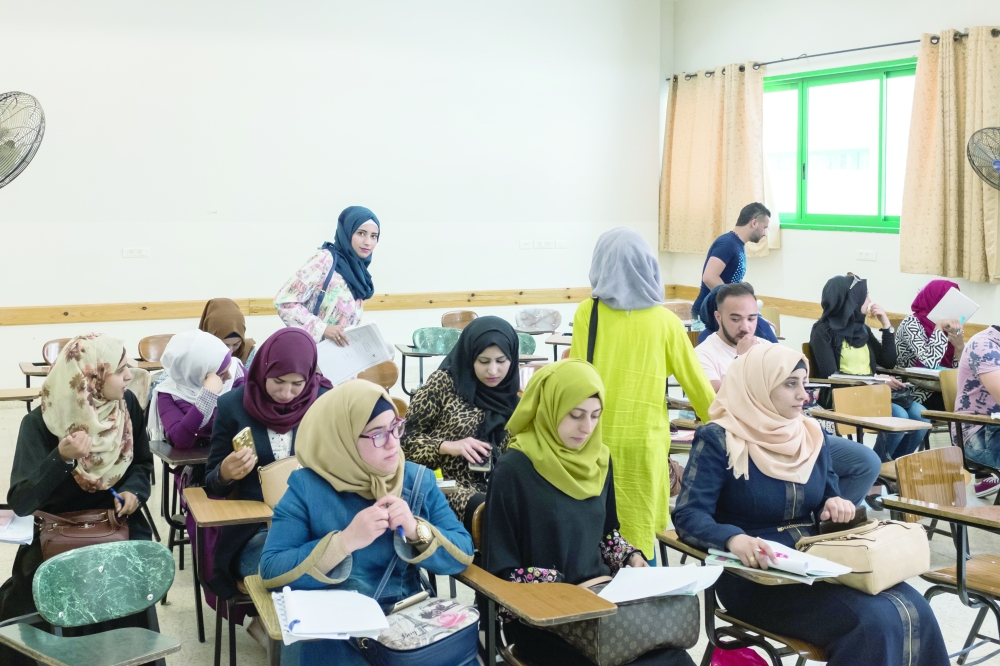
The impact has been substantial. According to the EAA Foundation, more than 14.5 million out-of-school children have been supported to return to formal education, while over 5 million young people have benefited from programmes aimed at economic empowerment. These initiatives include higher education support, Technical and Vocational Education and Training (TVET), and programmes connecting young people directly with labour markets. “By aligning education outcomes with employability and entrepreneurship, we reinforce education as a driver of dignity, inclusive growth, and sustainable development,” notes Al Sobai.
Regional collaboration is central to this work, particularly the involvement of Arabian Gulf countries. “Countries in the Gulf have a unique position,” Al Sobai observes. “They are close to the context, yet often have the stability and resources to think long term. This allows them to invest not only in emergency responses, but also in approaches that help education systems withstand repeated shocks and recover over time.”
Collaboration across borders is equally essential. “Education challenges linked to conflict - such as displacement, interrupted schooling, and limited opportunities for youth - do not stop at national borders. When countries in the region work together, they can share learning, support scalable solutions, and avoid fragmented responses.”
Innovation has become central to safeguarding learning in prolonged crises. Hybrid learning models that combine in-person, low-tech, and digital components allow education to continue even as conditions change. Audio lessons, offline digital tools, and modular curricula that learners can enter and exit at different points have proven particularly effective.
Community-based approaches are also vital. “Learning often happens outside formal classrooms during emergencies,” Al Sobai points out, highlighting the importance of caregiver- and community-led models. At the same time, measuring long-term impact remains a priority, especially for children whose education has been disrupted for years. Pilots and proof-of-concept projects are intentionally designed to generate evidence to understand what works in different contexts, refine models, inform scaling decisions, and support governments with realistic solutions.
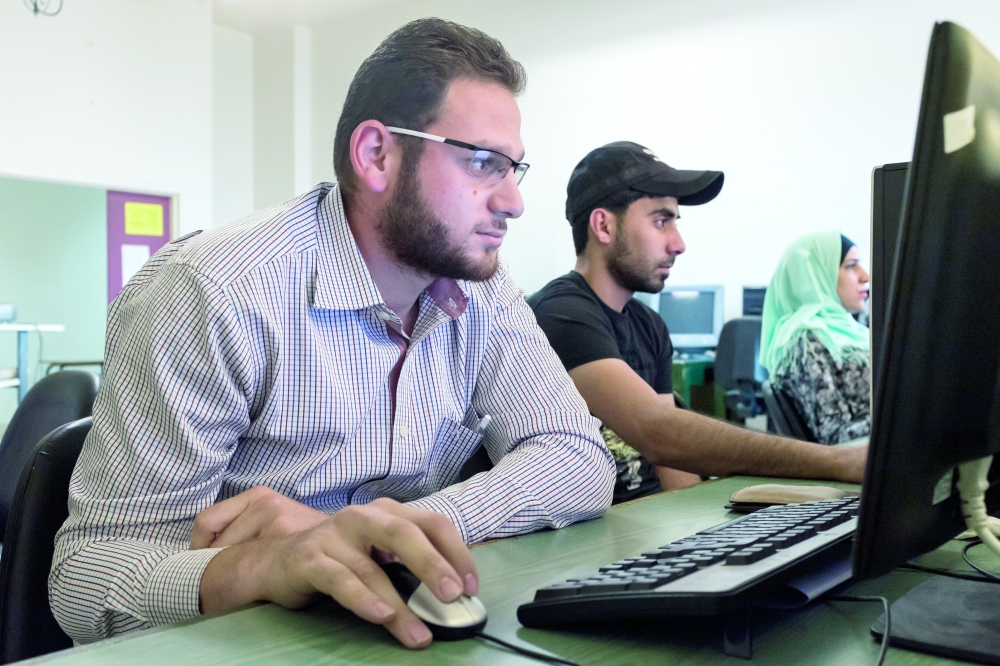
In active conflict zones such as Gaza, Yemen, Sudan, and Syria, the EAA Foundation also works to protect education under international law. “We focus on strengthening global governance, law, and policy to protect education in armed conflict,” Al Sobai explains. “We emphasise international humanitarian law to safeguard civilians engaged in learning - children, students, teachers - and to protect educational institutions.”
When schools are damaged or unsafe, continuity of learning cannot be separated from wellbeing. “During armed conflict, the priority must be the safety and psychosocial wellbeing of children,” Al Sobai stresses. “They require specialist interventions to address trauma, particularly in extreme situations such as Gaza and Sudan.”
In partnership with Unesco, EAA Foundation has developed education planning solutions that support faster recovery and reduce learning gaps once conflicts subside.
Through sustained advocacy, innovation, and regional collaboration, Education Above All Foundation positions education not merely as a service to be restored after crisis - but as a lifeline that must be protected, adapted, and sustained, even in the most fragile circumstances.
EOM
Oman Observer is now on the WhatsApp channel. Click here