Every year, I read the World Economic Forum Global Risks Report as if it were a weather map for the next decade. Coffee in hand, I skim the rankings, then I reread the parts that make the page feel heavier. In 2026, extreme weather still tops the ten-year horizon. What catches me is the neighbourhood it sits in: misinformation and disinformation and cyber insecurity, risks that do not merely coexist, they multiply each other. I used to treat it as an annual exercise in anxiety. Now I read it to notice what changes, before it becomes expensive, before it becomes unavoidable.
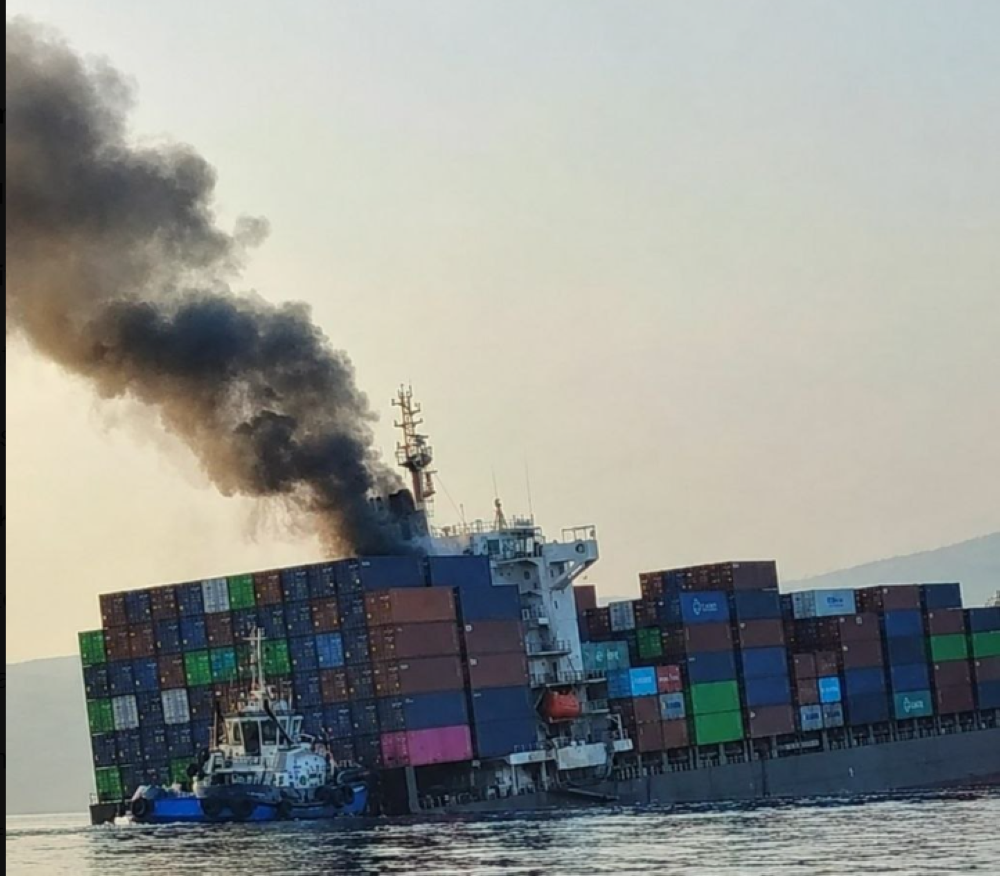
This is how shocks become expensive. A storm is never only a storm. It swells electricity demand, strains water systems, delays transport, and drags public services into triage. Then information disorder arrives, speeding up certainty and slowing down trust. Add cyber disruption and the weak points line up. Compounding risk changes the bill, and it changes who receives it.
Insurance is where the spreadsheet becomes personal. Markets translate volatility into premiums, deductibles, exclusions, and terms. When coverage narrows, risk does not disappear. It moves. It moves into a family deciding whether to repair now or later. It moves into a small business that cannot afford downtime. It moves into a ministry budget that suddenly contains a new category called recovery.
The Gulf saw that movement clearly in April 2024. Reports estimated insured losses from the floods at roughly $2.9 billion to $3.4 billion, while total losses were far higher, and that difference is the protection gap in plain clothes. It is savings drained, loans extended, projects delayed, and public funds diverted. Other reports also note that reinsurers no longer treat the Gulf as a low catastrophe region, and that pricing is increasingly driven by forward looking models rather than by historical experience alone.
This month, Oman responded in a way that feels like a policy sentence with a hidden thesis. A few days ago, the Financial Services Authority approved automatic natural disaster and climatic event cover for motor insurance, including compulsory third party policies. In other words, what used to be optional has been folded into the baseline. Climate volatility has entered the definition of normal, and the cost of protection is being shared more widely across the market.
A strategic choice sits underneath this. If insurability is shifting, then it belongs in the room early, while we are still drawing the lines. Urban planning, building codes, drainage standards, and maintenance regimes all write the loss curve that insurers eventually price. Data does too. Flood maps, asset registers, and disclosure practices determine whether pricing feels legible or arbitrary. Weak signals invite sudden repricing. Strong signals attract capital with fewer surprises.
The agency looks like anticipating that adjustment. It looks like building standards that reduce losses, and regulatory clarity that reduces uncertainty. It looks like treating risk finance as part of competitiveness, protecting households from surprise cost migration, protecting firms from repeated shocks, and protecting public budgets from becoming the insurer of last resort by default. It also looks like talking about insurance in rooms that usually treat it as paperwork, because paperwork is where the future arrives first.
The report will be published again next year, and extreme weather will likely stay near the top. The real question sits behind every chart: which risks remain insurable, at what price, and for whom. Markets that answer early will design differently, and that difference will show up in what gets built, what gets financed, and what survives the next season.
Rumaitha al Busaidi
The writer is an environmental strategist advancing Middle East climate action and women’s leadership.
Follow her on LinkedIn @rumaithaalbusaidi
Oman Observer is now on the WhatsApp channel. Click here