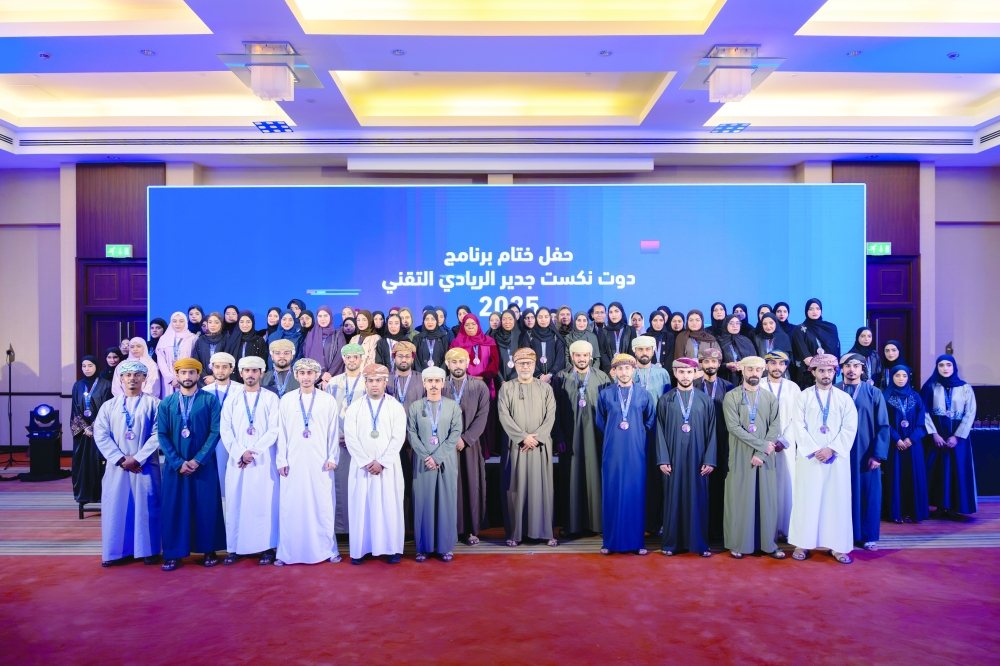





When DotNext launched the Jadeer Programme in 2025, the ambition was clear: to identify raw ideas from across Omani society and transform them into solutions aligned with Oman Vision 2040. By the time the programme concluded in December, Jadeer had become a national platform for social mobility, digital inclusion and community-led entrepreneurship.
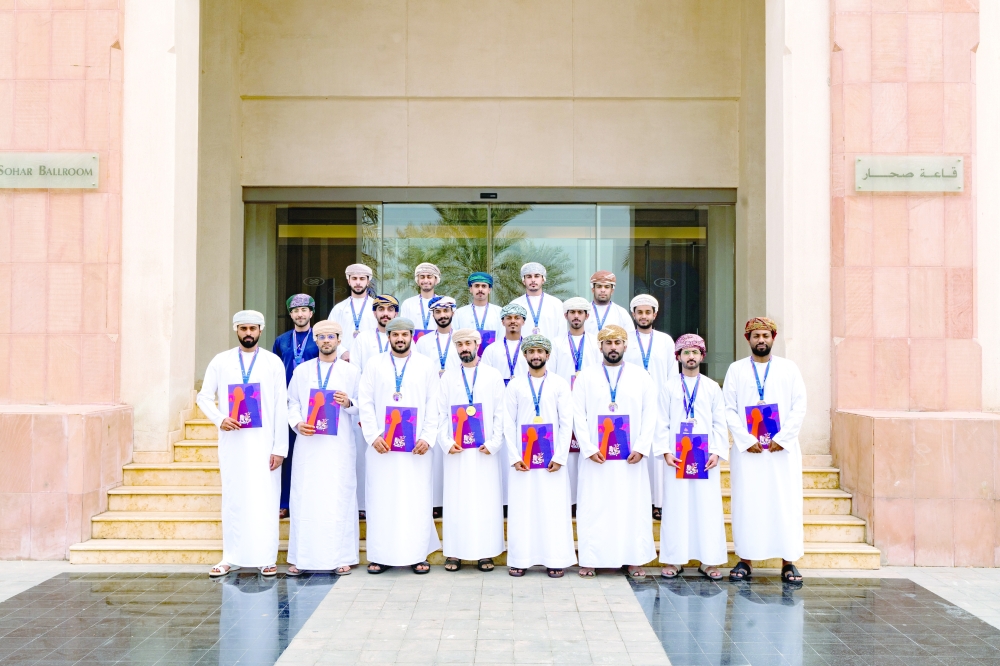
Attracting nearly 1,800 participants from varied backgrounds — including students, job seekers, professionals, homemakers and individuals affected by layoffs — Jadeer unfolded over three progressive stages, combining structured learning and mentorship. The bootcamp activities were hosted in Suhar and the programme focused on moving participants from concept to execution, with a sharp emphasis on real-world impact.
The first stage was intentionally broad and accessible, introducing participants to innovation fundamentals and early-stage ideation. The second phase had intensifying coursework through multiple learning tracks and subjecting ideas to feasibility testing and evaluation.
From this competitive phase, only the strongest concepts progressed — among them, a digital savings platform conceived by Information Technology specialist Maram al Hadi, whose idea ranked among the programme’s top 30.
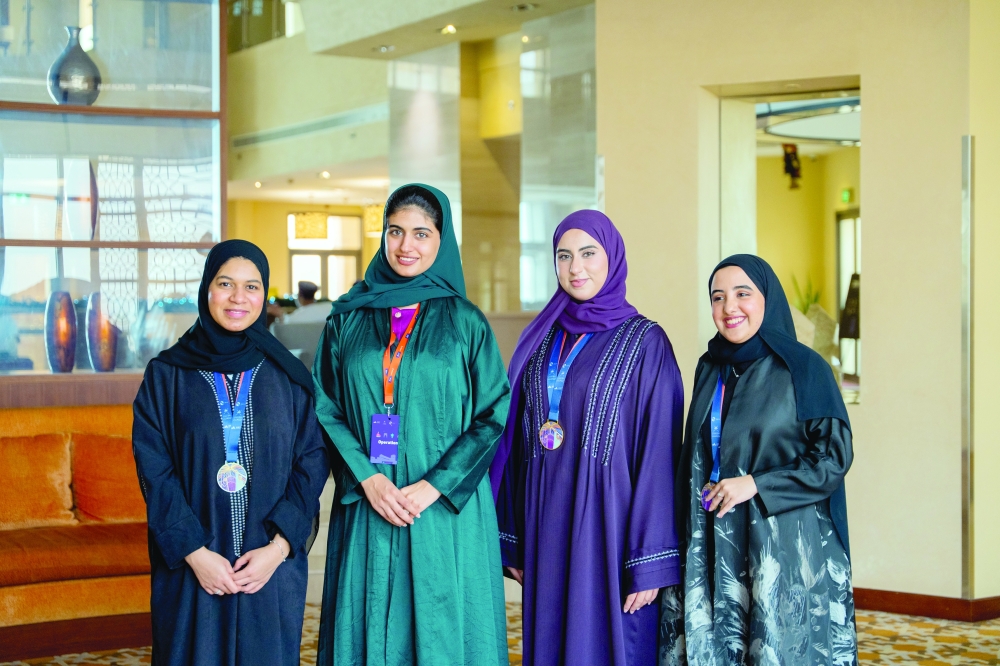
“The real value of Jadeer was that it forced us to move beyond theory”, Maram said. “It pushed us to focus on impact, structure and execution. That shift completely reshaped how I approached the idea”.
Advancing to the bootcamp stage, Maram carefully assembled a focused team after conducting interviews, selecting Sara al Balushi and Shams al Balushi to complement the project’s technical, marketing and regulatory needs. The result was ‘Khaznah’, a digital platform designed to modernise traditional group savings practices, known locally as Jam’iya, through transparent and legally structured systems.
Named after the Arabic word for ‘treasury’ or ‘vault’, Khaznah aims to formalise an informal yet widespread financial practice. “The name reflects trust, protection and responsibility — values that are essential when people’s money is involved”, Maram explained.
Khaznah is designed specifically for individuals with irregular or unstable income, a segment often excluded from formal financial systems. The platform introduces accountability measures, including the option of a guarantor, while maintaining flexibility for users.
“Traditional Jam’iya systems are deeply rooted in our culture but remain undocumented”, Maram said. “That lack of structure creates long-term risk. Khaznah was built to preserve the cultural practice while making it secure, transparent and legally sound”. While Maram led the technical development — personally designing and building the initial website prototype — Sara, who specialises in Environmental Engineering, drove the marketing and social engagement strategy.
“What stood out about Khaznah was its social relevance”, Sara said. “It’s not just about finance; it’s about inclusion, trust and empowering people who are often overlooked. Jadeer gave us the tools to frame that value clearly and communicate it effectively”. Throughout the programme, teams faced mounting pressure and tight deadlines.
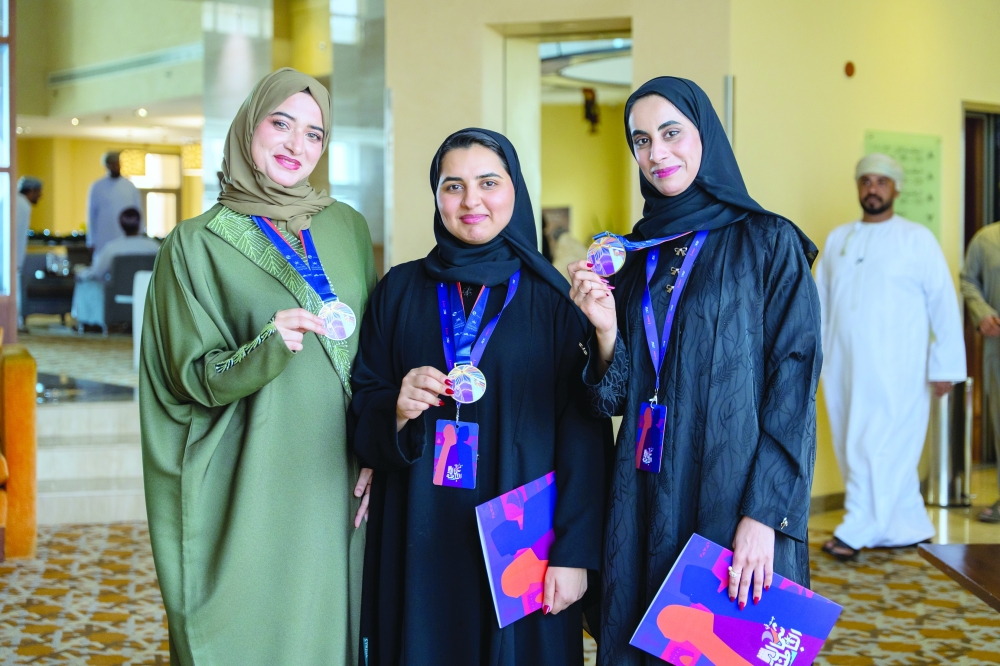
Communication gaps and performance challenges tested leadership and resilience, particularly during the bootcamp phase. Yet Khaznah continued to progress, reflecting both the strength of the concept and disciplined execution.
Beyond Khaznah, Jadeer’s broader impact was visible across participating teams. Rinal al Busaidy, a fresh graduate in animation from the Scientific College of Design, entered the programme as a student entrepreneur and later joined another team during the bootcamp phase.
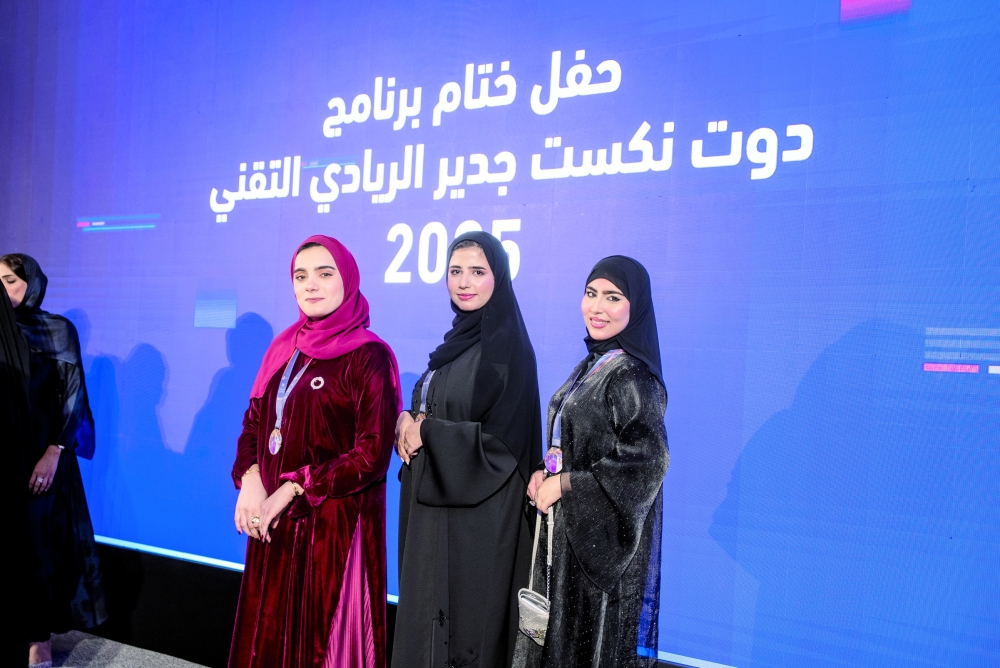
“Even when my initial idea didn’t pass the filtration stage, Jadeer taught me that failure is part of the process”, Rinal said. “The programme helped me transition from theory to practice and prepared me for real collaborative work in fast-paced environments”.
For Maram, Jadeer also became a catalyst for personal growth, prompting her to complete more than ten professional certifications alongside the programme. “Jadeer showed me that innovation isn’t just about creativity”, she said. “It’s about persistence, leadership and the ability to deliver under pressure”.
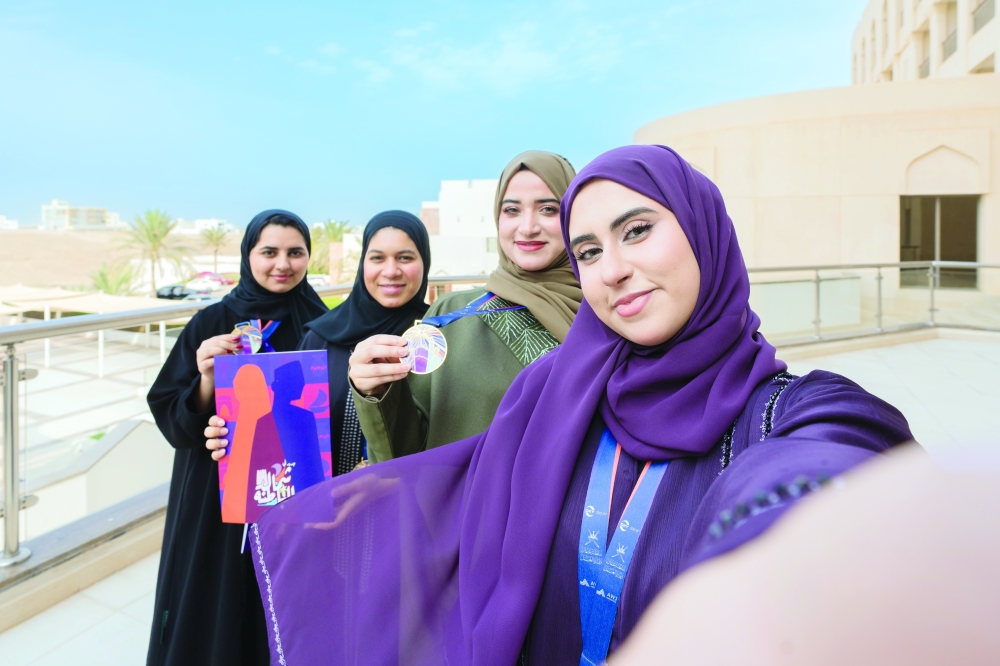
Ghadeer al Ajmi says the programme has been an invaluable launchpad for their entrepreneurial journey. As a Process Engineering graduate and co-founder of FoodTurs, a digital platform for intelligent food safety management, Jadeer helped bridge the gap between technical expertise and market-ready solutions.
The Suhar technical bootcamp allowed the team to stress-test their business model, build a scalable financial framework and deliver a polished investor pitch — transforming FoodTurs from a prototype into a fund-ready venture.
Complemented by edX certifications and interactive sessions with experts in entrepreneurship and leadership, the programme equipped them with the skills to refine their concept, validate their value proposition and position FoodTurs competitively in the market.

Oman Observer is now on the WhatsApp channel. Click here