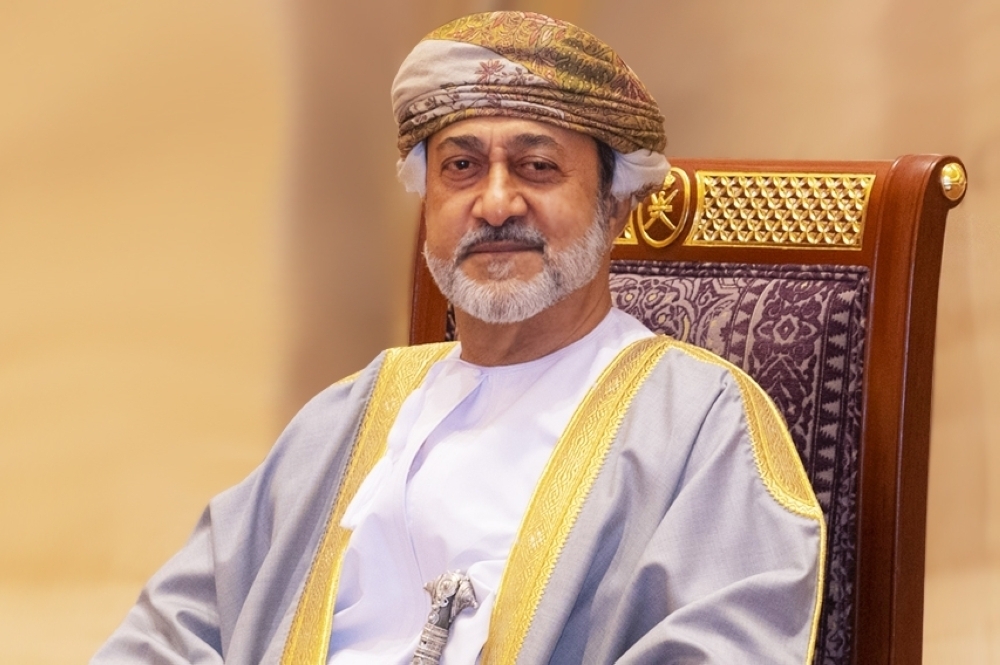





Muscat: Royal directives issued by His Majesty Sultan Haitham bin Tarik have introduced amendments to income thresholds and benefit levels under a number of social protection schemes, as part of efforts to enhance fairness and ensure support reaches the most eligible groups.
Under the amendments, the monthly Senior Citizens Scheme benefit of RO 115 will continue to be disbursed to beneficiaries aged 60 and above whose monthly income does not exceed RO 1,020.
For beneficiaries whose monthly income exceeds RO 1,020 but is less than RO 1,250, the benefit will be progressively reduced, while individuals whose income reaches RO 1,250 or more will no longer be eligible for the scheme.
The Royal directives also stipulate that child support payments and children’s shares from pensions will not be included when calculating household income for widows and divorcees under the Household Income Support Scheme.
In addition, the calculation of equivalent income based on work capability has been abolished for selected categories, including unmarried women aged 40 and above, divorced women with children aged 40 and above, divorced women without custody of children, and widows without children. The maximum monthly benefit for these cases has been set at RO 115, instead of RO 80.
The directives further include recognising daughters and divorced women aged 31 to 39 who have lost their fathers as independent families for eligibility purposes, and expanding eligibility for death pensions to include parents, or grandparents in their absence, when no spouse or children are entitled.
Oman Observer is now on the WhatsApp channel. Click here