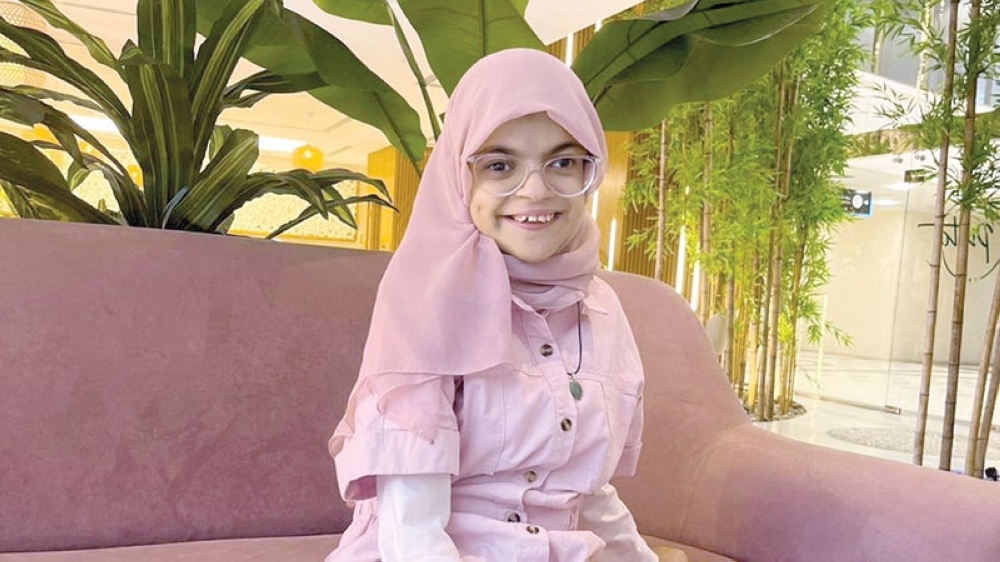





When Saba al Rashdi first picked up a pencil, it was not ambition that guided her hand, but instinct. She was still very young, watching the world from a seated position as other children ran past her, their laughter echoing through spaces she could not yet reach. While her sisters and neighbourhood children walked, played and raced freely, Saba moved differently, delayed by joint- and nerve-related health challenges that prevented her from walking until after the age of four. But in those quiet moments on the floor, something remarkable began to unfold. She drew.
At first, they were simple lines, circles and scattered scribbles, marks that many adults might overlook. But her father, Ahmed al Rashdi, noticed something deeper. With awareness shaped by reading and observation, he understood that children’s early drawings are not random, but emotional expressions. He began placing paper and pencils in her hands, giving her space to release what she could not yet say or do. Drawing became Saba’s movement, her voice and her way of reaching the world that felt just beyond her grasp.
As the years passed, her drawings accumulated. When Saba was six or seven, a visiting Iraqi artist stayed with the family and paused before the young girl’s artwork. What she saw was not imitation or chance, but raw potential. The lines, the shapes, the instinctive balance, Saba, she said, possessed an extraordinary ability. From that moment, her parents knew that her talent was not simply a pastime, but a path.
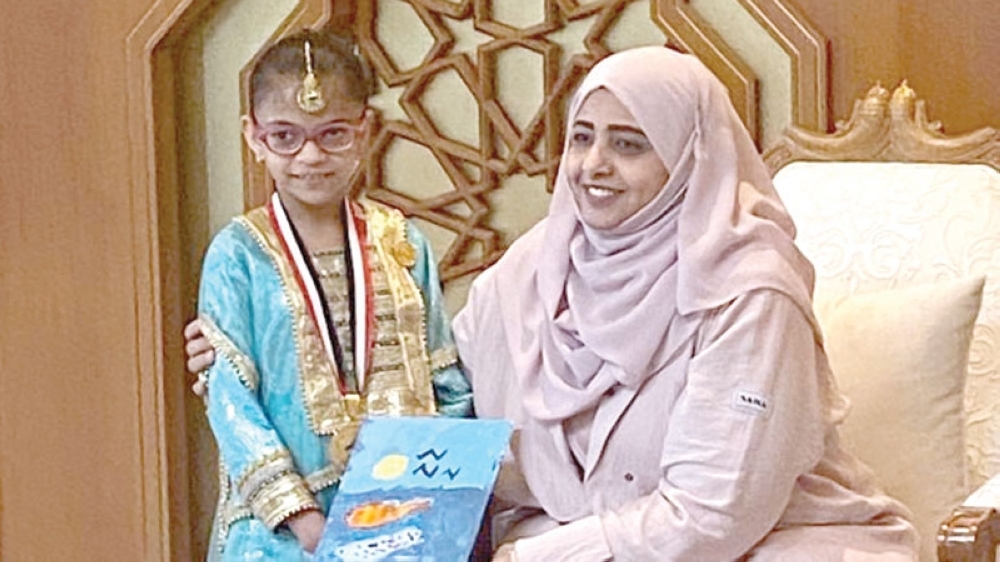
Saba’s art evolved naturally. Faces, eyes and human figures emerged, first as outlines, then as expressive forms reflecting her surroundings. She was introduced to art workshops with experienced artists who understood how to teach children gently, without forcing technique before emotion. She explored colour, texture and especially collage, cutting, layering and assembling pieces into new visual stories. Each artwork carried traces of curiosity and joy, unburdened by rules.
Yet the journey was never without challenge. Saba lives with weakness on the left side of her body, relying primarily on one hand to create. She also experienced seizures during parts of her childhood, conditions that required careful medical attention. Despite this, her father emphasises that Saba never stopped enjoying life. Art was never paused for illness. Instead, it became a source of balance, resilience and happiness.
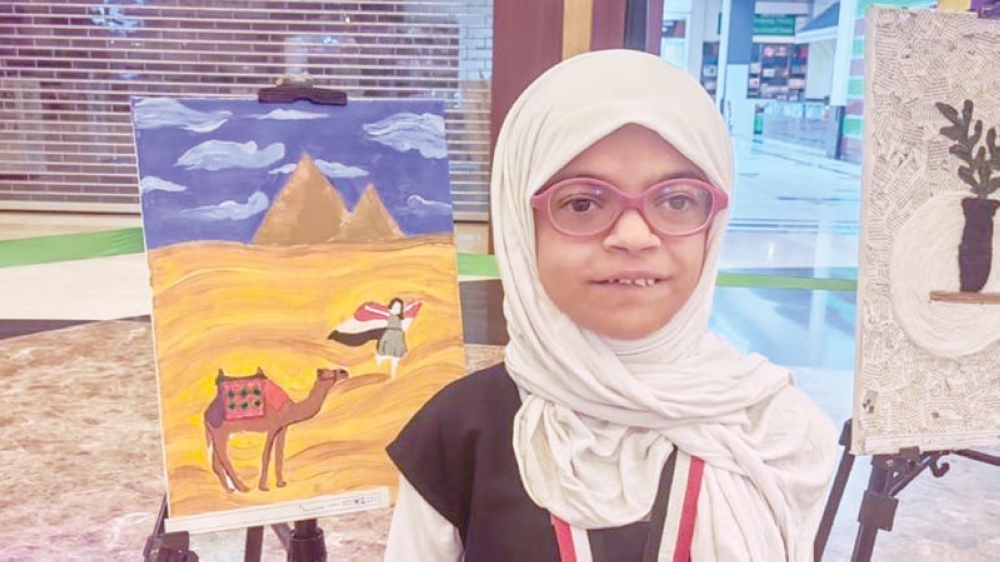
Over the past two years, her health has improved significantly and with it, her confidence. Saba is social, emotionally intelligent and deeply responsive to beauty. She loves music, songs and rhythmic sounds, tools that help her learn and engage, especially as she is classified as having a learning delay. For her, learning is not linear, but sensory, absorbed through sound, colour and emotion.
Education, however, presented one of the family’s greatest challenges. In Oman, students in special education often stop formal schooling after grade nine. Unwilling to accept this limitation, Saba’s family chose another path. Since 2025, she has continued her education through online home schooling, learning with dedicated teachers beyond the traditional system. Art remains at the centre of her studies. Alongside hand drawing, she is now learning digital art, a skill her father believes could one day become a sustainable source of income and independence.
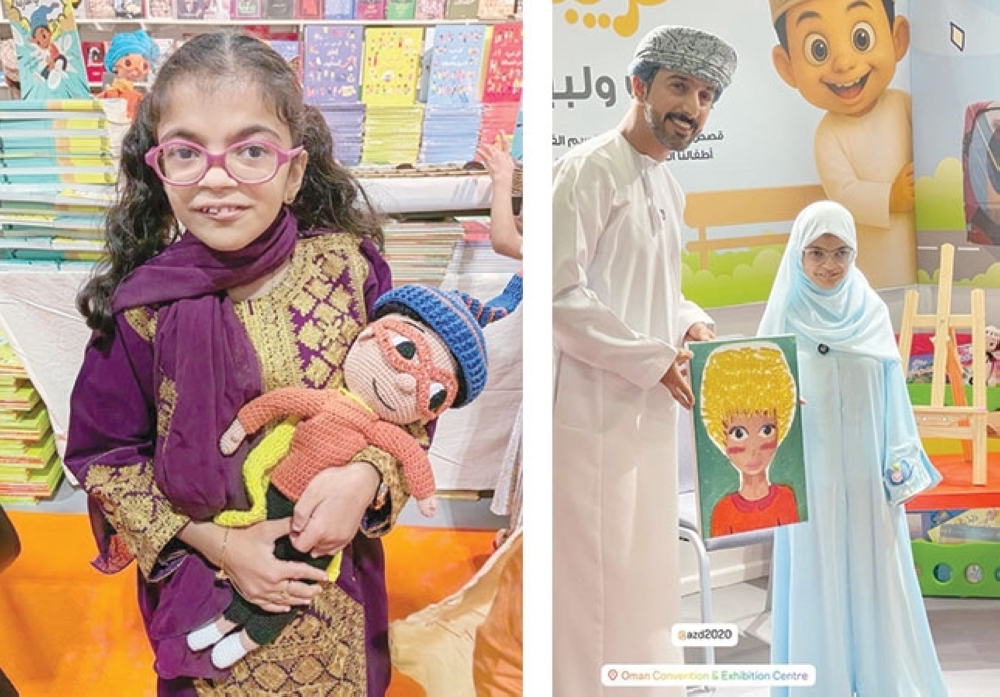
Saba’s talent has already crossed borders. She won second place in a pan-Arab children’s art competition in Egypt, with her work later featured by The Observer, bringing her unexpected recognition and support. She also participated in the Arab Reading Challenge, reading and summarising 25 books and was honoured in Dubai with a medal, an achievement that symbolised not only literacy, but determination.
To her father, Saba is more than a gifted artist. She is proof. Proof that talent is not limited by physical or cognitive differences and that with the right support, children like Saba can thrive. He hopes her journey sends a message to institutions that overlook such potential, reminding them that history’s greatest contributors often emerged from the margins.
Saba al Rashdi continues to draw, one line at a time, reshaping not only paper, but perceptions.
Oman Observer is now on the WhatsApp channel. Click here