
Wednesday, March 11, 2026 | Ramadan 21, 1447 H
clear sky
weather
OMAN
22°C / 22°C
EDITOR IN CHIEF- ABDULLAH BIN SALIM AL SHUEILI
x
Oman and Saudi aviation sectors hold the fort amid the Mideast crisis
Iran says oil blockade will continue until attacks end, Trump threatens heavier strikes
Iran demands security guarantees for a ceasefire
Brent crude tumbles after Trump says Iran war will end soon
Aramco sees 'catastrophic consequences' for oil if shipping doesn't resume
Iran vows to fight 'as long as needed' as Trump says war will end 'soon'
Woman killed in Iranian attack in Bahrain
Day 11: Latest developments on the Middle East War
Missile attacks will continue, no room for talks with US: Iran

Thousands attend annual minstrelparade in Cape Town

minus
plus

Thousands lined the streets of Cape Town on Monday for the colourful annual minstrels' parade, a cornerstone of South African culture rooted in the city's history of slavery.


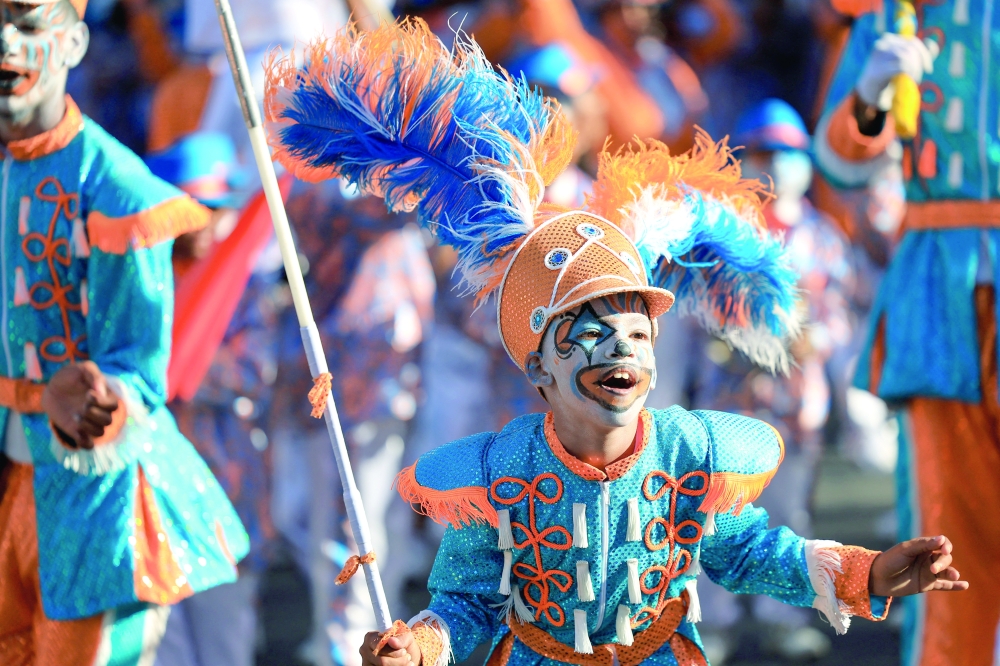
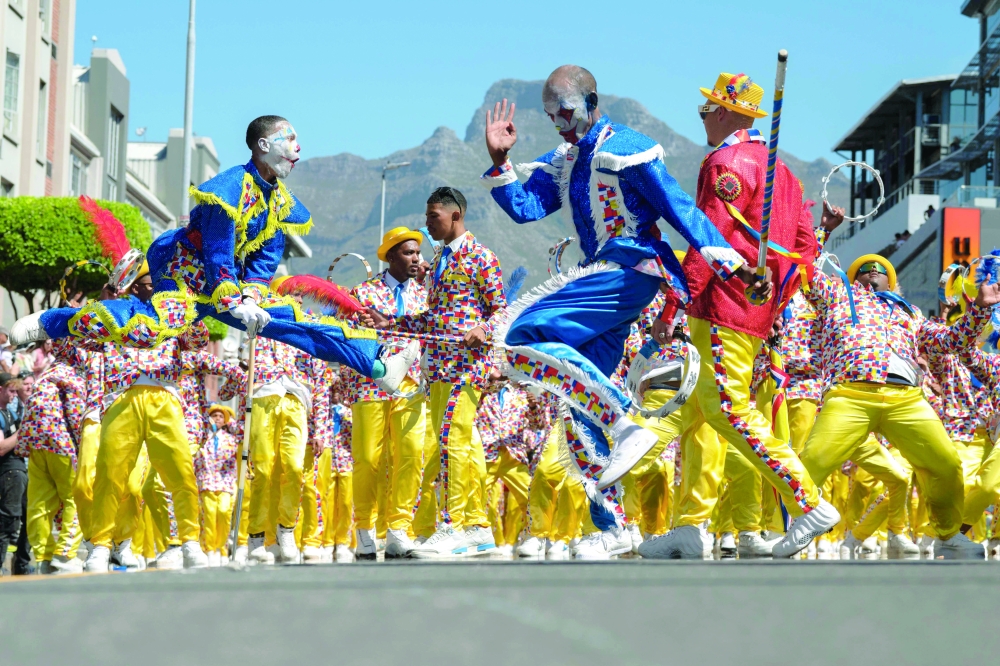
Troupes of thousands of minstrels marched and danced in bright, satin costumes, many twirling umbrellas and tossing walking sticks as they were accompanied by brass bands, traditional goema beats and strumming banjos.
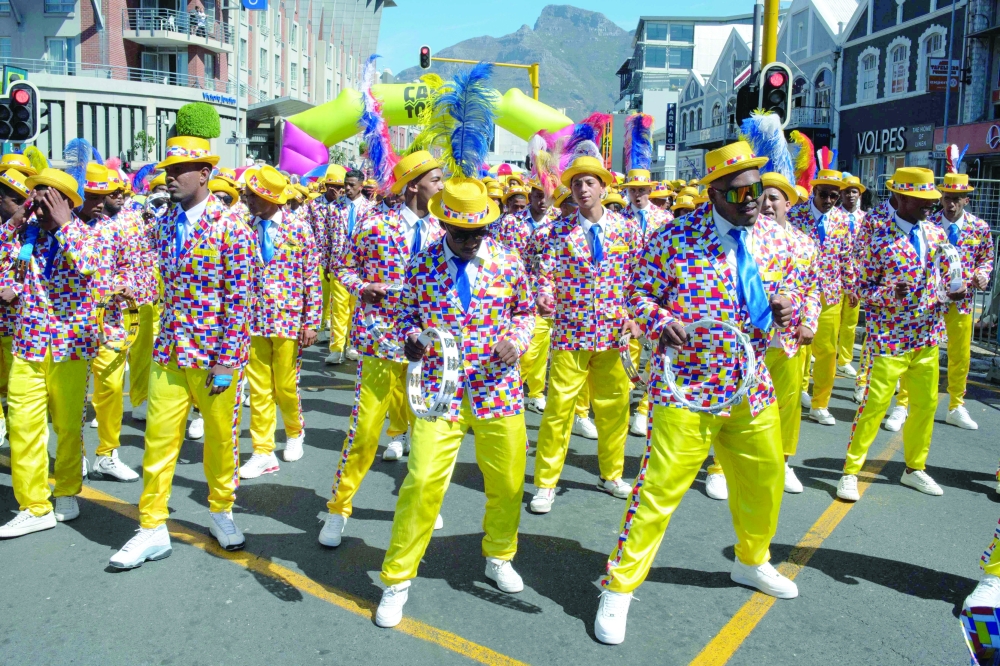
Members of a troupe take part in the annual parade of Tweede Nuwe Jaar (Second New Year) in Cape Town on January 5, 2026.  (Photo by RODGER BOSCH / AFP)
Members of a troupe take part in the annual parade of Tweede Nuwe Jaar (Second New Year) in Cape Town on January 5, 2026. (Photo by RODGER BOSCH / AFP)


Spectators pitched tents and umbrellas to shield themselves against the scorching heat during the hours-long New Year's parade, marred this year by disputes over the route, date and claims of commercialisation.


"It is not New Year unless you see the troupes, that is my heritage", said Vanessa Hendricks, 65, who has been attending the Tweede Nuwe Jaar (Second New Year) carnival since she was 16 years old.


The tradition began more than 100 years ago, when enslaved people from Africa and Southeast Asia were given a day off to celebrate the new year.
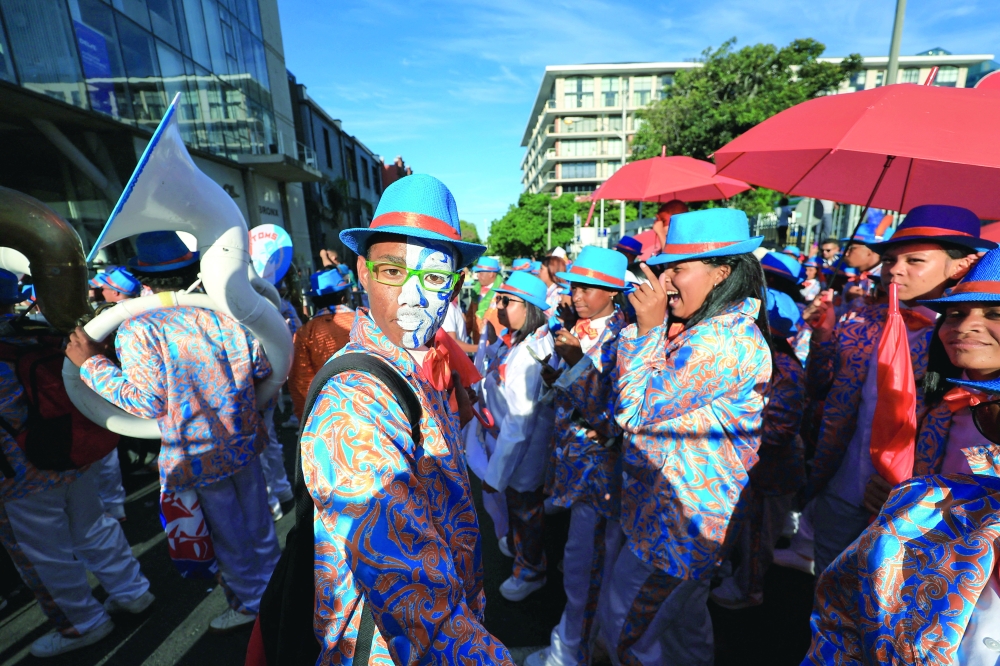
Performers take part in the annual Cape Town Minstrel Carnival parade, in Cape Town, South Africa, January 5, 2026. REUTERS/Esa Alexander


With some people of European descent, they formed a population still largely known as Cape Coloureds, many of whom cherish the carnival as a celebration of their culture, identity and heritage.


"This is a cultural practice that you will not see anywhere else", said city mayor, Geordin Hill-Lewis, at the start of the parade.


"It is globally unique to Cape Town, deeply entrenched as part of our city's beloved and beautiful heritage", he said.


Organisers said around 17 troupes made up of about 20,000 performers were expected at this year's event, which culminated in a city stadium for an on-stage competition watched by more than 15,000 people. — AFP
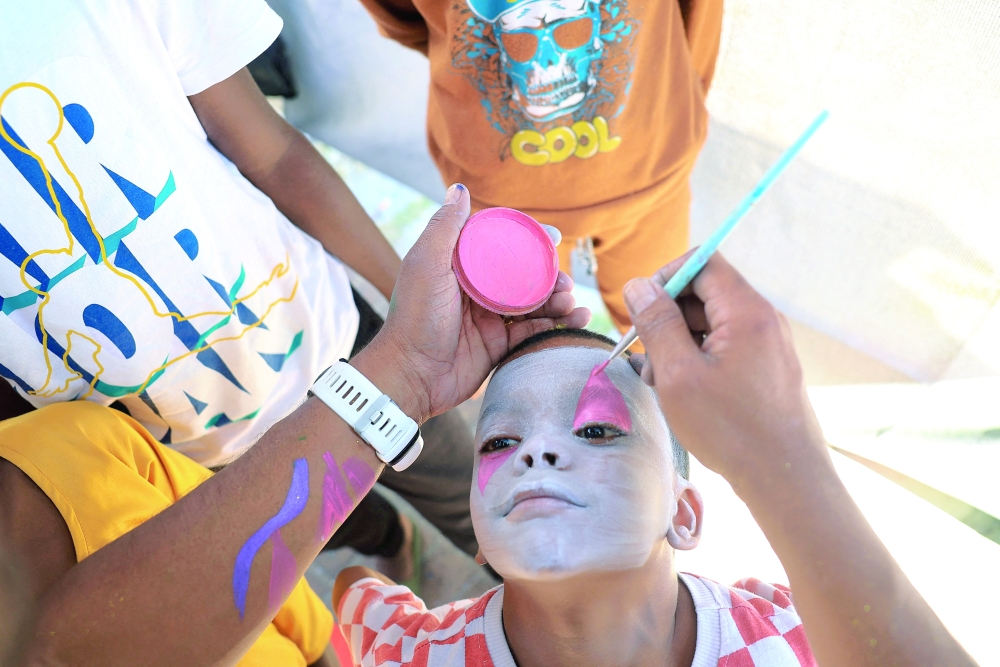
A participant has his face painted in preparation for the Cape Town Minstrel Carnival parade, in Cape Town, South Africa, January 5, 2026. REUTERS/Esa Alexander     TPX IMAGES OF THE DAY
A participant has his face painted in preparation for the Cape Town Minstrel Carnival parade, in Cape Town, South Africa, January 5, 2026. REUTERS/Esa Alexander TPX IMAGES OF THE DAY

Members of a troupe take part in the annual parade of Tweede Nuwe Jaar (Second New Year) in Cape Town on January 5, 2026.  (Photo by RODGER BOSCH / AFP)
Members of a troupe take part in the annual parade of Tweede Nuwe Jaar (Second New Year) in Cape Town on January 5, 2026. (Photo by RODGER BOSCH / AFP)


SHARE ARTICLE
arrow up
home icon