




MUSCAT, JAN 6
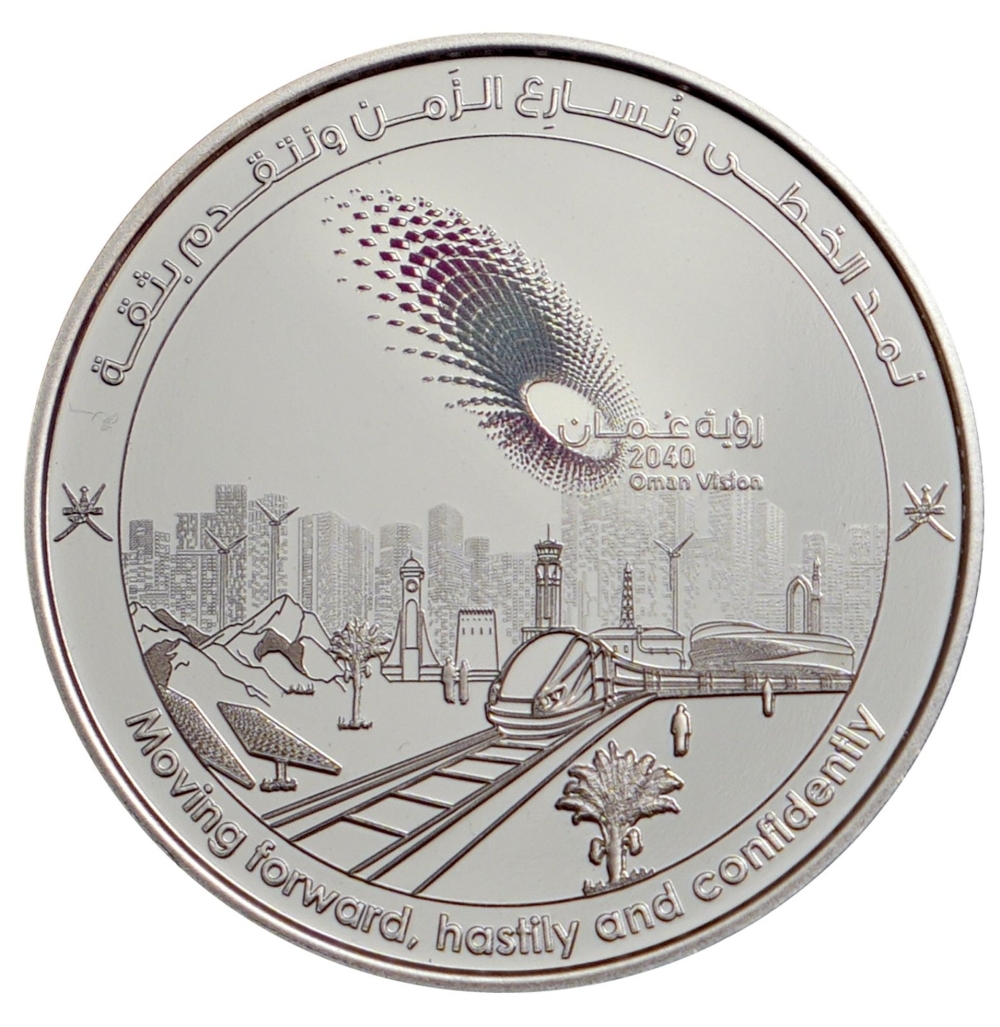
The Sultanate of Oman is significantly advancing its Oman Vision 2040 goals by investing in a robust pipeline of high-profile cultural and historical projects. Led by the Ministry of Heritage and Tourism, these initiatives aim to diversify the national economy by transforming the country into a global hub for heritage and ecological tourism.
From the rugged cliffs of Musandam to the ancient maritime hubs of Sur, the government is delivering a sophisticated network of museums and visitor centres that blend modern architectural innovation with the preservation of the Sultanate of Oman’s unique historical identity.
At the forefront of this cultural expansion is the Natural History Museum in Muscat, situated within the sprawling Oman Botanic Garden. Currently in the tendering phase, this landmark institution is designed to be a living archive of the nation's geological and biological evolution. The broader Botanic Garden project, which was recently handed over to Muscat Municipality for operational management, represents one of the largest environmental initiatives in the Middle East.
Complementing this is the Maritime History Museum in Sur, a project that has already garnered international acclaim. Designed by the award-winning architect Ibrahim Jaidah, the museum recently underwent value engineering to ensure its ambitious design — inspired by Oman’s seafaring legacy — remains both a functional educational space and a sustainable architectural masterpiece.
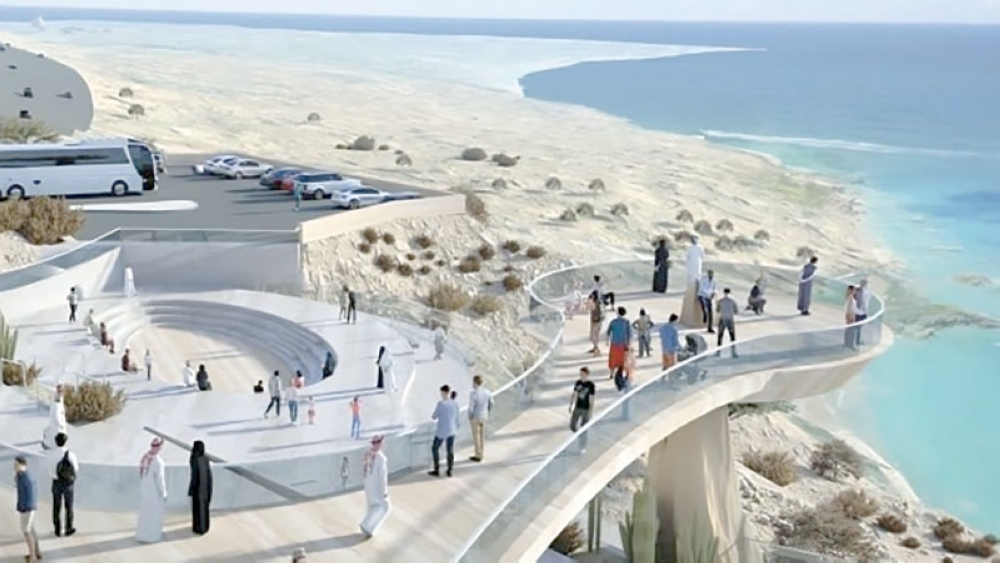
In the northern enclave of Musandam, the Dibba Archaeological Visitor Centre is nearing its final stages of development, with construction currently 90% complete. This facility is expected to open its doors in 2026, providing an interactive gateway to Bronze Age excavations and on-site discoveries. By integrating state-of-the-art exhibition technology with active archaeological zones, the centre is set to become a primary destination for researchers and tourists alike, showcasing the strategic historical importance of the Wilayat of Dibba.
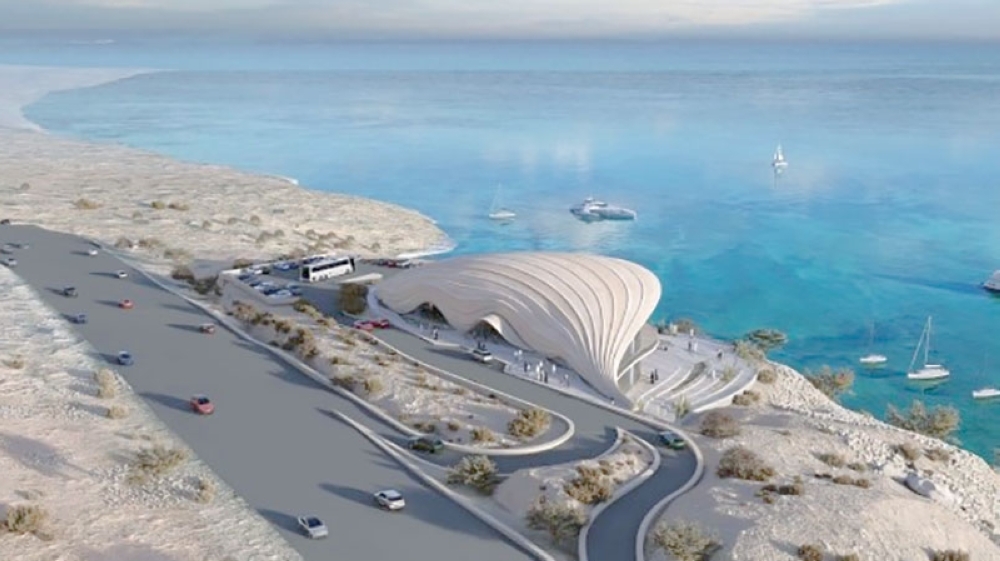
Further south, the ancient city of Qalhat — a Unesco World Heritage site — is also set for a major transformation. The ministry is currently overseeing the tender process for the Qalhat Archaeological City Visitor Centre, with bids scheduled for evaluation in early 2026.
The centre’s design, which draws inspiration from seashells and local wadi formations, aims to provide a central hub for visitors exploring the ruins of one of Oman’s most vital medieval ports. This project is supported by strategic funding partnerships, including an agreement with Oman LNG, highlighting the collaborative effort between the public and private sectors to enhance the Sultanate of Oman’s heritage infrastructure.
Finally, the Ministry has set its sights on the interior Al Dhahirah Governorate with plans for the Bat, Al Khutm and Al Ayn Archaeological Sites Visitor Centre. While still in the early stages, the project is scheduled for tendering in the first quarter of 2026. These sites, famous for their prehistoric beehive tombs, represent some of the most complete settlements and necropolises from the third millennium BC.
By establishing dedicated visitor centres at these remote locations, Oman is ensuring that its most ancient treasures are accessible and preserved for future generations, further solidifying the nation’s status as a leader in cultural heritage management.
Oman Observer is now on the WhatsApp channel. Click here