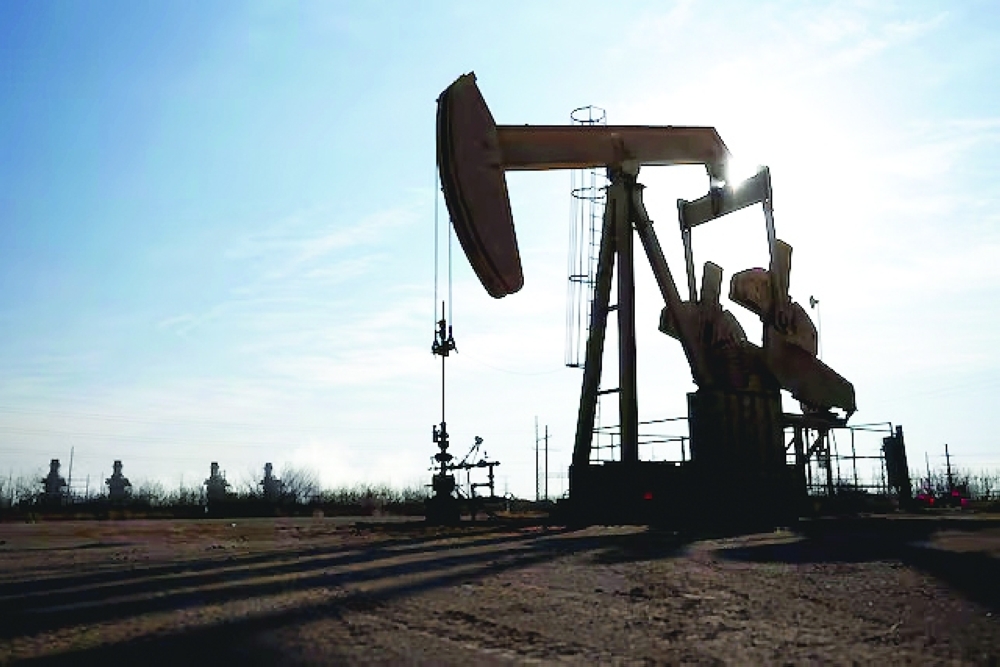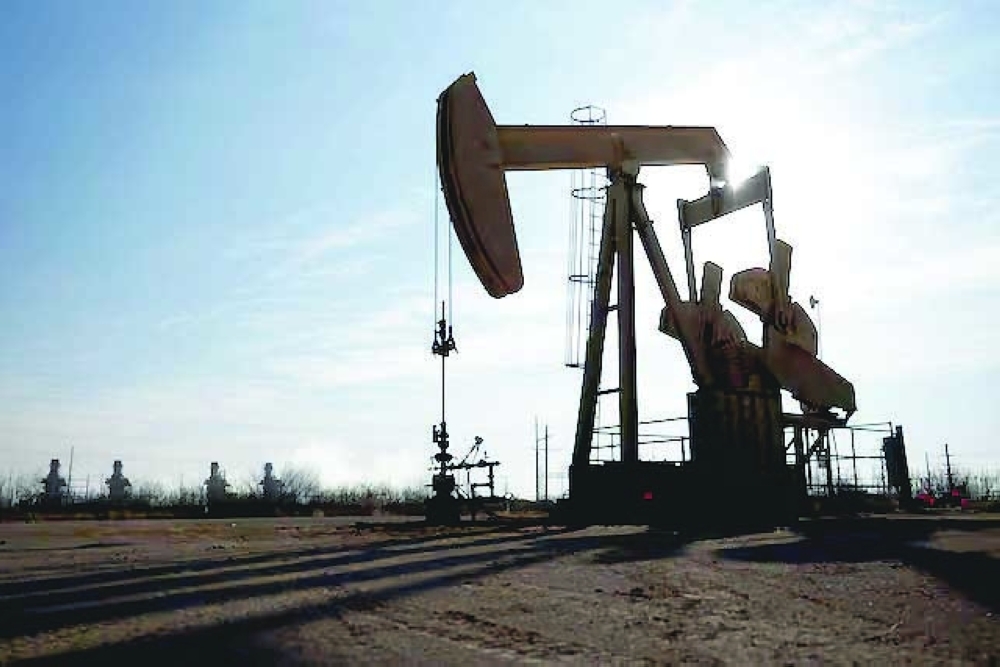





Muscat: Oil prices edged lower in early Asian trading on Monday, moving against initial expectations of a rebound after fresh political developments in Venezuela, as traders judged the risk to global supply to be limited and the wider market to remain comfortably supplied.
Brent crude was quoted around $60.9 a barrel at the start of the week, while U.S. West Texas Intermediate (WTI) traded near $57.4, according to market levels cited by Ali Abdullah al Riyami, a well-known Omani energy expert.
The muted reaction underscores a market increasingly driven by fundamentals rather than headlines, with the immediate focus returning to the balance of supply and demand.
“Venezuela’s impact on global supply is limited,” Al Riyami said. “Even in optimistic estimates, exports are around 700,000 barrels per day, which is small compared with global production above 100 million barrels per day. Traders are looking through the political noise and asking whether there is an actual loss of barrels — and so far, they’re not seeing it.”
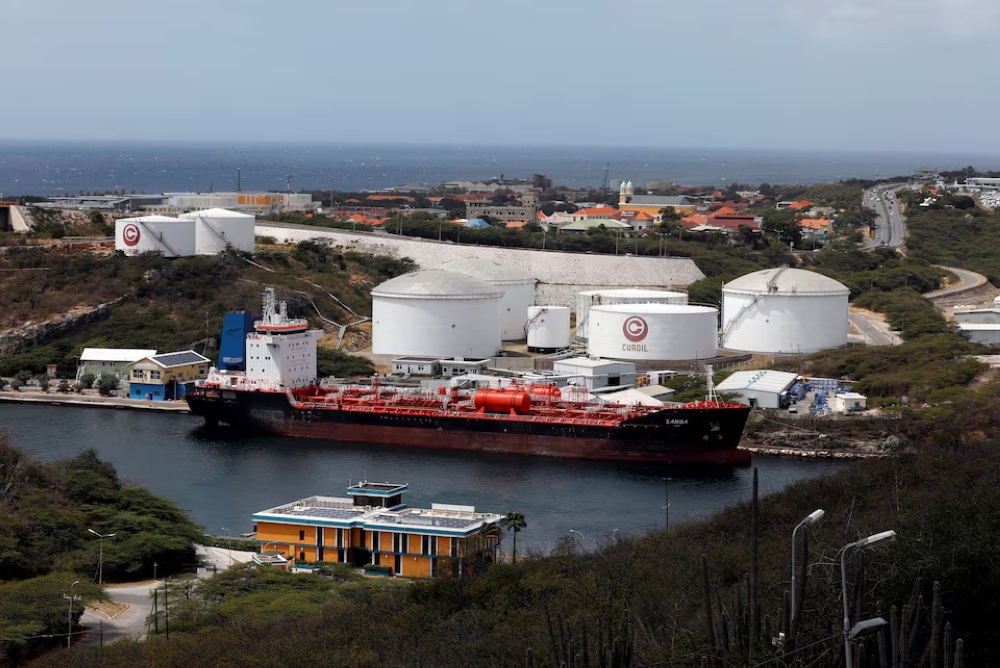
Venezuela’s export flows, while strategically significant for certain buyers, represent a narrow slice of the global oil system. Much of the country’s crude has been directed to China, with a smaller share moving to the United States, meaning any disruption would likely be absorbed without materially tightening global balances, Al Riyami said.
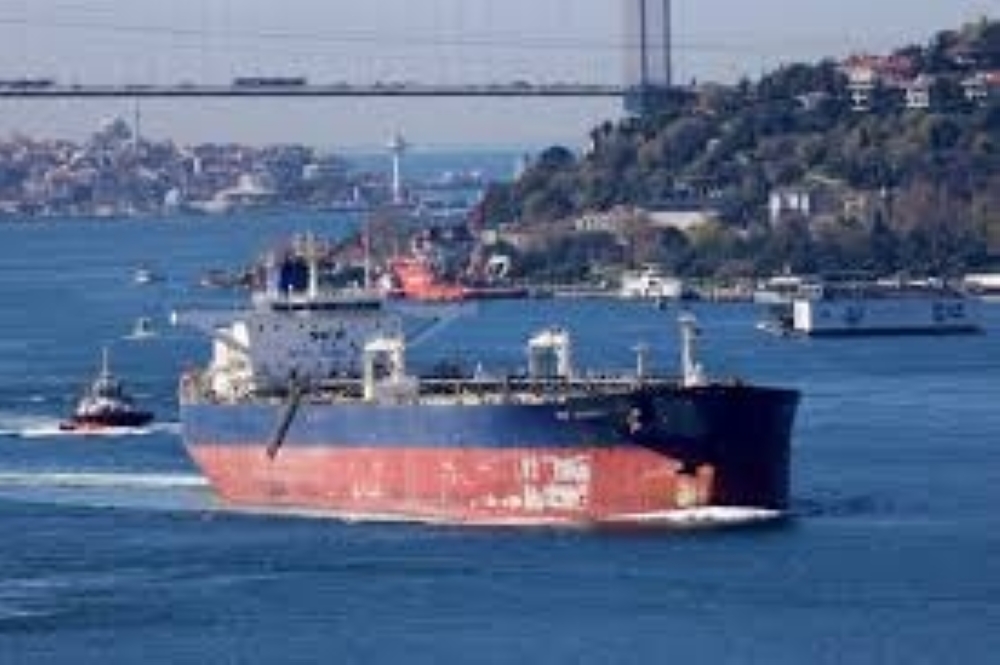
Markets also appeared unconvinced that recent measures affecting some vessels would translate into a physical shortage. “The discussion around restrictions and shipping has not turned into a clear, sustained drop in flows,” Al Riyami said. “Without a visible tightening in supply, the risk premium doesn’t build.”
The price drift lower comes as traders weigh geopolitical headlines against a broader picture of ample supply. US shale output has continued to provide a buffer to global markets, while OPEC+ has maintained policy flexibility that has helped keep production levels elevated, reinforcing the sense that the market remains well supplied.
That backdrop has reduced sensitivity to disruptions that do not involve major producers or critical chokepoints. “In a market that feels well supplied, you need a real, measurable disruption to move prices higher,” Al Riyami said. “Otherwise, the baseline pressure stays downward.”
Still, analysts cautioned against drawing firm conclusions from a single session, particularly as markets reassess demand signals from major consuming economies and the direction of monetary policy — both key drivers of energy consumption expectations.
Al Riyami said the near-term direction of crude would likely depend on whether supply remains abundant and whether geopolitical risk escalates enough to affect physical availability. “It is too early for a definitive call on the next few weeks,” he said. “But if supply stays comfortable and fears cool, the path of least resistance remains lower.”
He added that traders will be watching upcoming inventory readings and OPEC+ guidance for confirmation of market tightness — or its absence.
Broader market sentiment has remained cautious after oil’s reported weak performance last year. “If 2025 ended with prices down sharply — around 20% by some estimates — that tells you the market has been pricing in oversupply concerns,” Al Riyami said. “Headlines alone won’t reverse that unless they change the fundamentals.”
For now, the Venezuela developments have not produced the kind of supply shock that typically lifts crude. “The decisive factor is still the supply-demand balance,” Al Riyami said. “And at this stage, it is tilting in favour of supply.”
Oman Observer is now on the WhatsApp channel. Click here