




Like many Venezuelans, José, an entrepreneur based in Mexico City, voted against Nicolás Maduro in Venezuela’s election in 2024. He was dismayed when Maduro clung to power, amid accusations of widespread fraud and nationwide opposition protests. But when he awoke Saturday to the news that Maduro had been ousted in a U.S. military operation, he felt only dread.
“It is bittersweet,” said José, 35, who withheld his last name fearing reprisal against his family in Venezuela from the government. He was worried the majority of his family, who has always voted against Maduro, will experience further political and economic instability, upending his own plans to return to Venezuela.
“The first thing on my mind isn’t, ‘We are free and I’m so happy,’” he said. “It is, ‘What will happen tomorrow?’ Maduro is just one part of a much bigger machine.”
Maduro was a deeply unpopular leader and was accused of stealing the election in 2024. An independent exit poll and a tally of votes by the opposition appeared to show that he lost decisively, 66% to 31%.
“Nobody wants an invasion,” said Beatrice Rangel, who was the chief of staff for Venezuela’s former president Carlos Andrés Pérez. “No one wants a foreign power in their country. I have always been against such interventions.”
Rangel said that in that posting she had tried to convince Panama’s president, Manuel Noriega, to resign. Her government was opposed to the U.S. coup that overthrew him.
But with Venezuela today, she said, “There was no other way to remove Maduro without the U.S.”
But the Trump administration’s incursion into Venezuela recalled the many U.S.-backed coups that have destabilized Latin America in recent decades.
“This has been my fear from Day 1, that Trump thought this was going to be easy, that once Maduro goes there will be pixie dust, rainbows and everyone is happy,” said Brian Naranjo, who served as the deputy chief of mission at the U.S. Embassy in Caracas from 2014 to 2018.
José and many other Venezuelans have wanted Maduro out, but they worry that the United States has no plan for a peaceful transition of power and that the South American nation could descend into chaos — with a collection of regional guerrilla groups biting off territory and rival government factions fighting for power.
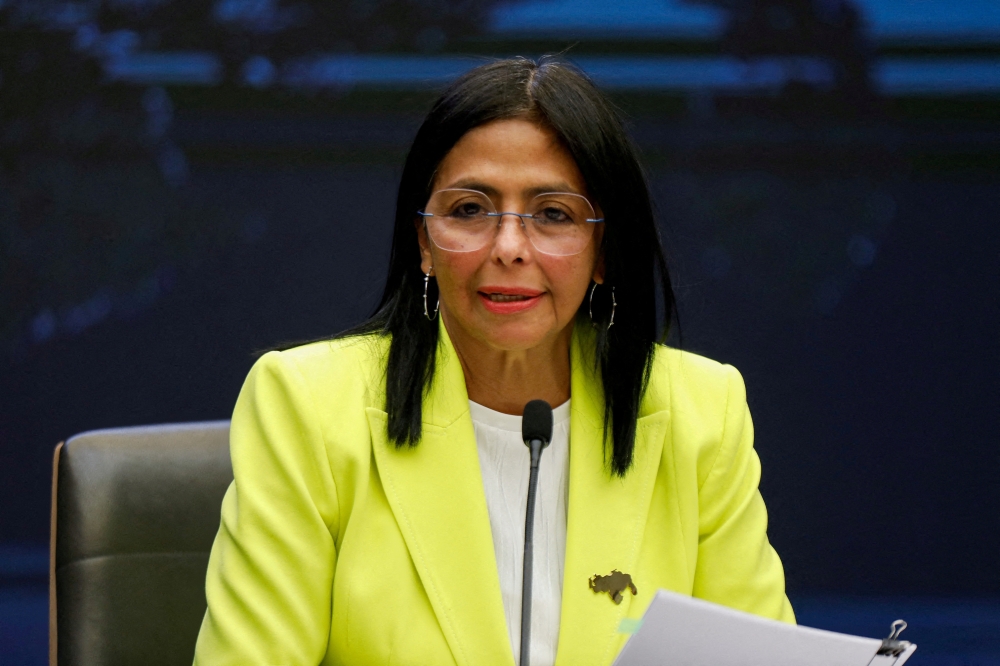
Many Venezuelans who oppose Maduro are also wary of Delcy Rodríguez, the vice president who Trump said had been sworn in as interim president Saturday, but who appeared loyal to Maduro in her remarks the same day.
And the fact that the U.S. intervention left Maduro’s inner circle in office fueled concern that his government would not go without a fight.
One teacher in the city of Maracaibo, whose brother was killed by pro-government paramilitary forces, said she had cried with joy when she heard Maduro had been ousted. But her delight was short-lived, ending when she learned that Rodríguez would remain at the helm.
Indeed, Trump has barely spoken about democracy since U.S. forces captured Maduro in an early morning raid Saturday, nor has he laid out a detailed transition plan. He was, however, adamant that the administration will receive a more lucrative deal on Venezuelan oil.
That added to the fury among supporters of Maduro’s government.
“Anyone who celebrates an invasion of the gringos is a traitor,” said Alberto González, 42, a government worker in Sucre, a state on the northeast coast of Venezuela.
“They’re going to steal everything from us and humiliate us,” he said. “The country is independent, and we cannot accept Donald Trump coming here to tell us what to do and kidnapping the president.”
To many Venezuelans and analysts, Trump’s focus on oil reserves draws similarities to the U.S. invasion of Iraq in 2003. President George W. Bush declared “mission accomplished” just six weeks after the invasion — only for Iraq to descend into a brutal civil war that killed thousands of Iraqis and U.S. troops.
On Saturday while addressing reporters, Trump said that the United States will “run” Venezuela, but the country is roughly twice as large as California and is filled with mountains and dense forests. Analysts say that the United States does not have sufficient forces in the Caribbean to prop up a Venezuelan government of Washington’s choosing, despite Trump’s threats to do so.
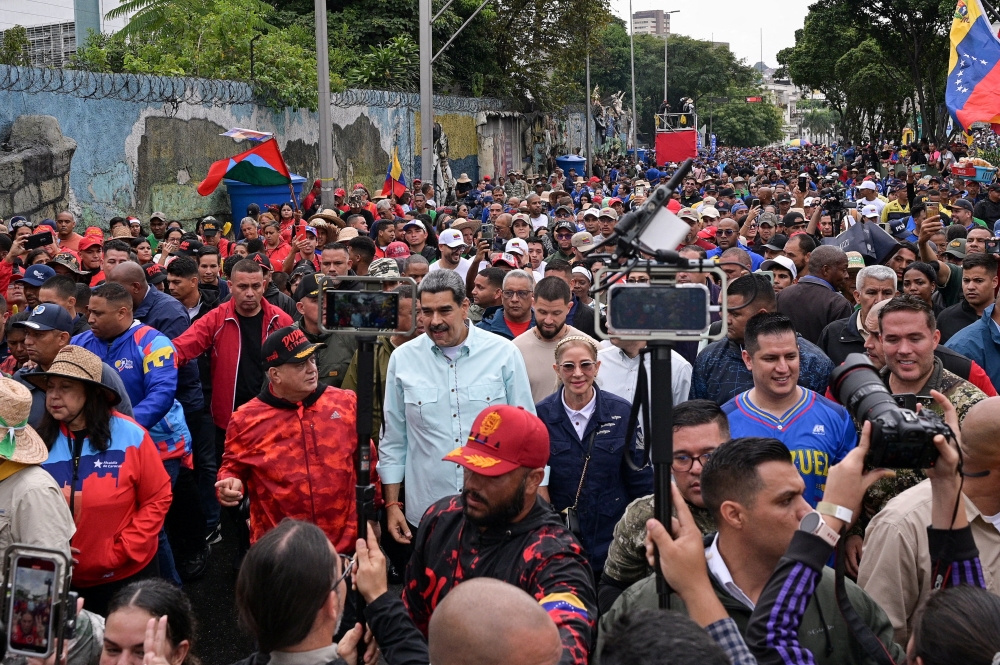
And compared to the jubilation that greeted U.S. troops on the streets of Baghdad after Saddam Hussein’s fall in 2003, the roads of Caracas were chillingly silent Saturday, save for a few small demonstrations organized by the government to protest Maduro’s ouster.
José Villalobos, a security guard who was a strong supporter of Maduro’s predecessor, Hugo Chávez, who had led the country’s socialist-inspired “Bolivarian revolution,” said that he had cried when he heard of Maduro’s arrest.
“I’m afraid the revolution will end and that the rich won’t want to help the poor anymore,” he said of the movement spearheaded by Chávez.
Villalobos has been receiving financial support from the Venezuelan government and from a community council, he said, and he is worried about rising food prices.
“I know food is expensive and that we’re struggling,” he said, “but I’m a revolutionary, and as Commander Chávez said, nobody here surrenders.”
Many Venezuelans inside the country may be too afraid to publicly cheer Maduro’s capture given the uncertainty of what happens next. On Saturday, Rodríguez gave a speech defiant of the Trump administration, saying that Maduro remained the “only president” of Venezuela.
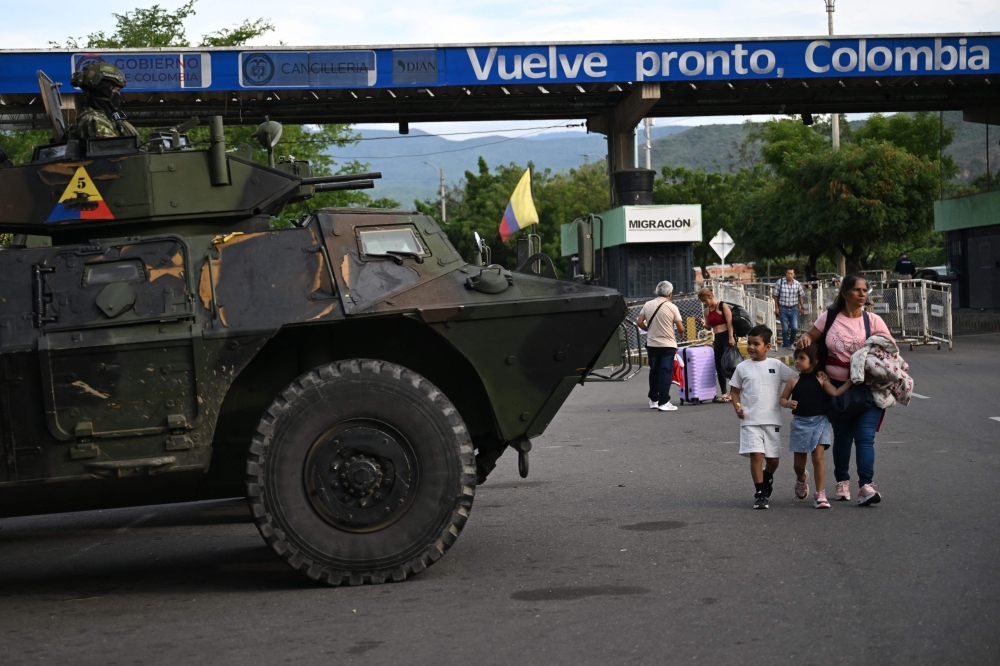
Regional threats also loom. A prominent Colombian rebel group is active in the border region of Venezuela and could destabilize the country if there is a power vacuum in Caracas, according to former U.S. diplomats and analysts.
“What is the plan? Key regime people are still in place,” Naranjo said, adding, “this lack of certainty favors the regime that has been opposed to democracy, not the opposition that has embraced democracy.”
This article originally appeared in The New York Times.
Oman Observer is now on the WhatsApp channel. Click here