




MUSCAT: The meetings, incentives, conferences and exhibitions (MICE) tourism sector in Oman achieved a tangible economic and tourism impact in 2025, recording direct economic returns of approximately RO 15 million.
The sector attracted more than 1.9 million visitors, participants, and investors through the hosting of over 250 local, regional and international events — an indicator of the sector’s growing role as a key driver of economic diversification and tourism growth in Oman.
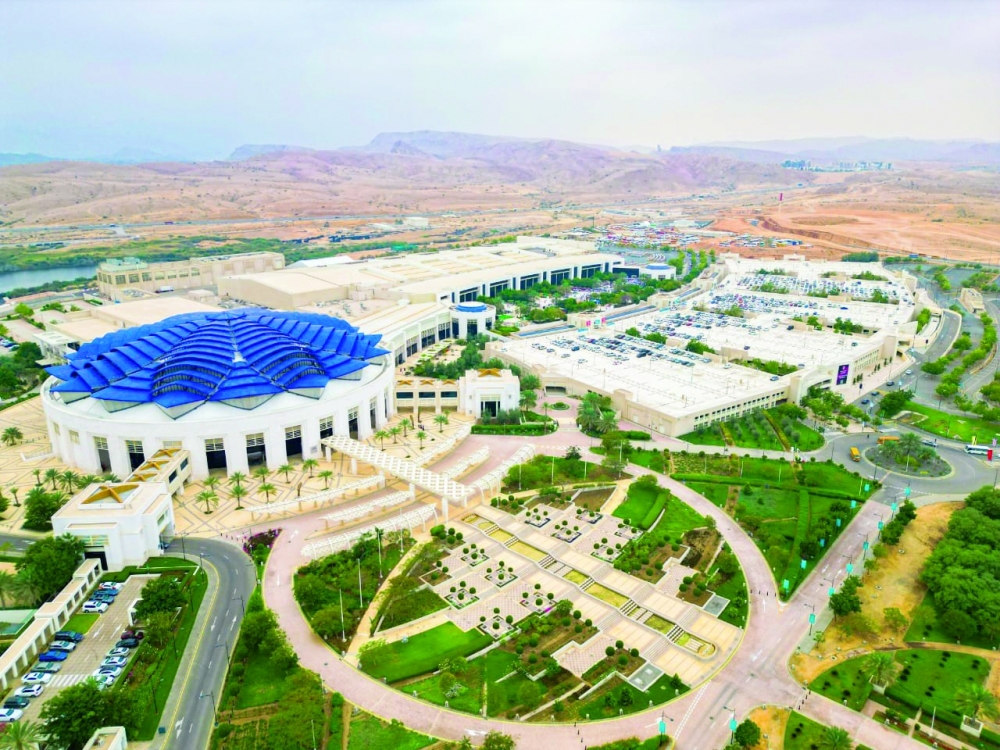
Oman has strengthened its position as a specialised destination for meetings, conferences and exhibitions tourism, leveraging integrated infrastructure, professional organisational capabilities and comprehensive experiences that attracted participants from more than 60 countries worldwide.
More than 20,000 international participants and investors took part in over 15 regional and international events within a single year.
The momentum of the sector was directly reflected across several supporting economic sectors, including hospitality, transport, services and retail. The continuous flow of events contributed to higher hotel occupancy rates, revitalised commercial activity and stimulated demand for services related to supply chains, event organisation, technology and hospitality.

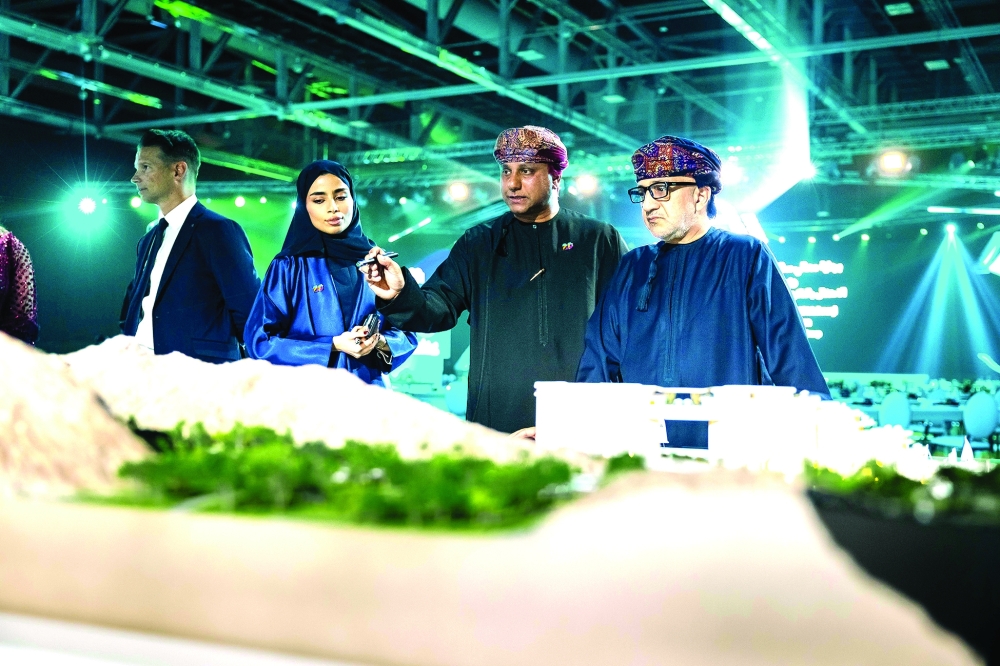
Eng Said bin Salim al Shanfari, Chief Executive Officer of the Oman Convention and Exhibition Centre, said that the indicators achieved in 2025 reflect the maturity of Oman’s conference tourism ecosystem.
He emphasised that the sector has become an effective economic contributor supporting the national economy and enhancing Oman’s attractiveness as a destination capable of hosting global events according to competitive standards.
He explained that the economic impact of conference tourism extends to empowering young national talents, creating direct and indirect employment opportunities, and developing specialised skills in the exhibitions and conferences industry. He noted that Omani human capital has been a fundamental pillar in the efficient and professional execution and management of events.
Al Shanfari also confirmed that participation in specialised international exhibitions and forums has helped expand partnership networks and attract new events. He pointed out that the next phase will focus on high-quality events with greater added value, capable of maximising economic impact and strengthening Oman’s presence on the regional and international conferences and exhibitions map.
In 2025, the nature of hosted events was diverse, encompassing — alongside specialised conferences and exhibitions — major cultural and artistic events, public forums and graduation ceremonies with more than 65,000 graduates.
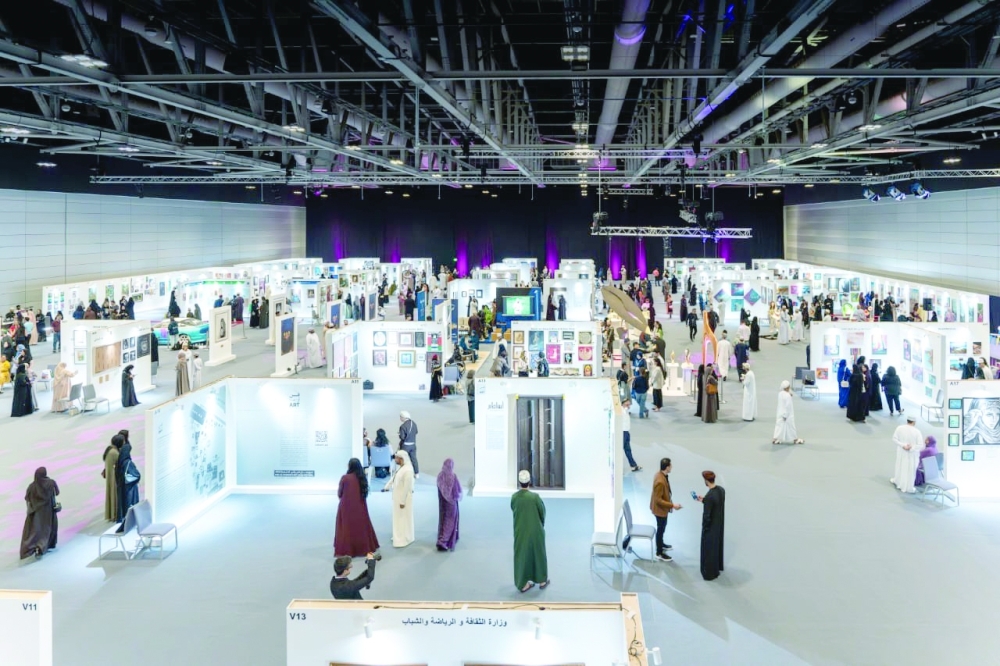
This diversity enhanced the community dimension of conference tourism and linked it to educational and cultural milestones with wide-ranging impact.
In this context, artistic events contributed to supporting tourism activity, as concerts attracted more than 11,000 visitors from within and outside Oman, achieved high hotel occupancy rates in the vicinity of event venues, and encouraged a number of visitors to extend their stays and explore other tourist destinations, thereby doubling the indirect economic impact.
International art and cultural exhibitions also emerged as a key contributor to the creative economy, with the participation of more than 400 artists from 16 countries. These events served as platforms for cultural exchange and tourism promotion, enhancing Oman’s image as a destination that brings together business, culture and the arts.
In terms of sustainability, the past year witnessed the implementation of more than four sustainability projects, including expanded use of solar energy, planting of native trees, and food waste reduction programmes that helped save more than 500 kilogrammes of food — reflecting the sector’s commitment to environmental practices and social responsibility.
From a development perspective, the conference tourism sector supported more than 100 SMEs by providing opportunities to participate in events and build commercial partnerships, thereby strengthening their role in the local economy and reinforcing the principle of maximising added value.
Oman Observer is now on the WhatsApp channel. Click here