




MUSCAT: The Sultanate of Oman carries on with its efforts to combat human trafficking, being one of the most serious crimes that degrades human dignity and threatens social stability, due to its various forms of exploitation that affect the most vulnerable segments.
Experts confirmed that addressing human trafficking requires a comprehensive system based on deterrent legislation, legal protection, rehabilitation and support programmes and raising community awareness.
This contributes to safeguarding the rights of victims, establishing the principles of justice, and ensuring integration between relevant authorities to tackle human trafficking.
They explained that the Oman Human Rights Commission (OHRC) has played an integral role in supporting national efforts to combat human trafficking.
This includes independent monitoring and follow-up, receiving reports and complaints, submitting recommendations to the relevant authorities, providing human rights opinions on relevant policies and legislation, evaluating institutions’ adherence to national and international standards and promoting a human rights approach in the implementation of the National Strategy to Combat Human Trafficking.
The Omani law stipulates deterrent penalties, including imprisonment from three to ten years and a fine between RO 5,000 and RO 100,000 and the penalty can reach up to fifteen years imprisonment in certain cases.
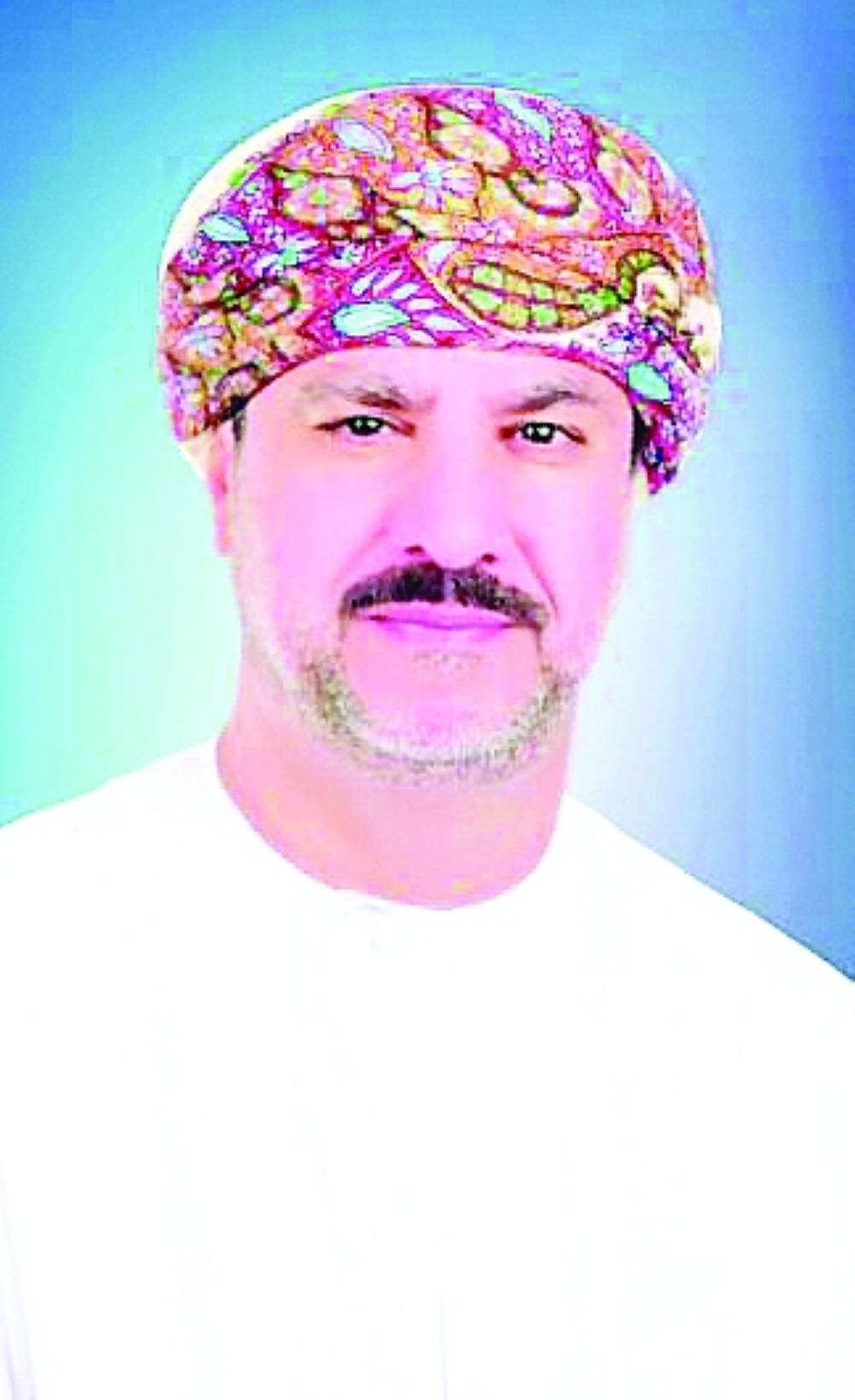
Dr Rashid bin Hamad al Balushi, Chairman of the Oman Human Rights Commission (OHRC), considers human trafficking as one of the most serious violations of human rights as it directly degrades human dignity, deprives individuals of their freedom and exploits the most vulnerable members of society.
He pointed out that, from a human rights perspective, this crime constitutes a clear violation of the fundamental rights guaranteed by the Basic Law of the State as well as the international conventions and other relevant laws.
Al Balushi explained that the OHRC played an integral role in supporting national efforts to combat human trafficking through independent monitoring and follow-up, receiving reports and complaints, submitting recommendations to the competent authorities, as well as providing human rights opinions on relevant policies and legislation.
From a law perspective, Dr Ahmed bin Said al Jahwari, a lawyer, explained that the Omani legislator, in the anti-human trafficking law, defined exploitation as the unlawful use of a person.
This includes prostitution, slavery, domestic servitude, forced labour, begging, the unlawful removal of human organs or tissues for the purpose of trafficking and conducting biomedical research on individuals without legal authorisation.
Marwa bint Hassan al Balushiyah, a legal researcher at the Protection Centre, explained that the Ministry of Social Development, through the centre, provides a comprehensive system of social, psychological, and health services for the victims of human trafficking within a safe environment that preserves their human dignity and contributes to their empowerment and rehabilitation, helping them overcome challenges and achieve positive and effective integration into society.
She said that last September, an independent unit was established specifically to receive and protect male victims of human trafficking, representing a qualitative addition to the services provided, alongside the protection the centre offers to women and children.
She noted that the centre provides psychological care in coordination with mental health institutions to help victims achieve stability and psychological balance and rebuild self-confidence.
Oman Observer is now on the WhatsApp channel. Click here