




MUSCAT, DEC 31
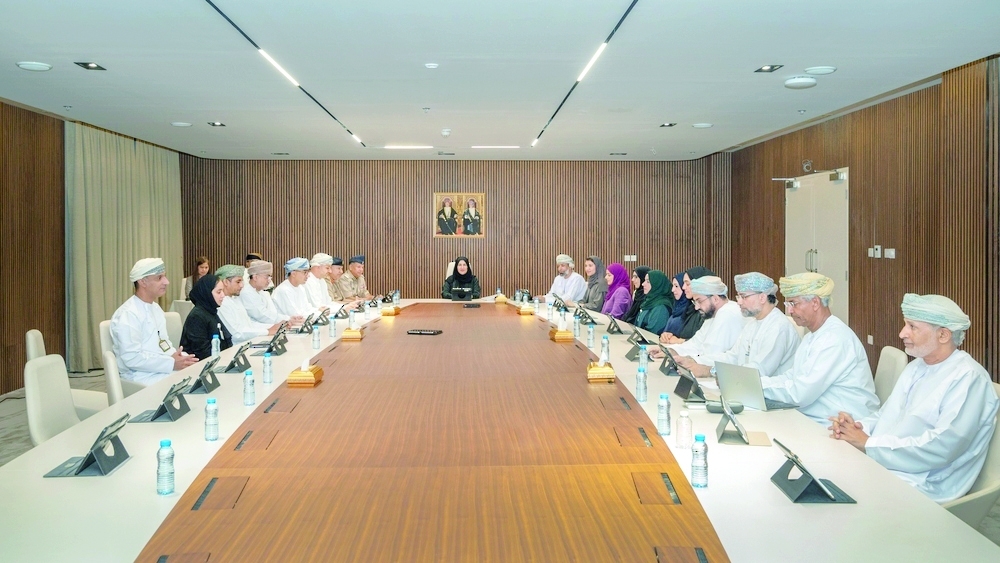
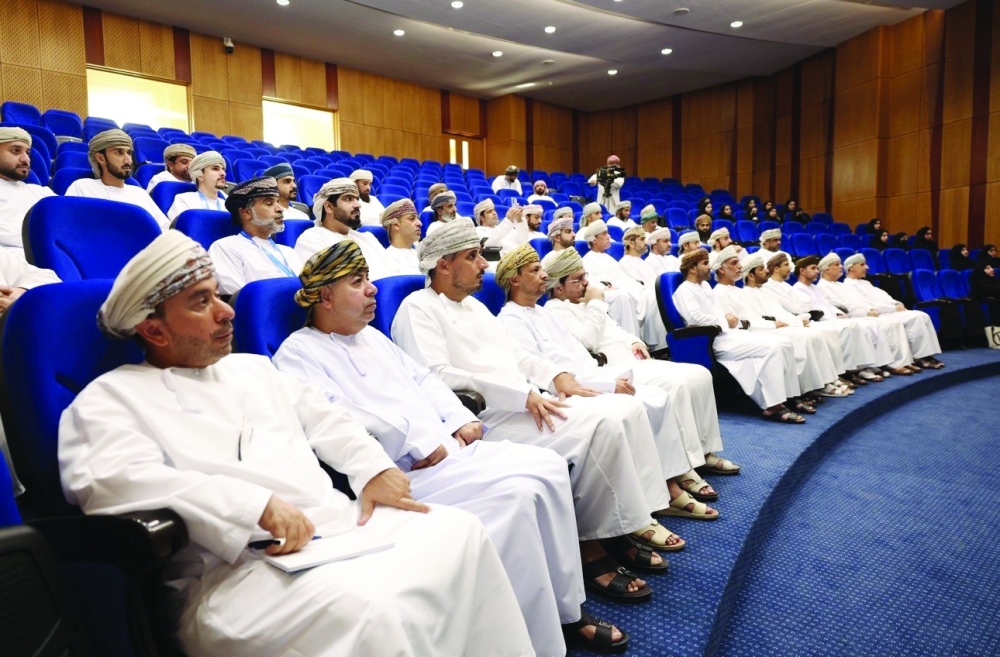
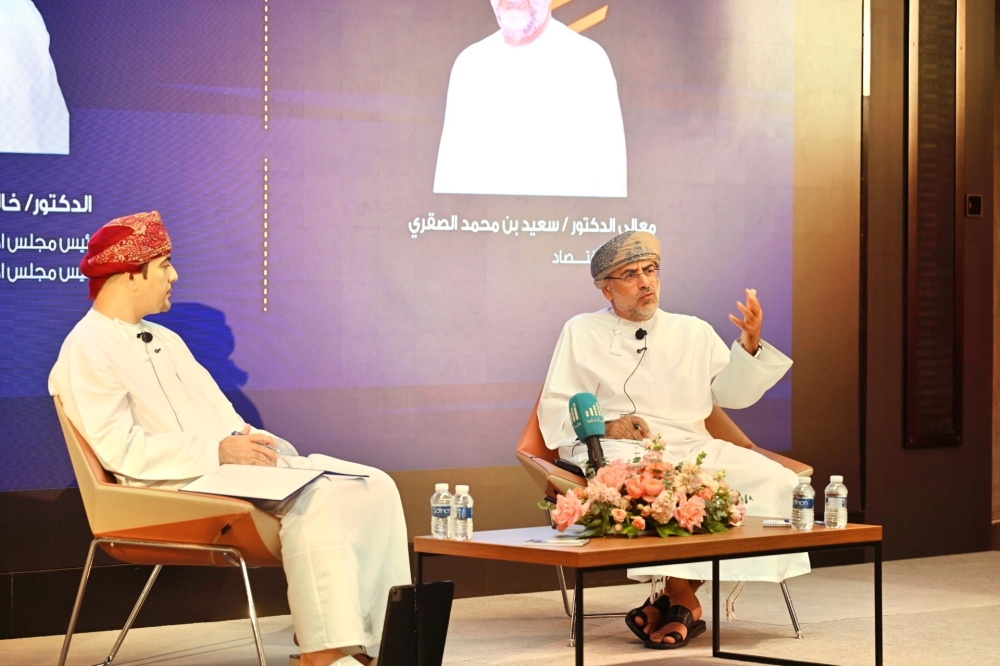
The Omani Economic Association organised the 29th Economic Council on Tuesday, December 30, 2025, under the theme “Oman’s Economic Performance 2020–2025”. The event took place in Madinat Al Irfan, Muscat, featuring Dr Said bin Mohammed al Saqri, Minister of Economy, as the guest speaker.
Dr Al Saqri delivered a visual presentation that explored three key pillars: global economic outlook and trends, the performance of Oman’s national economy and the Eleventh Five-Year Development Plan (2026–2030).
At the global level, he explained that the world economy is entering a period of slower growth, with forecasts suggesting rates of around 3.1%–3.8% by 2026. This outlook is shaped by rising geopolitical tensions, stricter trade policies and global debt climbing to nearly 324% of GDP.
He noted a clear shift in the balance of economic power, as emerging markets gain ground while several advanced economies lose momentum, all while climate change continues to affect supply chains and raise production costs. On the other hand, Oman has made progress in keeping inflation at 0.76% between January and August 2025 — a sign that national policies are helping the country remain resilient in a more uncertain global environment, he said.
According to Dr Al Saqri, Oman’s public debt reached RO 14.1 billion during the first half of the current year. The targeted average annual growth rate for the period 2021–2024 was around 5.0%, while non-oil activities accounted for 73% of Oman’s economy at constant prices in 2024, reflecting ongoing progress in economic diversification. Per the International Monetary Fund (IMF), Oman’s economy is expected to grow by 4% in 2026, compared to 2.9% in 2025. Meanwhile, the Ministry of Economy forecasts growth of 2.6% in 2026, compared to 2.2% in 2025, indicating steady momentum supported by national development plans.
The Minister explained that the Eleventh Five-Year Development Plan is designed to deliver real developmental results and ensure broad community participation in its preparation. The goal, he noted, is to align the work of government institutions and connect long-term targets under Oman Vision 2040 with medium-term planning for 2026–2030 through a set of programmes that support these objectives and define clear targets for each.
He added that the plan uses economic modelling and results-based planning, in line with Oman’s move towards a performance and programme-based budget. This approach makes it possible to track progress, measure outcomes and assess impact through smart performance indicators.
Furthermore, he stressed that the plan takes into account changing global and regional dynamics; and will adopt scenario planning to anticipate different future possibilities and respond effectively. This includes identifying key drivers of change, monitoring early signals of emerging trends and preparing risk management strategies to ensure readiness for possible challenges.
Oman Observer is now on the WhatsApp channel. Click here