




MUSCAT, DEC 31
A new report by the Majan Council, a Muscat-based think tank focused on regional development and advancement, has identified 30 clean energy–related sectors with strong potential to drive Oman’s industrial and economic growth.
Titled Foresight for Resilience: The Oman Clean Energy Strategic Outlook, the study is described as one of three “milestone projects” shaping the future of Oman’s clean energy economy and workforce. All three reports were developed in collaboration with the Oman Energy Association (OPAL), with sponsorship support from the Ministry of Energy and Minerals and the Ministry of Labour.
The 30 high-potential sectors are organised into three broad categories: Energy Development and Services, Manufacturing and Final Products.
Energy Development and Services encompasses both emerging and established fields, including advanced bioenergy, artificial intelligence and Web 3.0, renewable energy technologies such as solar, wind, ocean and geothermal power, hydrogen production and infrastructure, electric vehicle infrastructure, data centres, building energy efficiency; and minerals and metals extraction.
The Manufacturing category focuses on the industrial backbone of the energy transition, covering battery and electrolyser manufacturing, carbon capture technologies, fuel cells, heat pumps, inverters, variable speed drives, mechanical storage systems, water filtration membranes, solar PV panels, wind turbines; and minerals and metals processing.
Final Products highlight downstream, value-added industries, including clean cement and concrete, clean steel and aluminium, hydrogen-based fuels and non-conventional construction materials.
According to the Majan Council, these sectors were selected based on domestic and export market viability, robustness and predictability, socioeconomic and innovation potential, access to investment and capital, macroeconomic resilience benefits; and their ability to integrate into Oman’s existing industrial and economic fabric.
Commenting on the report, Dawud Ansari, President of the Majan Council and lead author, said it combines strategic foresight, structured sectoral analysis and applied policy research to address critical questions around Oman’s future energy economy, the external forces shaping it, priority sectors; and the institutional and policy levers needed to enable industrial development.
The report, he added, offers practical guidance on industrial policy design and institutional frameworks that allow new sectors to emerge and scale. “While some sectors are more promising than others, the key message is that successful industrialisation depends on developing sectors holistically — by building integrated industrial ecosystems that strengthen resilience, stimulate local demand and foster a domestic knowledge economy”, Ansari noted.
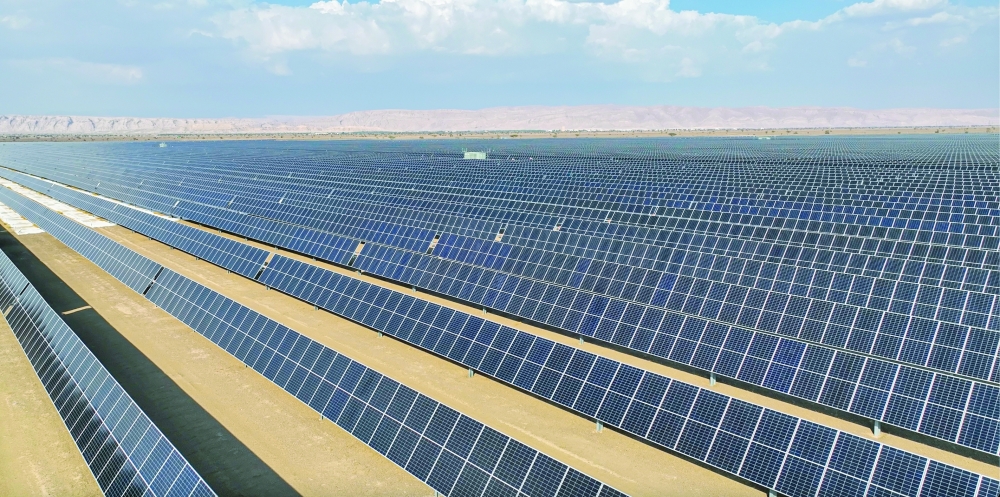
Already under development are the core building blocks of a clean energy manufacturing sector in the Sultanate of Oman, with substantial investments spanning the solar value chain. A flagship initiative is the United Solar Polysilicon facility in SOHAR Port and Freezone, a state-of-the-art plant designed to produce up to 100,000 tonnes of high-purity polysilicon annually — an essential input for solar PV manufacturing.
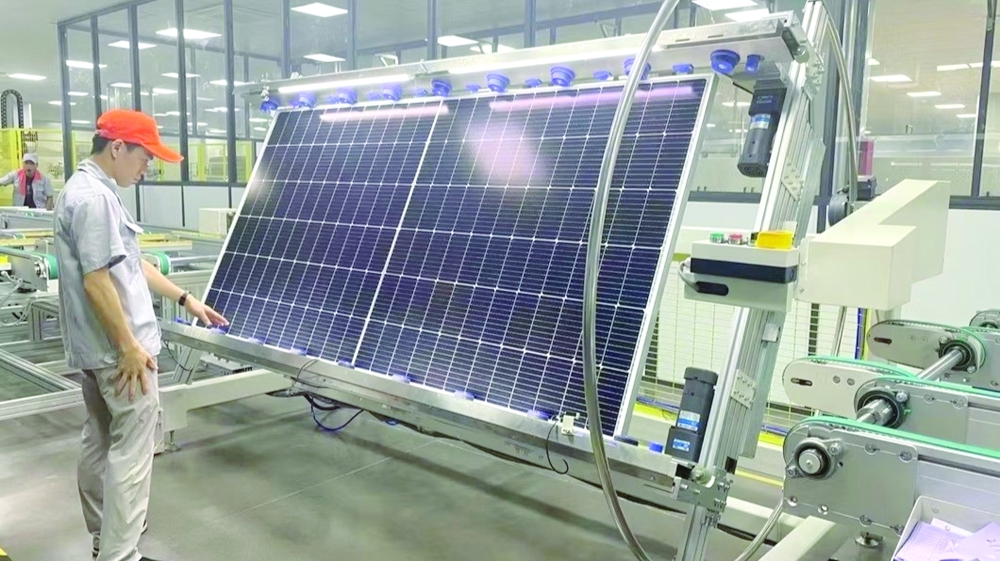
Complementing this upstream investment, Chinese photovoltaic major JA Solar is investing in a solar cell and module manufacturing facility in Suhar, with planned capacities of 6 GW of solar cells and 3 GW of modules per year.
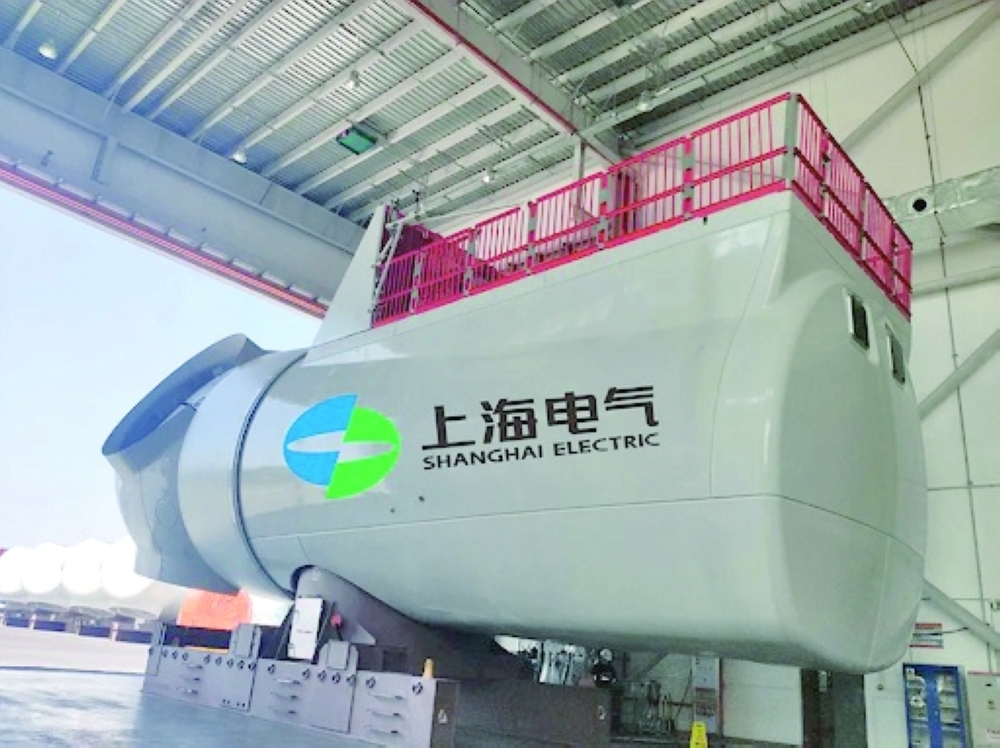
In the wind sector, state-backed Mawarid Turbine is developing a dedicated wind turbine manufacturing facility in the Duqm Special Economic Zone, positioning Oman to meet domestic demand while serving regional markets. Meanwhile, in the Salalah Free Zone, a battery materials and production project valued at approximately $488 million aims to establish lithium battery component manufacturing for electric vehicles and energy storage systems, with phased capacity expected to reach up to 100 GWh.
Oman Observer is now on the WhatsApp channel. Click here