




MUSCAT, DEC 25
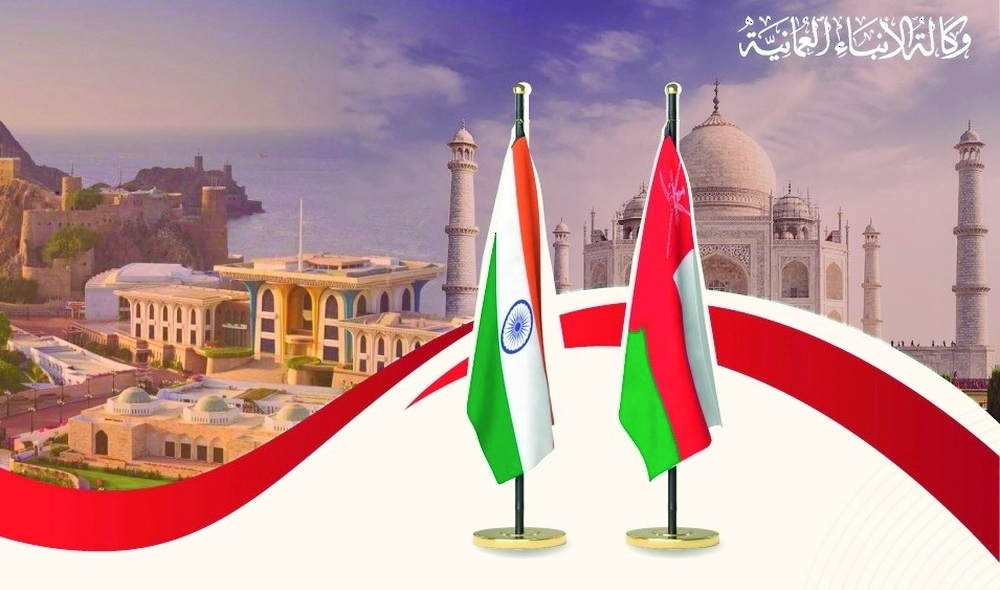
The Oman–India Comprehensive Economic Partnership Agreement (CEPA) is best understood as a long-term strategic framework to reduce business friction and improve policy predictability, rather than a narrow tariff deal, according to a well-known Omani economic expert.
Azza Al Habsi, an economist at Ominvest, said CEPA provides a clearer, rules-based structure for trade, services and investment, which could lower the cost of doing business and strengthen investor confidence through greater policy visibility.
She said much of what may be perceived as “new openness” — particularly in services — already exists in Oman’s investment regime, with the agreement mainly documenting that framework more clearly for foreign investors. “That visibility matters for credibility, investor confidence, and long-term planning,” she said.
Al Habsi added that CEPA could embed Oman more firmly in India-linked value chains, offering strategic optionality as global trade fragments and companies seek stable hubs connecting Asia, the Gulf and Africa.
She downplayed alarm over “100% foreign ownership” headlines, saying full foreign ownership is already permitted across many activities in Oman and should not be read as a sudden policy shift.
Al Habsi said Omanisation and labour laws remain unchanged, and that CEPA does not mandate labour inflows, with Oman retaining full control over visas, quotas and employment policy.
However, she flagged two gaps that could limit domestic spillovers unless addressed through local execution.
First, she said the agreement does not explicitly link market access to training, skills development or technology transfer, leaving those outcomes to domestic policy and investor choices.
Second, she warned that some sectors already open to full foreign ownership rely heavily on expatriate labour, while allowing unrestricted profit repatriation, potentially crowding out SMEs and weakening local income circulation if ownership, management, labour and profits remain largely outside the domestic economy.
“CEPA is a framework, not a shortcut,” she said, adding that whether it delivers inclusive growth or capital-only growth will depend on investors, business owners and policy implementation.
Oman Observer is now on the WhatsApp channel. Click here