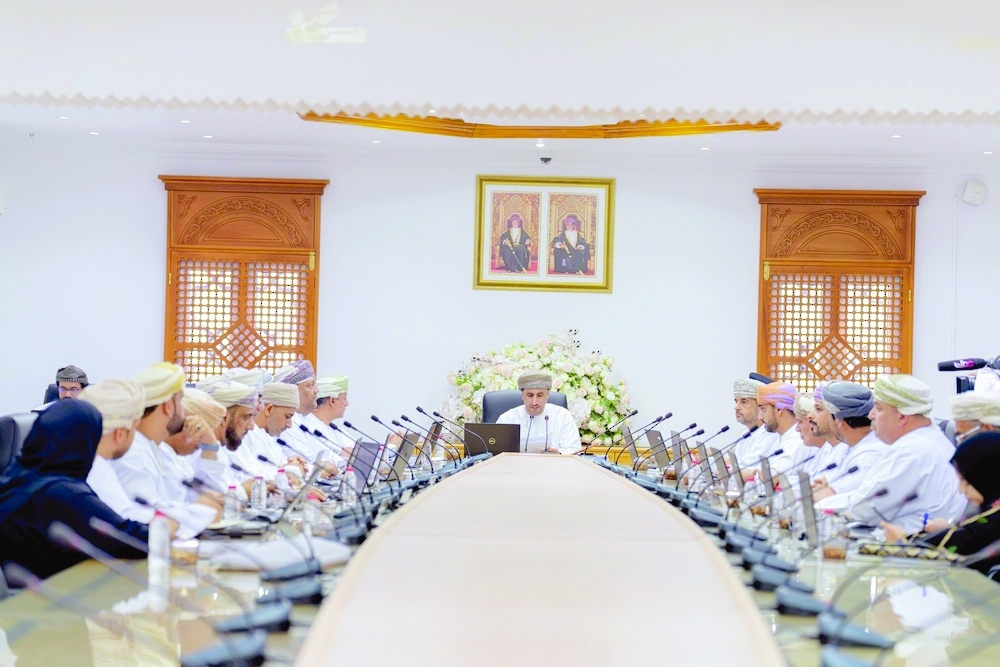





MUSCAT: The State Council on Tuesday discussed the drafts of the National Geospatial Data and Information Law, the Unified Industrial Regulation Law for the GCC States, and the draft Amendment to the Unified Customs Law for the GCC States.
The Council reviewed a study by the Education and Research Committee titled 'Enhancing the Quality of Educational Attainment and Mastery of Competencies and Skills in School Education in the Sultanate of Oman: An Analytical and Legislative Study.'
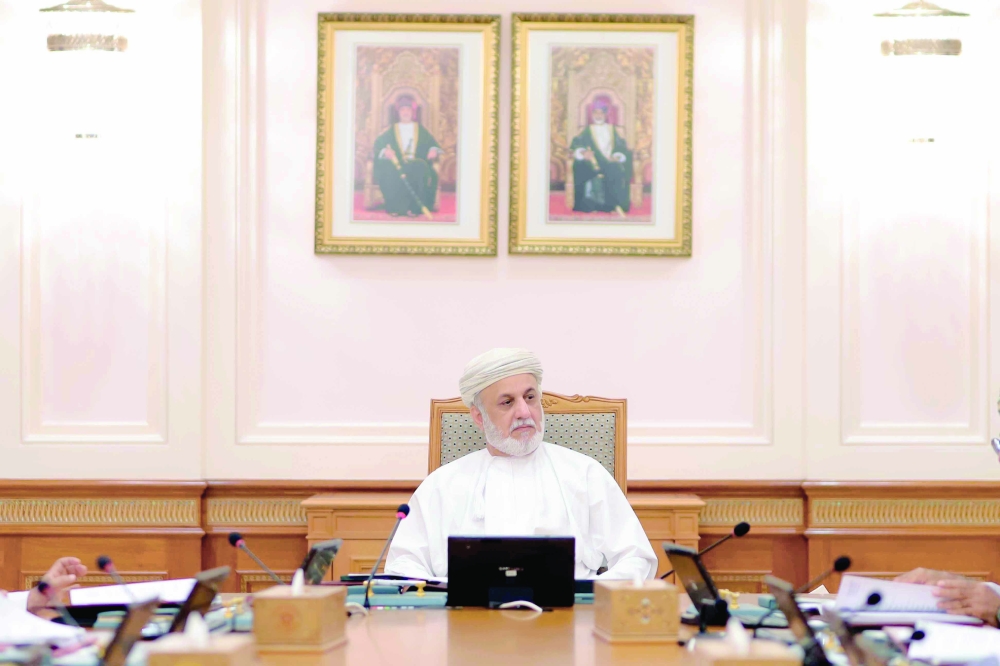
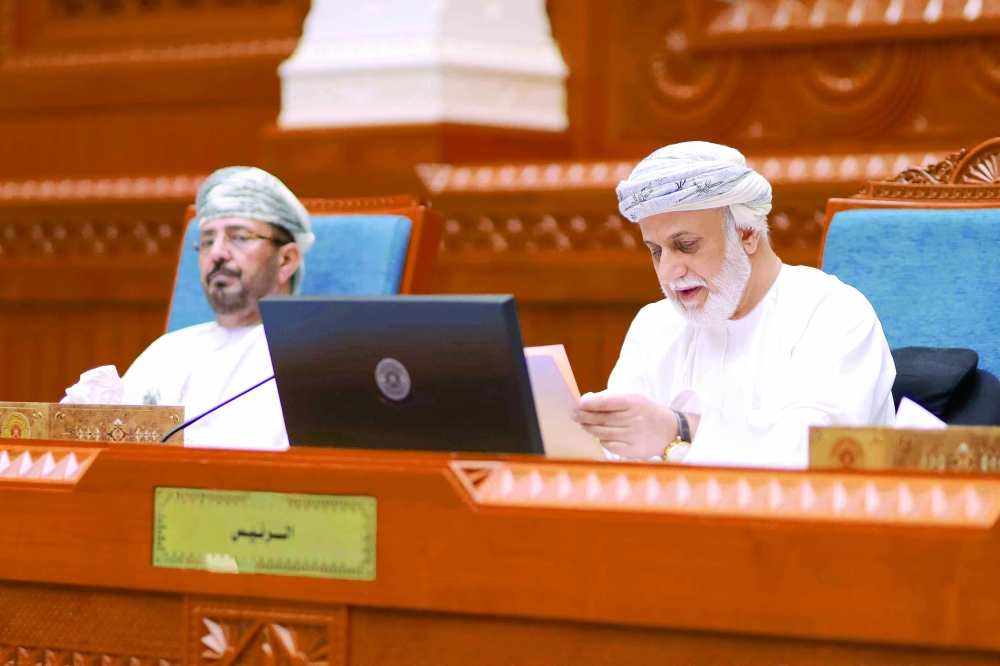
These discussions took place during the fourth session of the third regular sitting of the eighth term, presided over by Shaikh Abdulmalik bin Abdullah al Khalili, Chairman of the State Council.
In his opening speech, the Chairman urged the permanent and special committees to expedite their studies and proposals to ensure they are ready for discussion in upcoming sessions.
He expressed his confidence that the constructive discussions would yield the desired results.
The Council discussed the Legal Committee's opinion on the 'National Geospatial Data and Information Draft Law' in which Sultan bin Matar al Azizi, Chairman of the Committee, explained that the draft law aims to establish a comprehensive framework for developing national policies, standards, and technical specifications governing the collection, production, exchange, and dissemination of national geospatial data and information.
Dr Mohammed bin Sulaiman al Rashdi, a member of the State Council's Legal Committee, stated that the draft law on national geospatial data and information aims to achieve several objectives. “This law will clearly contribute to regulating urban planning in the Sultanate of Oman and will open up broad new horizons for investment in the field of geographic data and information, in line with Oman Vision 2040."
Meanwhile, Dr Amer bin Nasser al Mutani, a member of the State Council’s Economic and Financial Committee, said: “The draft Unified Industrial Regulation Law is a unified Gulf legislative framework concerned with regulating the industrial sector in the Gulf Cooperation Council (GCC) countries and unifying industrial policies to enhance economic integration among member states. The law’s importance at this stage stems from its role in supporting industrial investment, raising the competitiveness of Gulf industries, and keeping pace with modern industrial transformations, thus contributing to economic diversification and creating sustainable growth opportunities.”
The law will provide a clear and continuous regulatory environment by regulating licensing and expansion procedures and protecting investor data, thereby enhancing confidence and encouraging industrial investment.
Regarding the draft Unified Customs Law, Ali bin Mubarak al Amri, a member of the State Council's Economic and Financial Committee, stated that the draft amendments to the Unified Customs Law for the GCC countries were discussed. He indicated that the amendments to this law are an important strategic step to improve the efficiency of customs performance to keep pace with global changes.
The session concluded with a discussion of a study conducted by the Education and Research Committee, entitled 'Enhancing the Quality of Academic Achievement and Mastery of Skills in School Education. Dr Abdullah bin Mohammed al Sarmi, Chairman of the Education and Research Committee, explained that the study aims to determine the reality of the quality of academic achievement and mastery of skills among students in the Sultanate of Oman, based on national and international test indicators, and to evaluate the policies and efforts made by the Ministry of Education in this field across various educational stages, while benefiting from the best international practices.
Dr Rashid bin Saif al Mahrazi, a member of the Education and Research Committee, stated that the study undoubtedly stems from the focus of Oman Vision 2040 on the 'People and Society' pillar, which emphasises education, learning and scientific research. The study reviewed the efforts undertaken by the Ministry of Education to improve the quality of education, specifically enhancing academic achievement and mastery of study skills.
Oman Observer is now on the WhatsApp channel. Click here