




MUSCAT, DEC 20
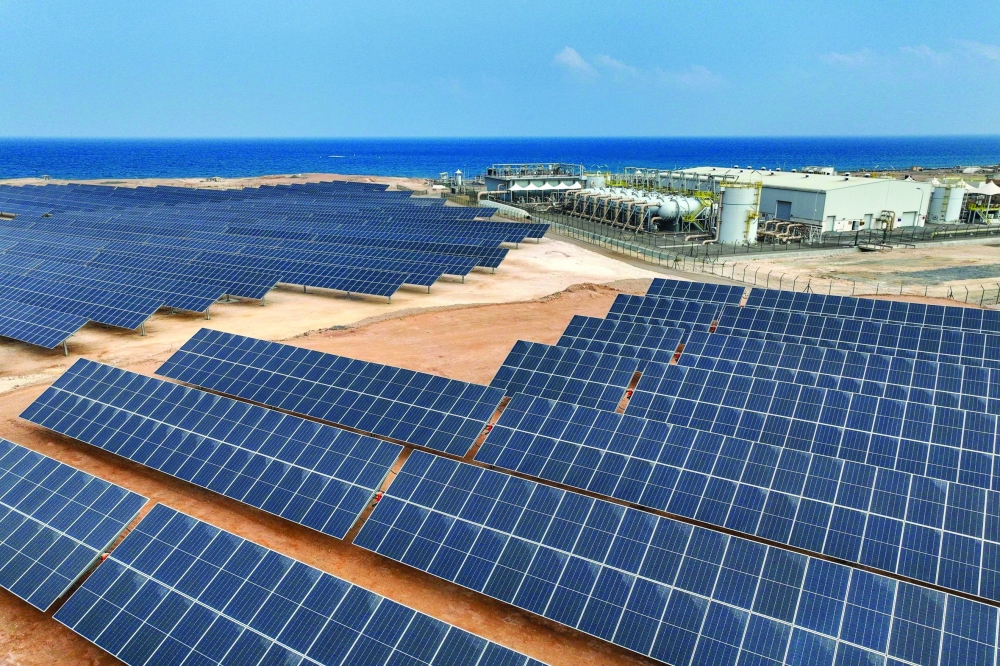
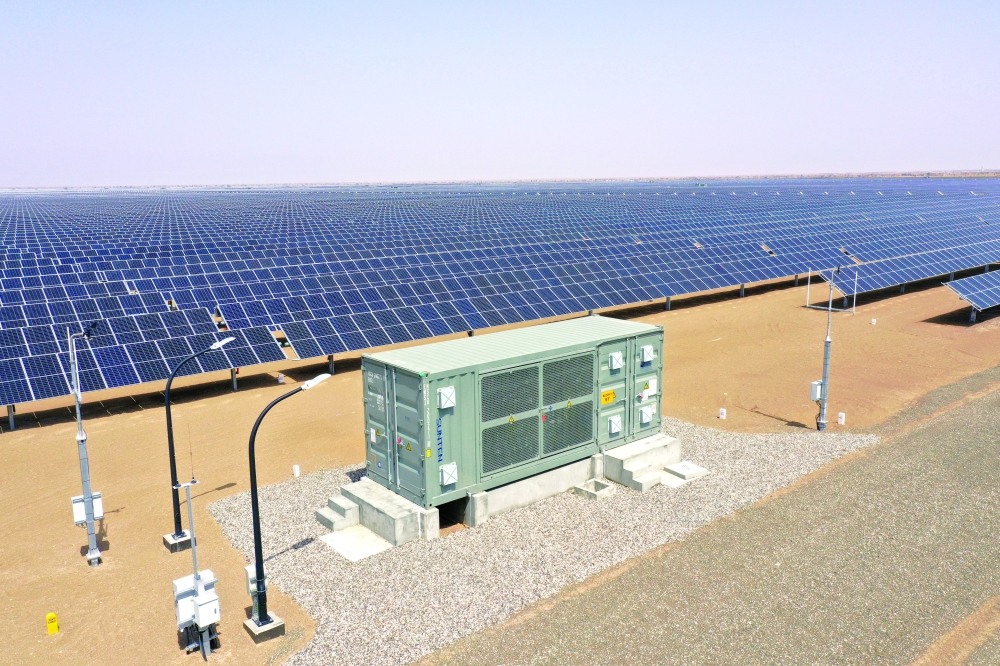
Solar Wadi, one of Oman’s pioneering independent renewable energy companies, is targeting the development of around 500 MWp of cumulative renewable capacity over the next three years, supporting the decarbonisation goals of industrial, commercial and government customers across the Sultanate of Oman.
According to CEO David Kennedy, the largest project currently in the pipeline is a 93 MW solar PV plant under development at Suhar Industrial City. This project is also expected to serve as a blueprint for decarbonising other industrial hubs operating under the auspices of the Public Establishment for Industrial Estates (Madayn).
“We currently have the 93-MW solar PV project at Suhar Industrial City in final development. It is scheduled to reach commercial operations by mid-2026 and is designed to meet around 40% of the energy needs of tenants. Beyond this, our overall development pipeline exceeds 1 GW, with a mandate to deliver approximately 500 MWp of cumulative capacity over the next three years”, Kennedy said.
He added that the long-term vision is to replicate the Suhar model across all 15 industrial cities managed by Madayn. “Cities such as Nizwa and Sur will require up to 30 MW each, while larger hubs like Al Rusayl could need as much as 60 MWp. In total, the Madayn portfolio could require around 300 MWp of solar capacity”, he said to The Energy Year, a UK-based international business news portal.
Solar Wadi, a wholly owned subsidiary of Omani government-backed Naqaa Sustainable Energy, is also exploring opportunities to support the energy transition of large industrial consumers, including steel and aluminium producers, with power requirements ranging from 1 to 50 MW. Work is already underway on several smaller projects — such as installations at Oman Data Park and the Arab Open University in Muscat — with a combined capacity of around 5 MWp and a further 5–10 MWp of commercial and industrial solar projects expected to follow in early 2026, the CEO noted.
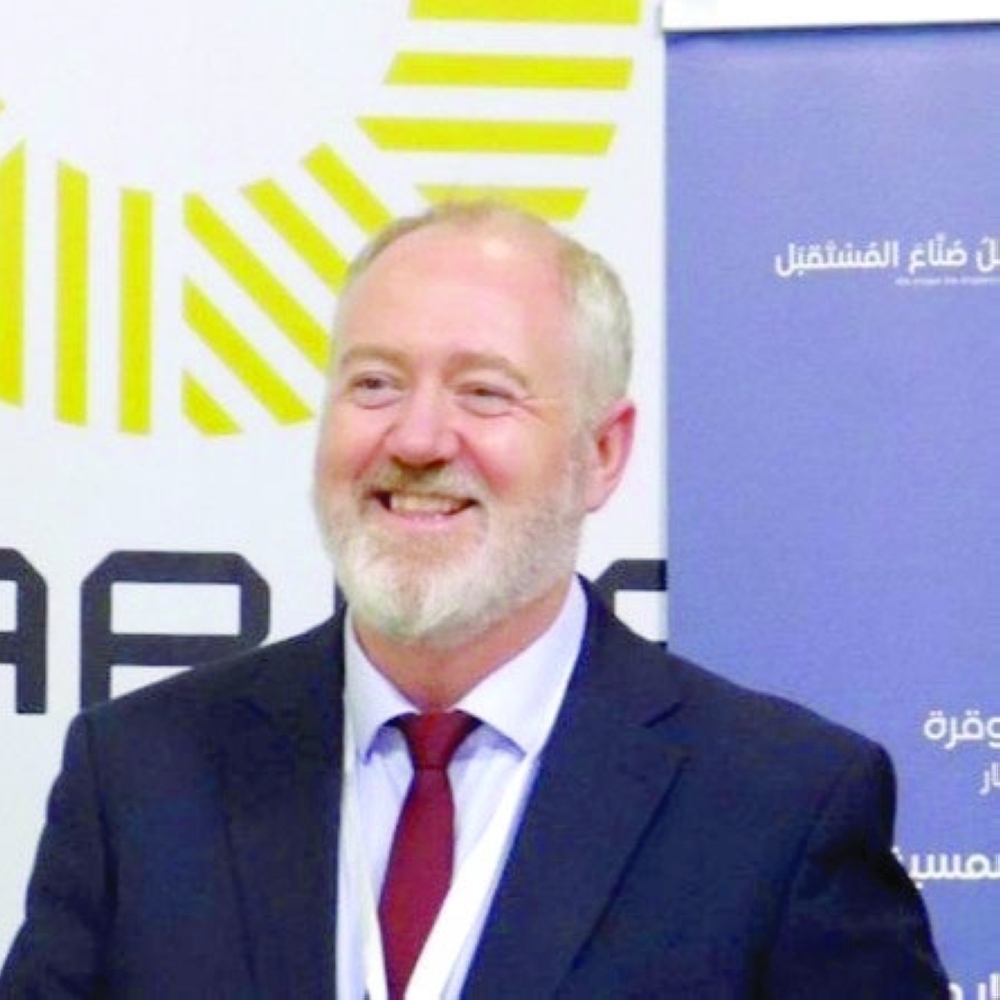
“Our plants can typically supply about 40% of the power needs of industrial facilities operating around the clock and up to 60% for daytime-only operations. This is particularly important for exporters to the EU and the United States, where carbon taxes are being introduced. Reducing carbon footprints is therefore both an environmental and an economic imperative”, Kennedy said.
He also underscored Solar Wadi’s wholly Omani ownership and its role in developing national capabilities in line with Oman Vision 2040. “We are building local capacity through Omanisation and by prioritising local content while adhering to global best practices. As the renewable energy sector is still relatively young in Oman, we partner with experienced international EPC contractors on larger projects, working closely with local EPCs and suppliers to enable knowledge transfer. Over time, our goal is to source the majority of our requirements domestically — an approach that is central to Oman Vision 2040 and critical to creating a self-sustaining renewable energy sector in Oman”, he added.
Oman Observer is now on the WhatsApp channel. Click here