Local manufacturing contributes immensely to the economic growth of Oman. On the economic front, Oman has continuously sought to diversify and minimise its dependence on oil revenues. Economic diversification positions local manufacturing as one of the main pillars of national development. Through domestic manufacturing, Oman aims to generate employment, enhance economic activity and promote economic resilience.
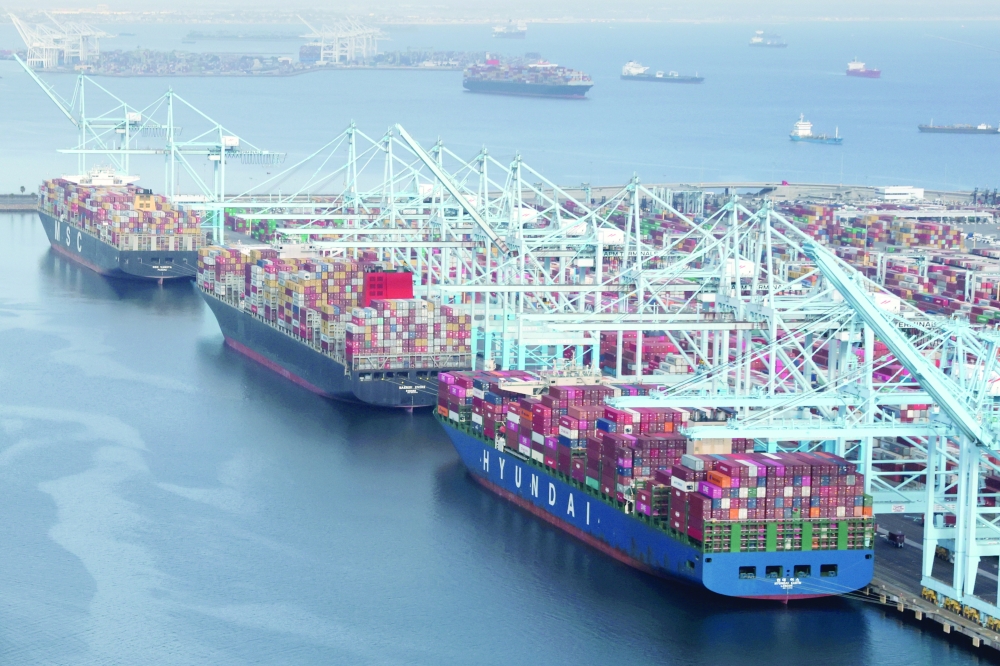
Oman’s manufacturing sector is diversified and includes food processing, construction materials, chemical manufacturing, plastics and metals, textiles and traditional handicrafts. To help attract foreign and local investment, industrial and free trade zones — such as Suhar Industrial Port, the Duqm Special Economic Zone, and Al Rusayl Industrial City — offer reliable and modern infrastructure, efficient logistics and operational incentives that enable manufacturers to operate competitively and efficiently.
Travelling across Oman, one can observe a growing food production industry. The country no longer relies solely on imported goods, as it has become increasingly self-sufficient. Oman has the capacity to produce its own food, including fish and agricultural products. Value addition to raw food products is particularly important, enabling the production of dairy, bottled water, fish products, bread and other essential foods. Oman not only meets domestic demand but is also able to export food products, particularly fish, supported by a strong fishing industry. Local food production is vital for food security, especially during periods of global supply disruption.
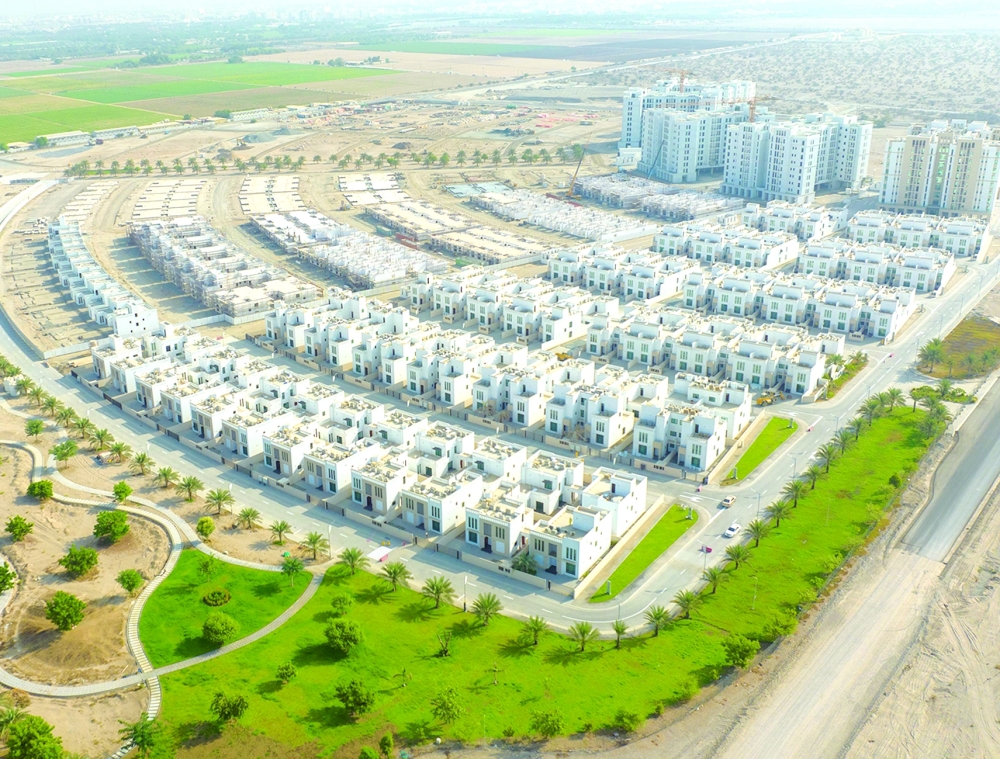
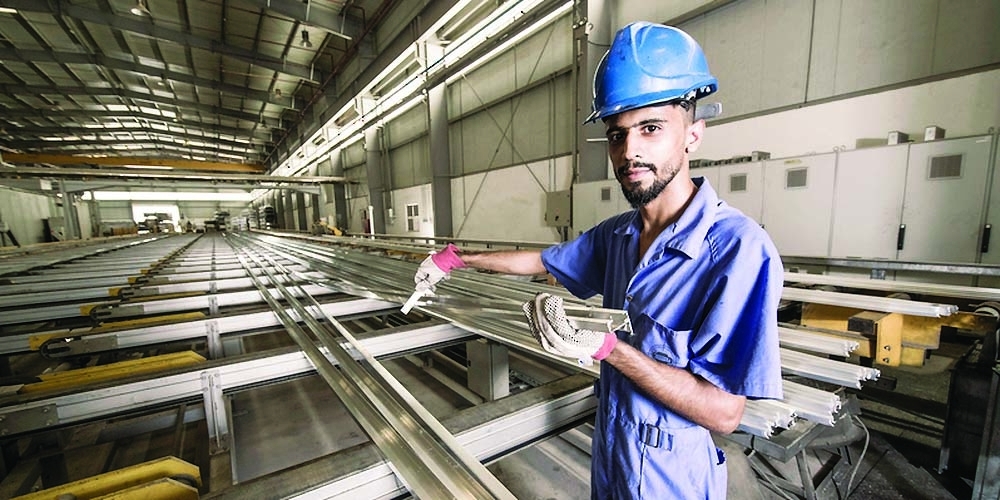
Oman is also self-sufficient in another key area: building materials. The country produces glass, steel, cement, tiles and other construction inputs used in roads and major infrastructure projects. Domestic production of construction materials helps reduce costs, supports local construction activity and creates employment opportunities for Omani citizens, whose participation is critical to national development projects.
Community values are strongly reflected in Oman’s encouragement of Small and Medium Enterprises (SMEs). These enterprises often focus on community-oriented industries such as furniture, crafts and leather goods. Traditional crafts — including pottery and jewellery — are preserved through such initiatives, reinforcing cultural heritage and community identity. The government supports SMEs by facilitating access to finance and markets, as well as providing training and capacity-building programmes.
The promotion of consumer awareness through “Made in Oman” initiatives further stimulates the local economy and creates employment opportunities. Oman Vision 2040 encourages greater innovation, sustainability and increased participation of Omanis in industrial activities. While some finished goods continue to be imported, Oman has made durable progress in strengthening local manufacturing capabilities. Challenges remain, including competition from low-cost imports, shortages of skilled labour in specialised fields and technological gaps. However, the increasing adoption of renewable energy and environmentally friendly practices is creating a strong foundation for sustainable industrial growth.
A key strategy for strengthening manufacturing is the diversification of outputs. This reduces reliance on a single product and lowers economic risk, while reinforcing self-reliance. With continued government support, technological advancement and rising consumer awareness, Oman’s manufacturing sector is well positioned to contribute significantly to sustainable economic development and to foster greater national pride in locally made products.
Oman Observer is now on the WhatsApp channel. Click here