The global electricity system is undergoing its fastest transformation in decades and new data from Ember Energy suggests the shift is no longer gradual. According to Ember’s Global Electricity Review 2025, clean electricity sources generated 40.9 per cent of global power in 2024, marking the first time since the 1940s that non-fossil sources crossed the 40 per cent threshold. At the centre of this change are solar and wind, which together are reshaping energy systems at a pace few regions can afford to ignore.
While much of the growth is driven by China, Europe and the United States, the implications for the Gulf and for Oman in particular, are increasingly significant. As electricity demand rises alongside industrial expansion, desalination and cooling needs, the data points to renewables not just as climate tools, but as strategic infrastructure for long-term energy security.
Ember’s analysis shows that solar and wind accounted for the entirety of global electricity demand growth in the first half of 2025, effectively preventing an increase in fossil fuel generation during that period. Solar alone added more new electricity than any other power source for the third consecutive year, with global solar generation nearly doubling over the past three years. In 2024, solar supplied approximately 6.9 per cent of global electricity, while wind contributed 8.1 per cent, together surpassing hydropower’s annual contribution for the first time.
For Gulf countries long defined by hydrocarbon dominance, these figures reinforce the reality of a changing global energy economy. Electricity demand across the Middle East continues to grow faster than the global average, driven by population growth, industrialisation and energy-intensive water systems. At the same time, rising temperatures place increasing strain on power grids during peak summer months.
Solar’s rapid scalability makes it particularly relevant for the region. Global solar capacity installations surged by 64 per cent in the first half of 2025 compared to the same period in the previous year, highlighting how quickly new capacity can be deployed when policy frameworks and investment conditions align. For Gulf states, this presents a viable pathway to meet rising demand without locking in long-term fossil generation assets.
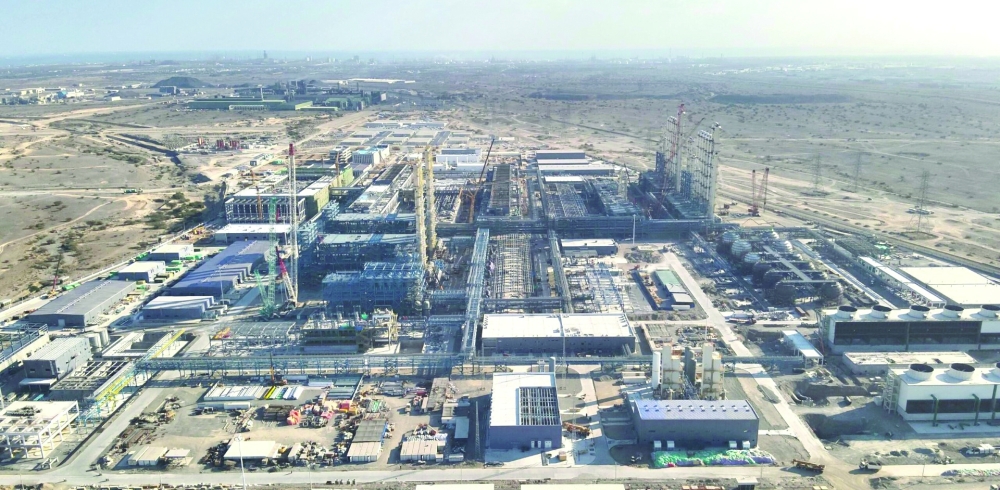
Oman has already signalled its intention to diversify its energy mix through utility-scale solar projects, independent power producers and long-term net-zero ambitions. The global trends identified by Ember reinforce the strategic logic behind this direction. As electricity systems increasingly decouple demand growth from fossil fuels, countries that invest early in clean generation stand to gain both economically and in terms of energy resilience.
The report also highlights that capacity growth alone is not enough. Grid flexibility, energy storage and demand management will determine how effectively renewable capacity translates into reliable power supply. For Oman, this aligns with growing interest in battery storage, hybrid solar-gas systems and digital grid management to support industrial zones, desalination facilities and expanding urban centres.
Perhaps the most striking insight from the data is the scale of momentum behind clean power. In 2024 alone, renewables added a record 858 terawatt hours of electricity, nearly 50 per cent higher than the previous record set in 2022. This level of growth suggests renewables are no longer competing at the margins of the energy system, but are increasingly shaping its core.
For Oman and the wider Gulf, the message is increasingly clear. Renewable energy is no longer simply an environmental commitment. It is becoming the most practical, scalable and economically resilient option for meeting future electricity demand. The figures indicate that the global energy transition has entered a decisive phase and the regions that align early with its trajectory are likely to shape the power markets of the decade ahead.
Oman Observer is now on the WhatsApp channel. Click here