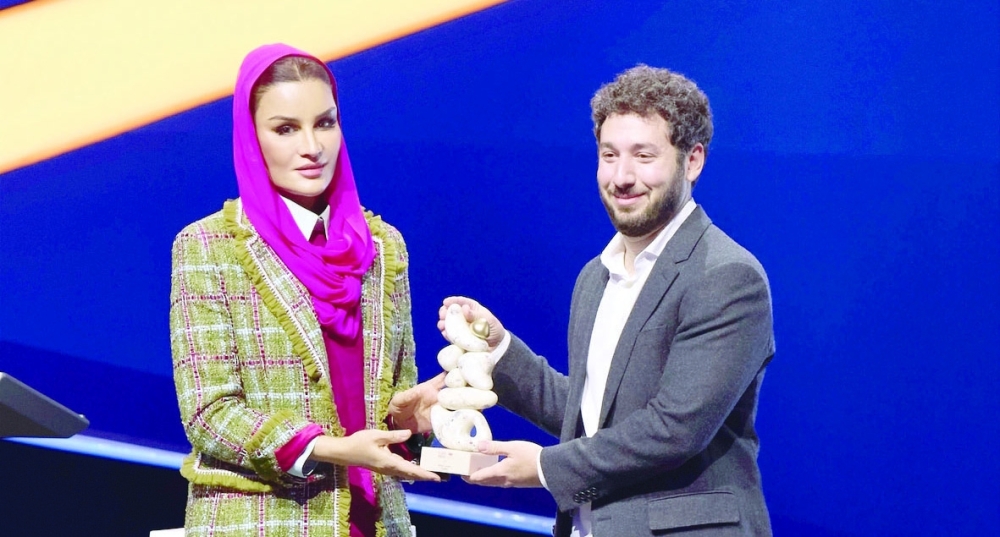





The TUMO Center for Creative Technologies, an Armenian tuition-free after-school programme, has been named the top winner of the 2024-2025 World Innovation Summit for Education (WISE), receiving $500,000 for its AI-powered learning platform. The award, presented by Shaikha Moza bint Nasser, Chairperson of Qatar Foundation, recognises organisations that are transforming education globally.
TUMO’s AI co-learner platform empowers teenagers to take charge of their learning in technology, design, and creative problem-solving. Pegor Papazian, Chief Development Officer, said, “Being honoured with the WISE Prize is deeply meaningful. Over 12 months, the process sharpened our focus, accelerated development, and connected us with an invaluable network of peers. Our AI co-learner platform is transforming how young people learn, making education more accessible, adaptive and impactful.”

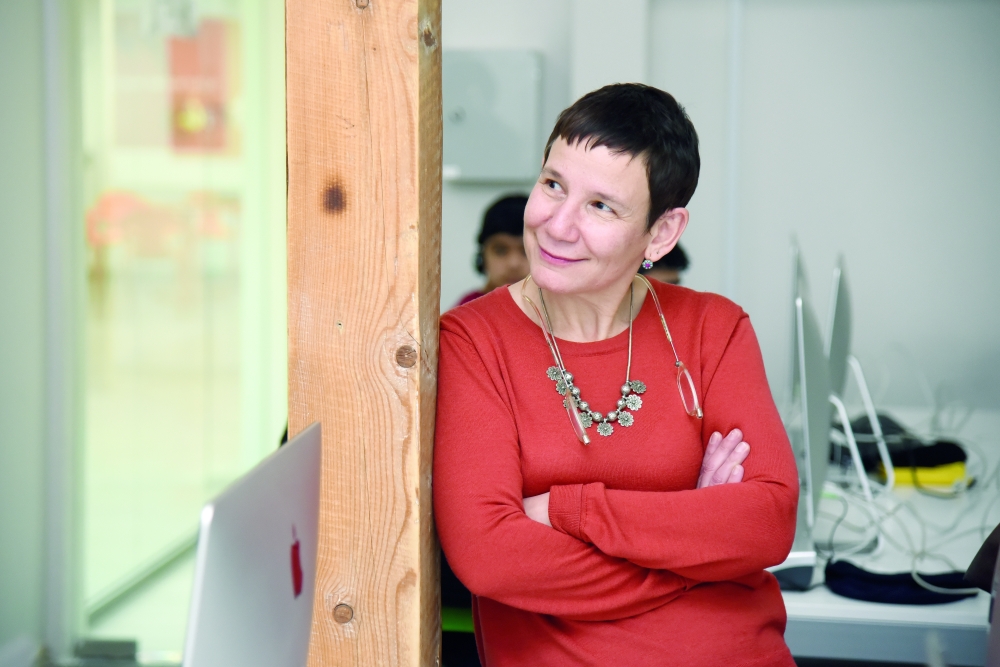
Marie Lou Papazian, founding CEO of TUMO, oversees its tuition-free, project-based model that puts teens at the centre of their own learning. In an email interview with Observer, she explains the philosophy, impact, and future vision of TUMO.
After winning the WISE Prize, how has your vision for the future of learning evolved?
Winning the WISE Prize did not change our direction - it confirmed it. We were already working with global platforms to test how our model functions across different cultures, economies, and education systems. What the recognition did bring was a clearer sense of responsibility: to scale thoughtfully, stay rigorous in our approach, and make sure advanced education remains accessible, no matter where a young person is born or what their background is.
You emphasise that AI in education must be human-centred, rigorous and inclusive. How does TUMO turn this philosophy into practice?
At TUMO, AI is built to support learning, not replace it. Our AI co-learner adapts to each student’s pace and context and works through dialogue, not instructions. Day to day, this turns AI into a tool for thinking, experimenting, and creating.

We’re not trying to produce passive AI users. Our aim is to develop ‘superlearners’ - young people, who understand how AI works, can direct it, question it, and use it creatively. In this setup, AI becomes a learning partner, helping students build agency, reflection, and independent reasoning.
TUMO puts teens in charge of their own learning. What fundamental shift must the world make?
The key shift is from instruction-driven education to agency-driven learning. At TUMO, walk-away pedagogy means we do not manage teens through constant supervision. We give them real responsibility over their learning paths and step back deliberately so they can step up. When learning is a choice rather than an obligation, responsibility follows naturally - and that is what fuels intrinsic motivation. Education systems need to be built on trust, autonomy, and self-direction, not on compliance.

What surprising insights have emerged from the AI co-learner model?
One of the most noticeable changes has been emotional. Students are less intimidated and much more willing to experiment and make mistakes. A particularly strong dynamic is learning-by-teaching. When a student masters a concept, the AI deliberately fails to apply it and asks for help. Explaining it back reinforces understanding. The AI behaves more like a responsive peer - one students can correct, challenge, and learn alongside - which builds confidence and clarity.
How do you ensure students understand AI’s limits and ethics?
We do not hide AI’s weaknesses. Students work directly with its limitations, biases, and errors. They explore data dependency, algorithmic failure, and ethical boundaries through hands-on experimentation. This helps them develop a critical relationship with technology rather than blind trust.
What shows you that a TUMO centre is truly transforming a community?
You see it when behaviour changes around young people. Parents start trusting teens’ decisions, and learning becomes a shared priority rather than something that needs constant supervision.
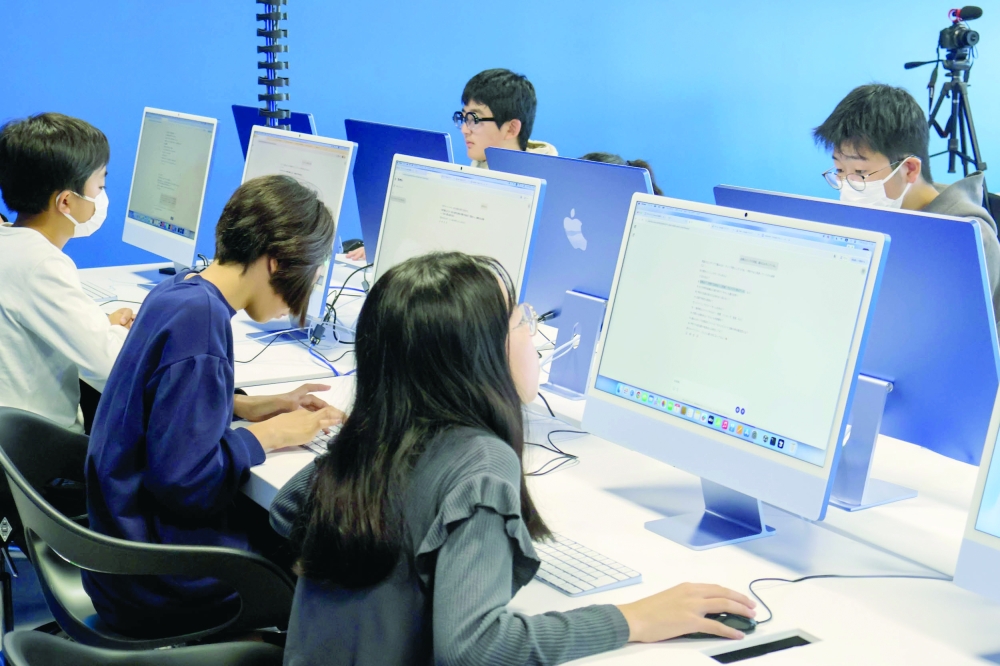
Among students, it is clear when they begin initiating projects, forming teams, and working on real problems. At that point, TUMO becomes more than a learning space - it turns into a local creative and economic ecosystem.
What does true educational equity mean to you?
Educational equity means access to high-quality learning is not determined by income, geography, or background. Opportunity should function as a public good.
At TUMO, we show that advanced education can be free and sustainable at scale. Equity also means equal exposure to tools, critical thinking, creativity, and the ability to shape one’s future.

How is TUMO preparing teens to remain inventive in an AI-driven world?
Students learn to work with AI as a collaborator, not a shortcut. They question, test, and refine AI outputs instead of simply accepting them. This protects originality and problem-framing skills. We focus on adaptability, interdisciplinary thinking, and creative ownership so students remain inventors of solutions, not just operators of tools.
What role can TUMO play in the Arabian Gulf?
The Gulf is investing heavily in AI, youth development, and knowledge-based economies. TUMO can act as a long-term partner in building human-centered AI education ecosystems. By combining creativity, advanced technology, and free public access, TUMO can help develop inclusive talent pipelines aligned with national development strategies.
Oman Observer is now on the WhatsApp channel. Click here