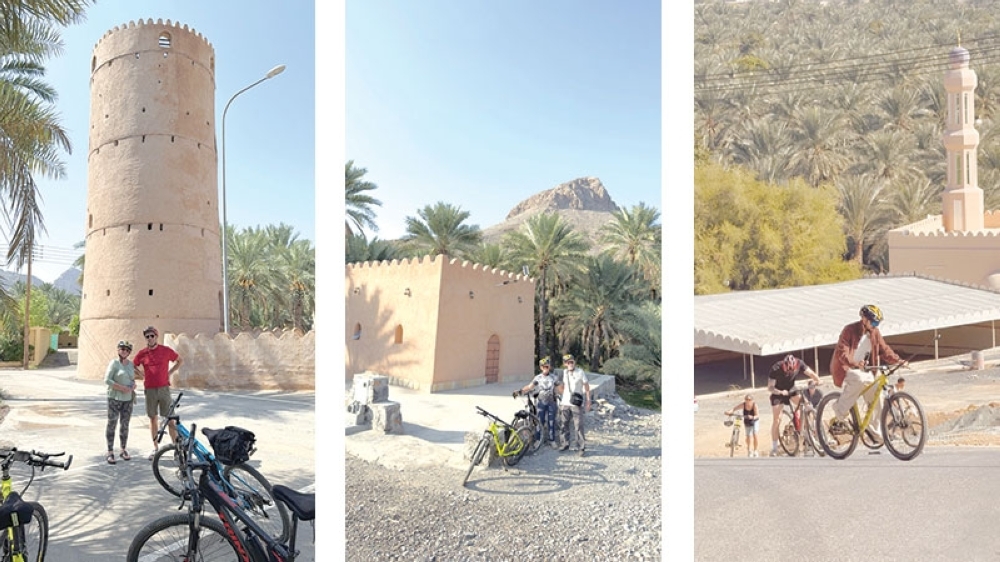





In the Wilayat of Al Hamra, amidst the mountains and farms that rely on aflaj as a primary source of life, a tourism experience sets off as simple in concept, yet profound in meaning. It is an experience that goes beyond cycling or covering a specific distance, offering visitors the opportunity to truly get to know the place and understand its details as they are lived daily by its people.
This tour presents a unique model of tourism, where the route becomes a space to introduce the history of Oman and the region, discuss the aflaj and irrigation systems, ancient villages and the way people live, along with their customs and traditions. The journey does not move at road speed; instead, it pauses for stories, information and experiences that cannot be found in books or on websites.
At a time when many tourism activities have become similar across destinations, this tour comes to reaffirm that the value of a journey is not measured by distance, but by the knowledge the visitor gains and the authentic experience they live delivered in the voices of the people of the place and remembered long after the journey ends.
Alaa al Subhi explained that this activity is organised by Canyon Adventure Tours, one of the tourism initiatives that combine physical activity with a cultural dimension at the same time. He noted that the tour distance usually reaches around 20 kilometres, but remains flexible and depends on the guest’s fitness level, as it can be reduced or extended to suit participants’ abilities.
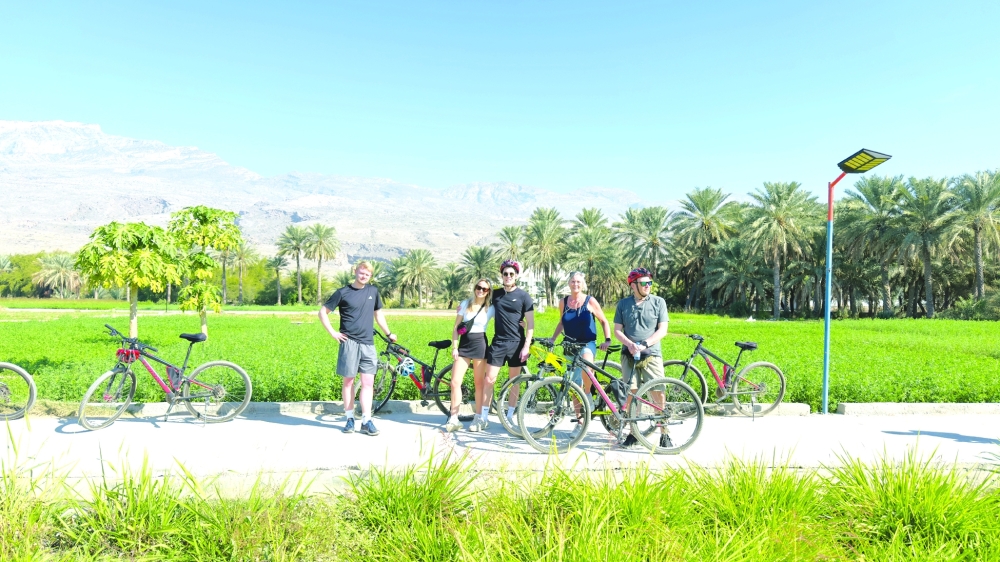
Al Subhi clarified that the starting point is Al Hamra Centre (Al Hamra City Centre), which is considered the heart of the city and a suitable meeting point to begin the journey, before setting off along a carefully designed route that passes through several important natural and historical sites.
He stressed that the goal of the tour is not limited to practising a sporting activity, but goes further to become a comprehensive cultural journey, during which participants are introduced to the history of the Sultanate of Oman in general and the history of the region in particular, in addition to highlighting customs and traditions that remain present in the details of daily life.
He added that the tour includes stops within farms, where participants learn about the types of aflaj, traditional irrigation systems, mechanisms for water distribution and water shares; and their vital role in sustaining agriculture over hundreds of years. The participants then head to the old village, which carries many historical indications in its details, in terms of its urban and defensive planning, types of traditional houses and how the settlement was designed to protect its residents and adapt to the nature of the place.
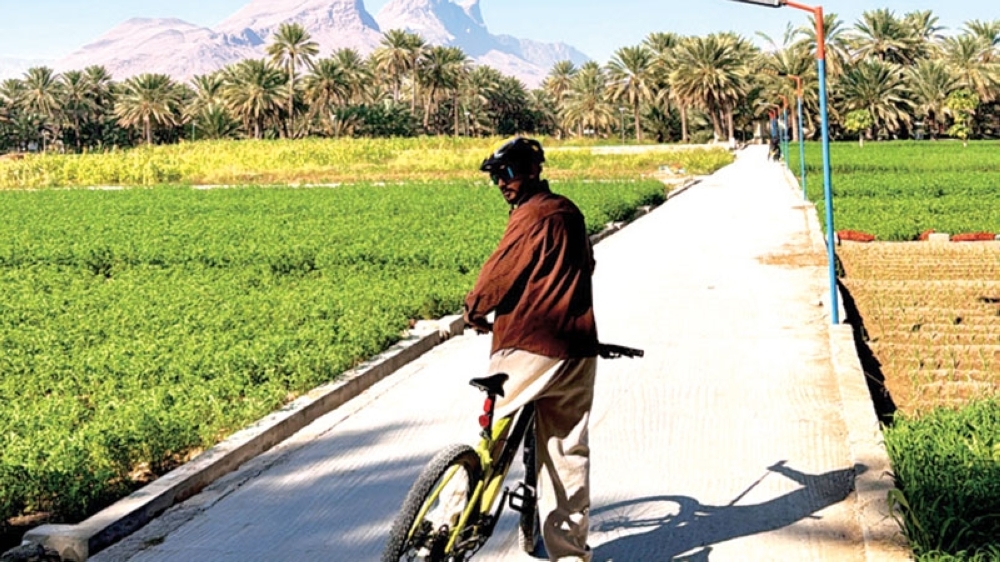
Al Subhi pointed out that these aspects are what make the tour unique. It's not simply a sporting activity; anyone can ride a bicycle on public roads. The real difference lies in it being a sports and cultural tour led by specialised local guides who possess the knowledge and ability to narrate the history of the region and convey the details of its customs and traditions vividly and engagingly.
He emphasised that safety is a top priority in these tours, with a trained team available to handle various emergencies and potential accidents. All participants are required to wear safety helmets, first-aid kits are always available and a designated person is on standby to intervene in case of any emergency.
Al Subhi concluded by noting that these tours began in 2016 and 2017 and have continued to this day, with growing interest from visitors due to the distinctive experience they offer, blending sports and culture. He affirmed that the information provided during the journey cannot be found on websites, in newspapers, or in magazines, as it is conveyed by local people who live these details every day and share a part of their lifestyle with visitors, including traditional Omani food and some local products such as perfume oils, allowing tourists to leave with an authentic and well-rounded experience.
Oman Observer is now on the WhatsApp channel. Click here