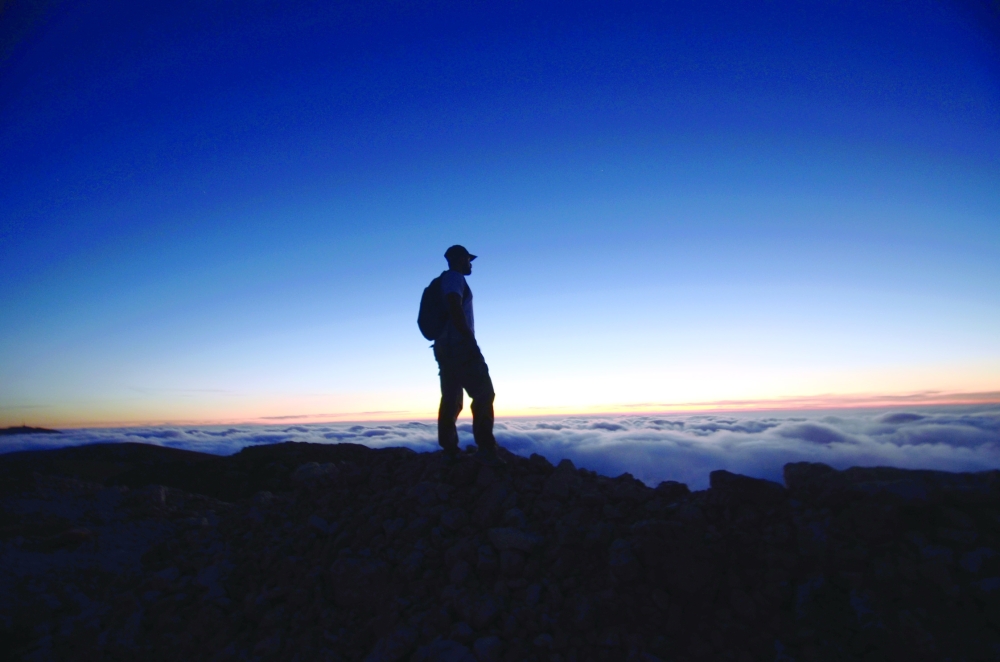





Hiking through the Al Shouf Cedar Nature Reserve in Mount Lebanon, the ecotourism expert followed a trail that led to the top of the hills covered by Lebanon’s emblematic millennium cedar trees.
After walking for hours, the group reached the summit where they had a treat for the eye and the soul.
A breathtaking panoramic view of the Bekaa valley to the east and the Mediterranean coastline to the west unfolded in front of their bewildered eyes.
“I have been trekking for the last 37 years. Love of nature has always called me”, said Bishara with a big smile. “I like to share with people the hidden natural beauties of the country and make them understand the importance of respecting and protecting such treasures”.
Varied terrain, scenic vistas, and historic environs combine to create unique hiking and trekking opportunities in Lebanon, an activity that has become increasingly popular among Lebanese and foreigners in need of a break from Beirut’s concrete jungle.
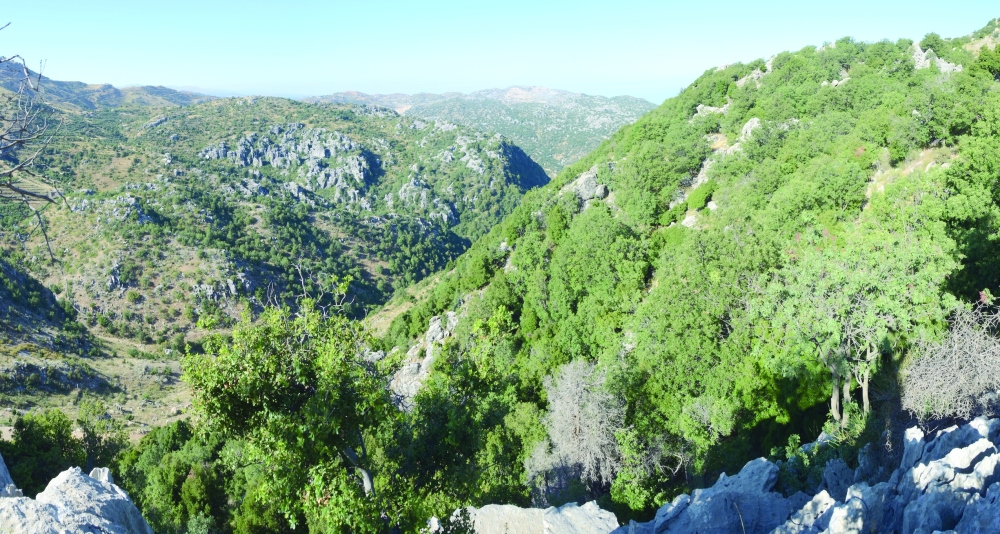
The Al Shouf Cedar Reserve, which stretches over 550 square kilometres at an altitude of 1,200-1,950 metres above sea level, is among Lebanon’s most attractive trekking spots, with highly preserved flora and fauna. Located deep inside the Druze heartland of the Shouf, the area was preserved during the 1975-1990 civil war by the special efforts of Druze leader Walid Jumblat.
Declared a nature reserve in 1996, it is the country’s largest protected environment and only biosphere reserve, containing 500 plant species, of which 50 are endemic to Lebanon. It also has 2 million trees of 24 species and harbors 200 types of birds, 32 species of mammals, and 27 species of reptiles.
“I enjoy spending the night outdoors in this 5-billion-star hotel listening to the wind”, Bishara said while looking at the stars above.
“We have to teach our children how to love, respect and enjoy real values and protect Mother Nature”, he said.
The sky turned orange and then purple as the sun went down behind thick clouds over the Mediterranean. The dim lights of the remote villages in the Valley sparkled from afar, as the full moon rose from behind the anti-Lebanon chain of mountains.
Bishara served the trekkers Lebanese cheese sandwiches before starting the descent to the gate of the reserve. The light of the moon was strong enough to walk without headlamps.
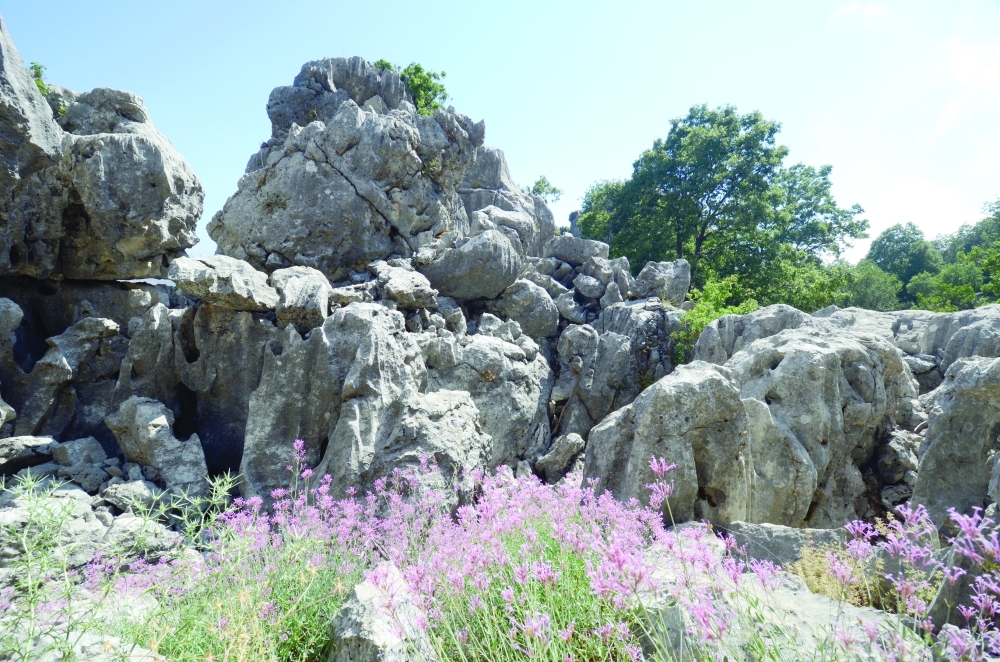
“I am sure that anyone would enjoy this kind of trip. People need to come out of their daily habits and enjoy the simple joys of life”, said Bishara.
Jabal Moussa, Arabic for 'Moses’ mountain', is another paradise for nature lovers, located in the Kesrouan-Jbeil area north of Beirut. Surrounded by two small rivers — Nahr Ibrahim and Nahr Ed Dahab — Jabal Moussa spans an area of 12 million square metres at altitudes of 300-1,600 metres above sea level.
It is a green island amidst the sea of concrete that Lebanon has unfortunately become”, said Cesar Abi Khalil, co-founder of the reserve and member of the Association for the Protection of Jabal Moussa.
Trekkers have the choice of six trails with varying steepness, difficulty and distance. One trail is about a one-hour walk, another is two hours, whereas the longest, which goes around the mountain, takes up to five or six hours.
The reserve, which hosts a number of endemic plants and is home to many mammals, including hyrax, wolves, wild boars and hyenas, is also a sanctuary for migrating birds. Its mascot, 'Tabsoun', is a particular type of castor that is only found there.
A particularly difficult trail starts from the valley and leads up the mountain, following goat tracks that snake through a splendid forest of oak, pine, wild pear and wild apple trees.
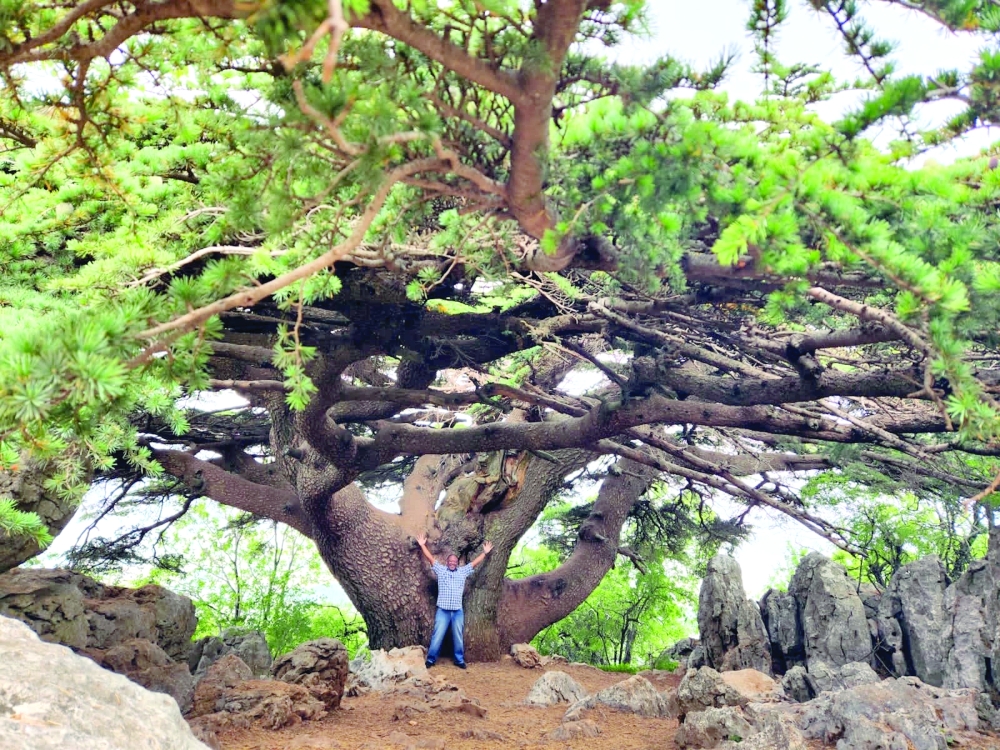
On the way, trekkers can admire the remains of a Roman staircase and inscriptions dating to the second century AD.
The sanctuary came into being thanks to the initiative of a group of environment activists led by Pierre Doumit, a wealthy naturalist.
In addition to preserving the ecology, the creation of the reserve attracted more visitors to the area, benefitting the local communities. Many residents turned their homes into guesthouses and others into inns where visitors can taste traditional cuisine. The association also set up a common kitchen where traditional food is sold.
The reserve has attracted more than 6,000 visitors in a couple of years. “People are now coming here especially to visit Jabal Moussa, injecting some life and economic activity in the region”, he added.
There are many trekking clubs and tour operators that run guided outings throughout Lebanon, ranging from leisurely day hikes to longer multi-day treks.
Oman Observer is now on the WhatsApp channel. Click here