As automation and AI transform manufacturing, energy — not labour — has become the decisive input. If the last century rewarded cheap hands, the next will reward abundant, reliable electrons. Oman is well positioned to turn power into prosperity — exporting not only molecules, but also metals, data and ideas.
Across the twentieth century, nations competed primarily on wages. Factories migrated to wherever labour was cheapest and logistics stitched the world into a vast assembly line. That era is ending. Automation, robotics and artificial intelligence have pushed the labour share of manufacturing sharply down. The new binding constraint is electricity — firm, scalable, cost‑stable power that runs machines and, increasingly, trains models. In the coming decade, competitiveness will be determined less by how many hands you can hire and more by how many megawatts you can marshal.
Look at the global scoreboard. China sits atop the league of electricity producers, adding the equivalent of a major European economy’s consumption in new power each year. The United States remains a giant, yet many of its most attractive industrial regions face grid congestion and long interconnection queues. India is rising fast but must first meet massive domestic needs. Meanwhile, countries with firm, low‑carbon baseload — France with nuclear, the Nordics with hydro — are quietly converting surplus electrons into export advantage. The lesson is simple: power availability, stability and price increasingly shape where the next wave of industries will land.
The biggest demand catalyst is the ‘compute shock’. Data centres and AI clusters are no longer a marginal load; they are fast becoming the new baseload. A traditional rack might draw a few kilowatts; AI racks can draw tens of kilowatts each and whole campuses now seek hundreds of megawatts — today, not five years from now. Technology firms are hunting the world for places that can deliver immediate capacity, credible green composition and headroom to scale to gigawatt campuses. Where abundant power is available at predictable prices, investment follows.
Oman enters this moment with structural advantages. Our power system is modern, well‑regulated and increasingly diversified. Generation has grown steadily while efficiency and tariff reforms have moderated demand growth. Utility‑scale solar and wind are now part of the mix, backed by reliable gas‑fired capacity and a strengthening transmission backbone. On a per‑person basis, Oman enjoys significantly higher electricity availability than many larger manufacturing economies, which means we possess true ‘energy headroom’ — the ability to host new industries without compromising household and commercial supply.
Crucially, the outlook points to a widening surplus window. On current trajectories, installed capacity is set to outpace peak demand through the latter half of the decade, creating several gigawatts of theoretical surplus by 2030 even after prudent reserve margins. That is not an accounting curiosity; it is a development instrument. Energy can be treated as a raw material — converted into higher‑value exports in metals, chemicals and digital services. In other words, instead of merely exporting fuels, Oman can export embodied electricity.
This is where ‘dark industries’ highly automated, lights‑out operations enter the picture. Data centres for AI training and cloud services are the quintessential dark industry: capital‑intensive, power‑hungry and employment‑light on the floor but heavy in indirect benefits (construction, maintenance, connectivity, cloud ecosystems). Electro‑intensive materials including aluminium and advanced copper products fit the same logic: they turn low‑cost, reliable electricity into globally traded goods. Green hydrogen and ammonia, produced via electrolysis, convert surplus daytime solar into exportable molecules. Desalination and cold‑chain logistics, timed to renewable peaks, strengthen food and water security while soaking up cheap power.
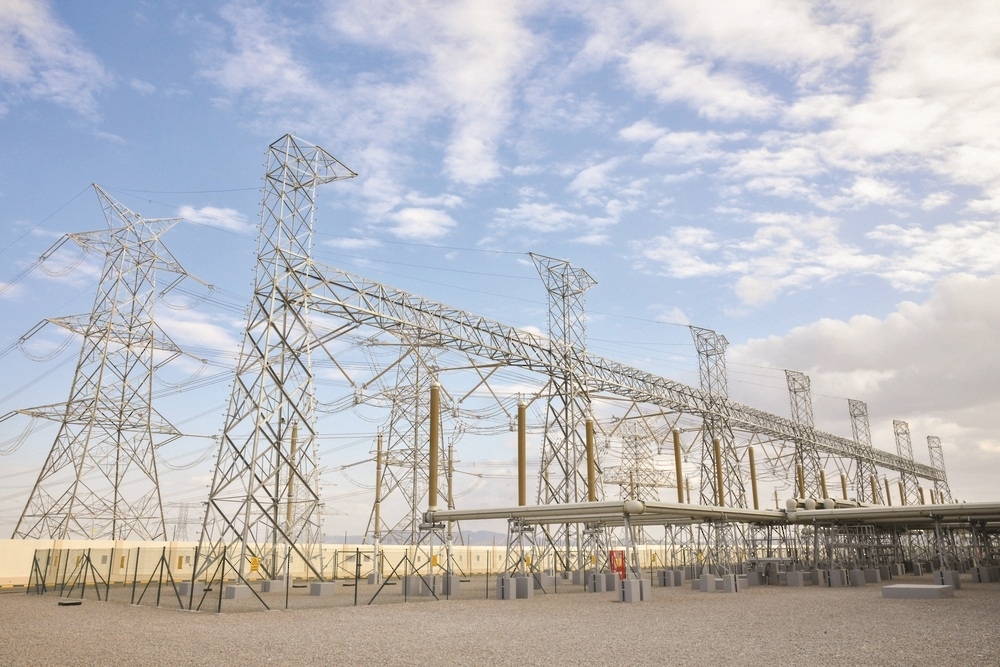
To capture this opportunity, we should move from potential to bankability. Four practical steps will accelerate investment. First, offer guaranteed 24/7 clean‑power products in our industrial zones — renewables bundled with storage and firming gas — sold through transparent long‑term contracts (PPAs) tailored to electro‑intensive users and hyperscalers. Second, deepen the wholesale market and wheeling framework so large buyers can source dedicated renewable supply on contract while using the grid as a highway. Third, fast‑track transmission projects and hybridise existing gas plants with grid‑scale batteries to improve ramping and reserve margins. Fourth, develop true power‑ready land parcels at Suhar, Al Duqm and Salalah, with pre‑permitted sites, substation access, water and fibre — so investors can move from MOU to ground‑break without delay.
Policy design matters. Green‑premium products can steer flexible loads, such as AI training jobs and electrolysers, towards midday solar peaks, lowering system costs and emissions. Co‑location synergies, data centers next to hydrogen parks, for example — allow shared interconnection, backup and heat‑recovery options. Clear, bankable sustainability attributes (hourly matching, credible certificates) will ensure that Omani electrons meet the strict decarbonisation commitments of global clients. The outcome is an ecosystem where firm, clean power is the calling card and industrial users are the anchor tenants funding grid expansion for everyone.
This agenda aligns squarely with Oman Vision 2040. By monetising electrons at home, we retain more value from our gas, accelerate renewable deployment and build a platform for high‑productivity jobs in engineering, digital operations and advanced manufacturing. It is also a sober, responsible path: abundant clean power reduces the carbon intensity of our exports and strengthens our licence to operate in an increasingly carbon‑conscious marketplace. Training and upskilling Omanis to run these critical infrastructures — control systems, cybersecurity, power market operations — must be integral to the plan.
The choice before us is not whether to pursue energy‑intensive growth, but whether to lead it. The countries that can reliably deliver low‑cost megawatts at scale will write the industrial map of the 2030s. Oman has the plan, the resources and the vision. Let us now commit to a simple national proposition: when an investor needs 100 megawatts of clean, round‑the‑clock power on a bankable contract, Oman can say ‘yes’ — and deliver. If we do, the kilowatt will become our comparative advantage and electricity the bridge between today’s hydrocarbons and tomorrow’s diversified prosperity.
Oman Observer is now on the WhatsApp channel. Click here