




MUSCAT, DEC 14
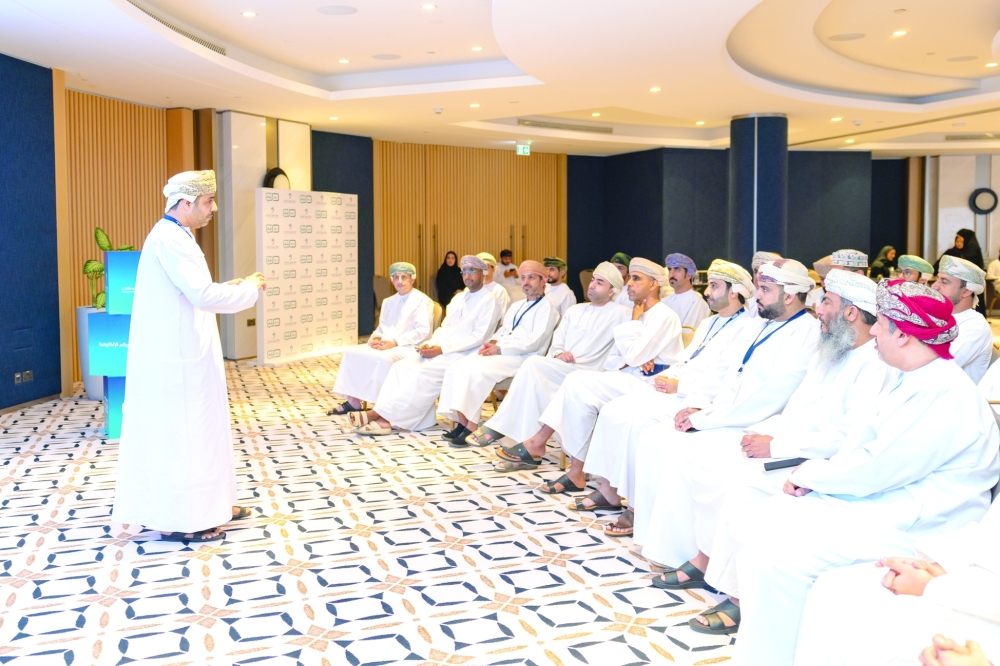
The Telecommunications Regulatory Authority (TRA) on Sunday organised a dialogue session with consumers, part of the "Constructive Dialogue" initiative, to discuss the phenomenon of electronic fraud and the challenges posed by the sharing of unlicensed networks.
The initiative aims to enhance direct dialogue with the community, build a more secure and trusted telecommunications environment, and improve service quality by involving the community in formulating regulatory and oversight solutions.
Eng Ahmed bin Hassan al Hadabi, official spokesperson for the TRA, stated: "This dialogue session, with the participation of various segments of society, aimed to shed light on the issue of electronic fraud. The TRA is committed to continuing its efforts to raise awareness among users of telecommunications and technological services, which have become widespread and present in every sector." Rashid bin Salem al Salmi, CEO of Inside Oman Company, explained that AI-powered fraud attacks, specifically non-random AI-driven attacks, constitute 80 per cent of all cyberattacks. These include online marketing and fake offers, random attacks aimed at hacking, data collection for profit, and targeted attacks against individuals and organisations. Al Salmi further stated that AI enhances the scope, speed, and sophistication of attacks in terms of attack techniques, process automation, and deepfakes.
The session addressed the sharing of unlicensed networks, starting with the clarity of the legal definitions for these practices, moving through the adequacy of current penalties and fines, and concluding with the security risks they entail. Participants also touched upon the impact of these networks on the quality of telecommunications services.
The meeting also covered cyber crimes and modern fraud methods, reviewing the techniques employed by fraudsters to obtain data or deceive users, and discussing expected future patterns in light of the evolution of digital crime tools. The session further discussed the readiness of concerned authorities to deal with these cases, the effectiveness of current regulatory frameworks in closing loopholes that fraudsters might exploit, and prevention methods and the level of community awareness. Participants debated the capacity of prevailing digital awareness to reduce the number of fraud victims.
The meeting concluded with a presentation summarising the discussions and proposals, in the context of the Telecommunications Regulatory Authority’s efforts to build a more secure and trustworthy communications environment, and to improve the quality of services by involving the community in formulating regulatory and supervisory solutions.
Oman Observer is now on the WhatsApp channel. Click here