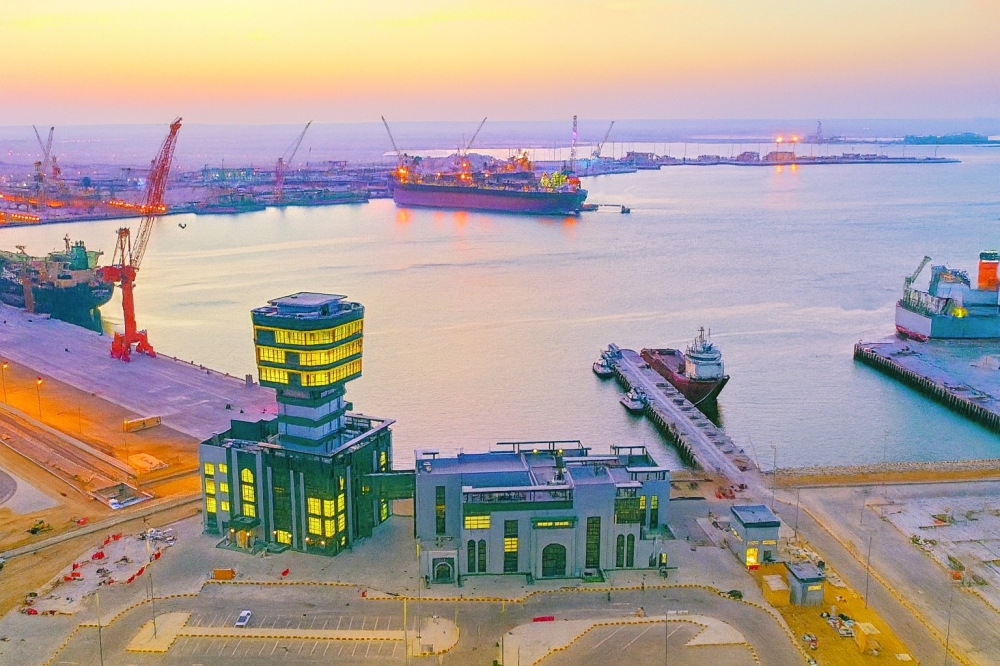





MUSCAT: Port of Duqm’s Basin 2 — now being prepared for large-scale infrastructure development — is set to play a pivotal role in supporting the fast-emerging green steel and low-carbon metals ecosystem taking shape within the adjacent Special Economic Zone at Duqm (SEZAD), a senior official has confirmed.
The basin’s infrastructure is being developed by CAP Infra, a consortium comprising the Port of Duqm Company, the DEME Group and Port of Antwerp Bruges, with Investcorp Aberdeen Infrastructure Partners (AIIP) joining as a strategic investor.
AIIP, a joint venture between Bahrain-based Investcorp and Scotland’s Aberdeen plc, has committed to backing the $550 million development package.
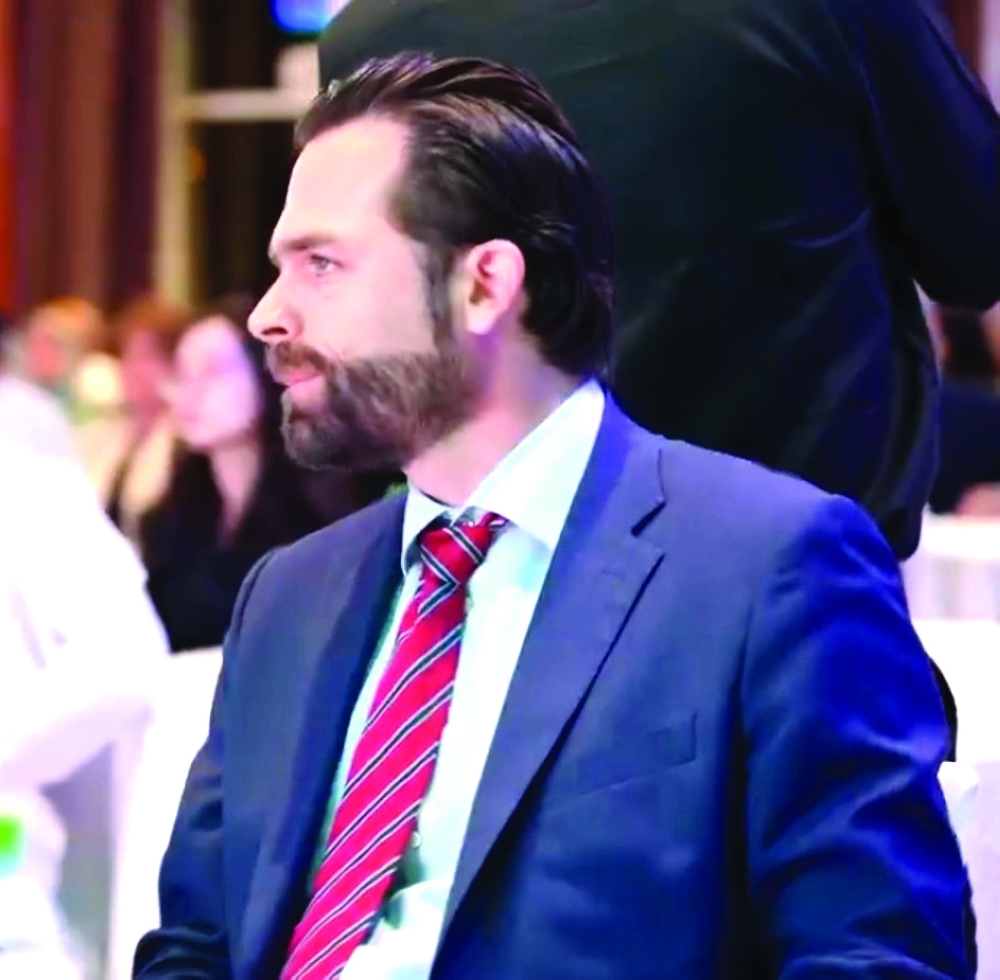
According to Reggy Vermeulen, CEO of the Port of Duqm, Basin 2 will underpin Al Duqm’s transformation into an integrated industrial hub serving a spectrum of sectors, particularly SEZAD’s budding low-carbon steel and metallics industry.
“We recently signed a $550-million agreement with AIIP and DEME to prepare the infrastructure in our second basin, which is directly tied to the Mitsui-Kobe Steel project. This includes dredging, building new quay walls and installing platforms to handle high-volume cargo”, he said.
“Al Duqm currently has more than 5,000 hectares and two basins, so we have significant headroom. Basin 2 will at least double our current capacity and with projects from Vale, Mitsui and Jindal progressing, Al Duqm’s edge is flexibility. Unlike congested hubs, we’re developing a multi-industry platform spanning steel, liquids, renewables and ship repair in one integrated layout. That’s why, as global investors seek stable ground amidst geopolitical turmoil, Al Duqm is drawing serious attention”, he added.
The projects cited by Vermeulen anchor Oman’s strategy to build a world-class green metals and industrial complex in Al Duqm — drawing international players in low-carbon DRI, HBI and other metallics; and leveraging natural gas, renewables and future green hydrogen resources for energy-intensive processes.
The partnership between Kobe Steel and Mitsui & Co is aiming to produce low-CO₂ direct reduced iron (DRI) using Kobe Steel’s MIDREX process. The planned facility will have an estimated production capacity of around 5 million tonnes of DRI per year, with output targeted for key markets in Asia and Europe.
Brazilian mining major Vale has signed a land reservation agreement to establish a green iron and metallics complex with facilities for iron ore concentration, green briquetted products and DRI.
Jindal Steel Duqm, owned by India’s Jindal Steel Group, is advancing Phase 1 of its 5-million-tonne-per-annum low-carbon steel project. A further 2.5 Mtpa green-iron venture promoted by Singapore-based Meranti Green Steel is expected to reach Final Investment Decision by mid-2026.
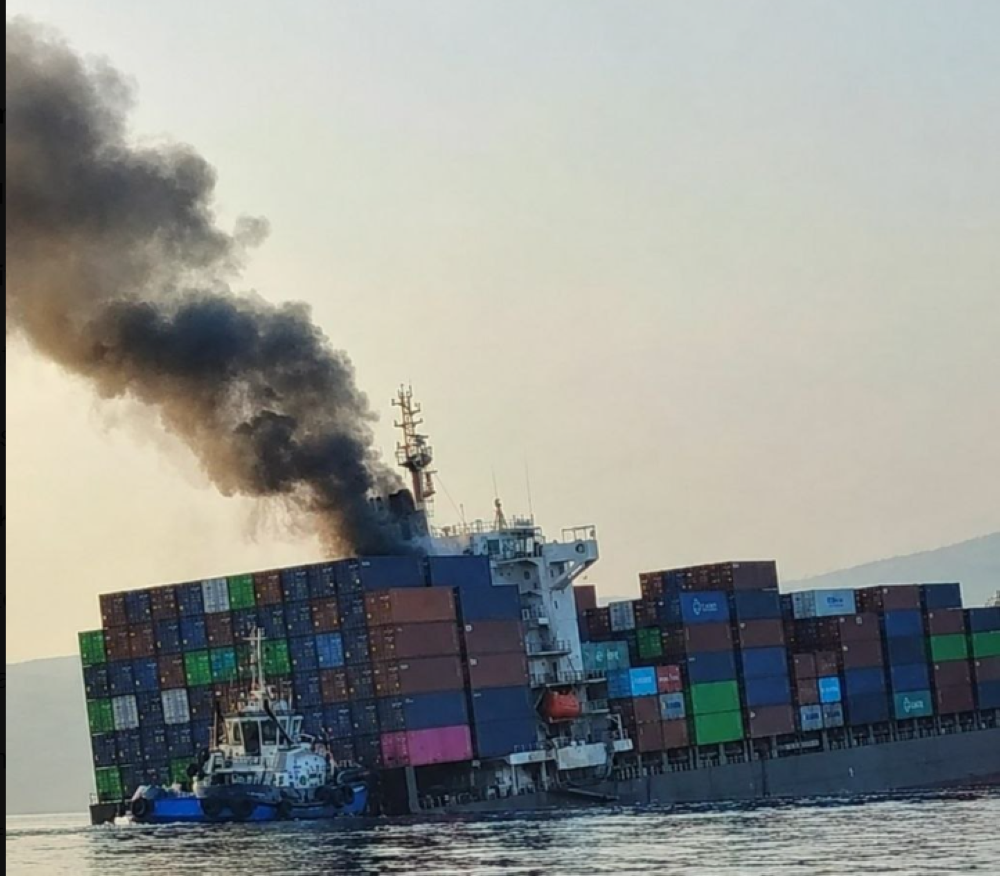
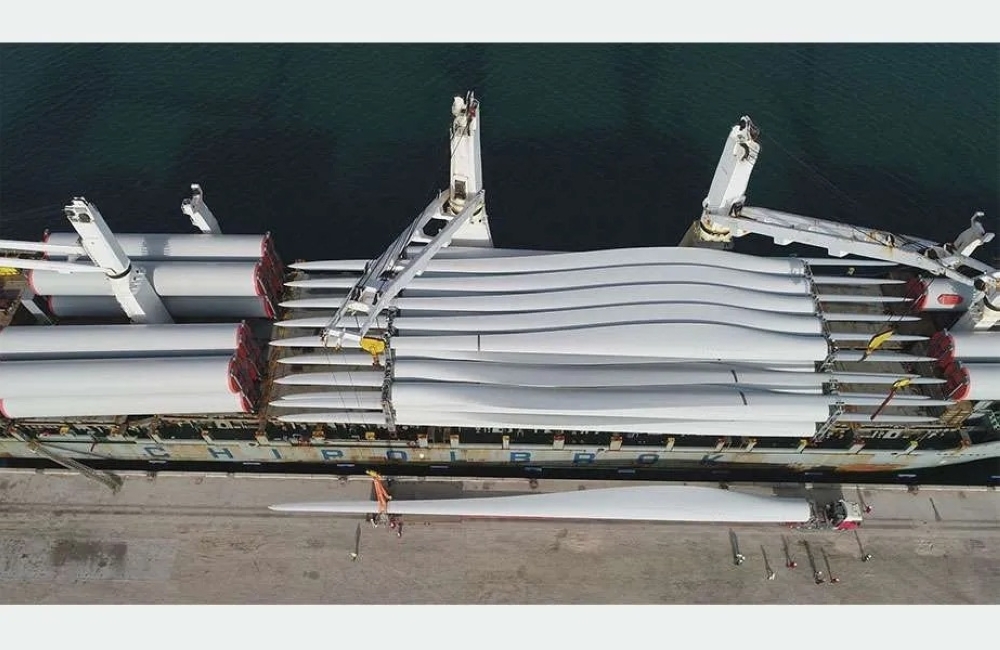
All these ventures will generate substantial bulk cargo volumes — iron ore inbound and metallics and steel outbound — the type of heavy industrial traffic Basin 2 is designed to accommodate through deep-draft berths, bulk terminals, large storage yards and dedicated logistics corridors.
Vermeulen noted that hybrid operational models, such as Vale’s, are particularly well-suited to Al Duqm’s strategy: “They bring raw materials to Al Duqm and either export regionally or attract downstream clients onsite. We aim to become a multi-product, multi-hub platform that anchors mineral value chains for both export and domestic industrialisation”.
Oman Observer is now on the WhatsApp channel. Click here