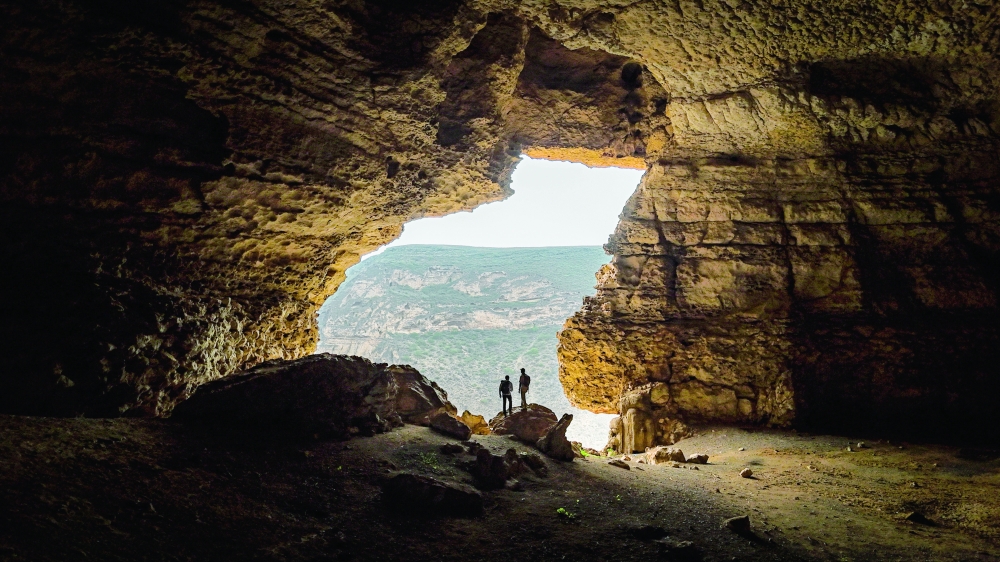
On the trail from Riyam to Muttrah, the city falls away and the rock takes over. You climb past a rusted pipe that once carried diesel to an old generator station, a relic of a time when electricity in Muscat depended on fuel pushed through this narrow valley. Higher up, power lines cut across the sky. They are easy to ignore when your eyes are looking for the sea, yet they are the reason the lights of the sea road glow after sunset.
I kept thinking about those lines this week as I read yet another report on artificial intelligence and energy. Headlines still speak of AI as if it lives in the cloud, all algorithms and imagination. The reality is heavier: copper, steel, and concrete; transformers and substations; water diverted for cooling; and minerals pulled from the ground.
For years, the energy conversation has focused on generation. We celebrate solar parks in the desert and wind farms off the coast and measure ambition in megawatts installed and targets announced. Now attention is shifting to what happens after the electron is made. Bloomberg expects global spending on electricity grids to exceed 470 billion dollars this year, driven by rising demand and the work of connecting new supply.
Although AI is not the only reason, it has become the loudest one. Data centres want power that never flickers, in volumes large enough to reshape regional plans. The International Energy Agency projects their electricity use could roughly double by 2030. The number reads like a delivery date. As these loads arrive in systems designed for a smaller, more predictable world, the grid begins to show its seams.
The risk is wider than electricity. A World Economic Forum paper describes AI growth as a knot of pressures across energy, water, critical minerals, and the ecosystems and communities underneath. Pull one thread and the others tighten. Cooling draws water from stressed basins. New hardware demands more mining, sometimes overlapping biodiversity hotspots and communities that rarely share in the upside. Where grids cannot integrate renewables fast enough, fossil generation slips back into the margins.
There is also a story of possibility. A Nature study estimates that AI applications in power, food, and mobility could help cut global emissions by several gigatonnes a year by 2035, more than the extra emissions from data centres themselves. Tools that increase demand can also help us use energy more intelligently, predict weather and crop yields more accurately, and design materials and systems that waste less.
The difference between these futures is not technology. It is governance. Markets chase the quickest returns, not always the deepest benefits. Public policy decides where data centres are sited, how they are powered, how water is measured, and which communities are asked to carry the cost.
For Oman, this is not an abstract debate. Our economy ties itself more tightly to electricity each year, from homes and businesses to new industries and digital infrastructure. Resilience will rest on whether the system can deliver firm power, withstand storms that do not read our timetables, and expand fast enough to meet what we are building. Grid upgrades, smarter operation, and water systems belong in the centre of the story.
From the ridge above Muttrah, the port and souq sit below, and lines keep marching across the hills. The view has changed for me. Those lines mark fragile routes through which our future will travel. The transition we debate in conferences will live or die in substations and control rooms no one photographs. Perhaps noticing them is the first step, and choosing what we build comes next.
Rumaitha al Busaidi
The writer is an environmental strategist and advocate for sustainable development. Follow her on LinkedIn @rumaithaalbusaidi
Oman Observer is now on the WhatsApp channel. Click here