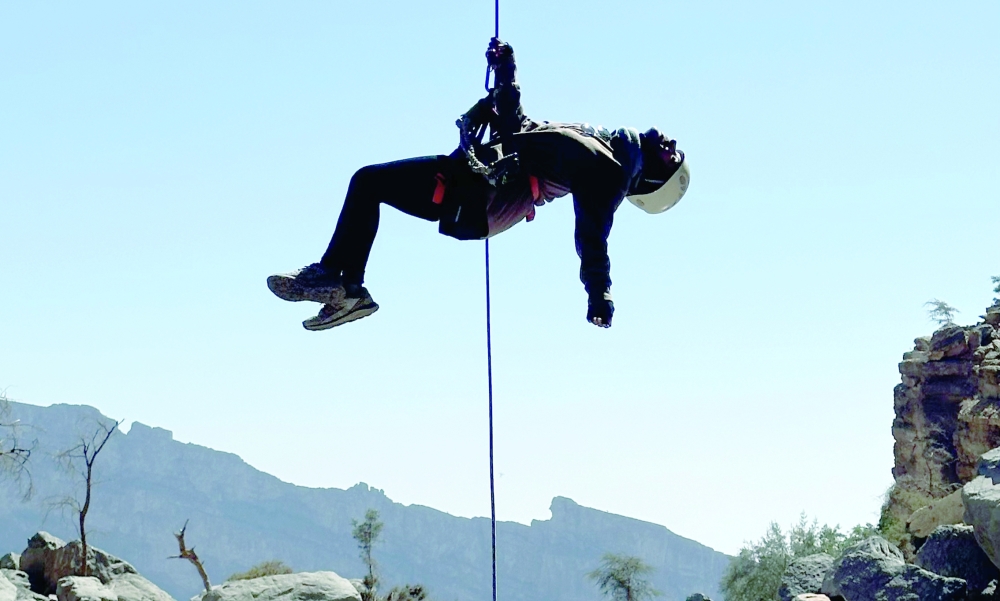





In Oman, nature rarely makes itself known. It reveals itself quietly — heat shimmering over mountains, shadows sliding across cliffs, dunes shifting under a starlit sky. It was this calm, timeless rhythm that captivated Dinesh Deckker, inspiring ‘A Poetic Journey Through Oman’s Nature: Landscapes in Verse’, a collection of intimate poetry celebrating deserts, wadis and wildlife.
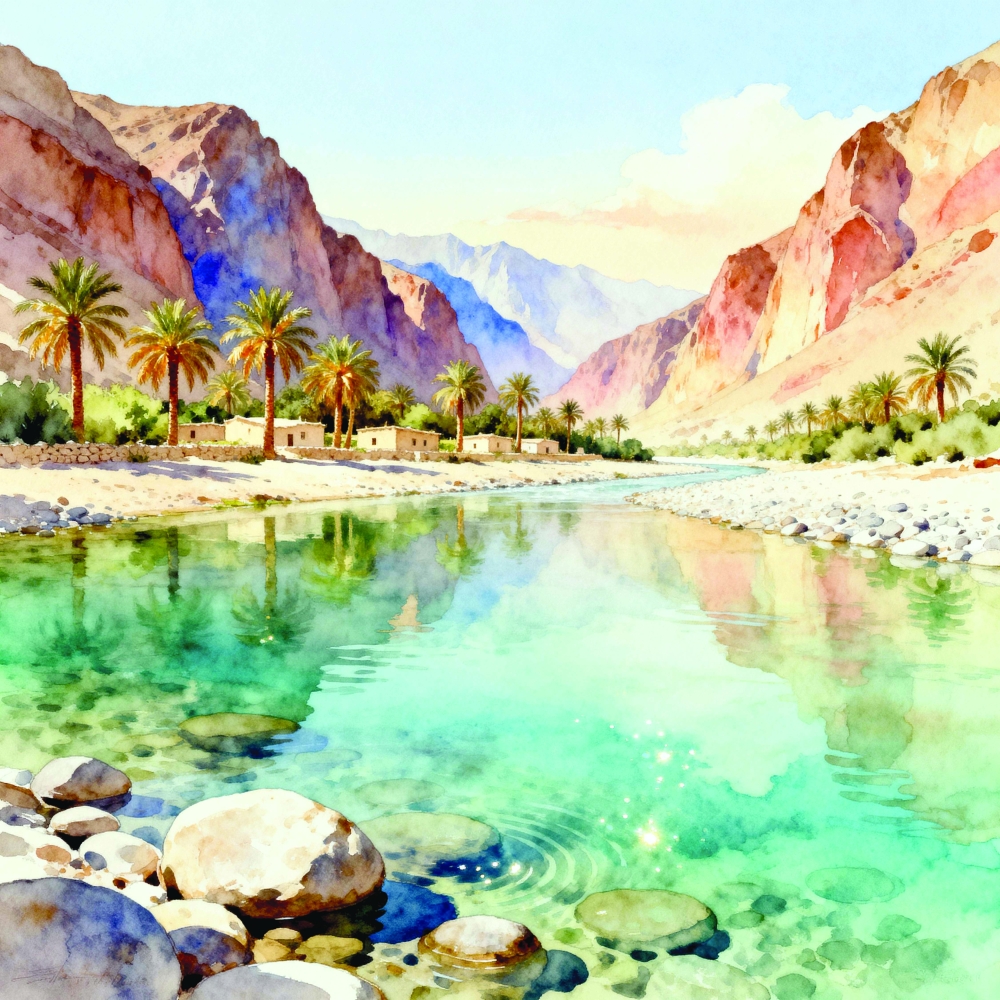
For Dinesh, the journey began not with poetry, but with silence. He arrived expecting emptiness, only to find landscapes alive with subtle movement and layered stories. Mountains rising abruptly from Muscat’s edges, wadis blooming after rain and burnished plains where acacia trees stand like sentinels — all worked on him quietly, shifting his inner tempo.
“Each place held an ancient quiet that felt grounding and humbling”, he recalls. Early encounters — goats wandering under palm shade, dawn turning the sea silver, the intricate logic of desert winds — rooted themselves deeply, long before he wrote a single line.
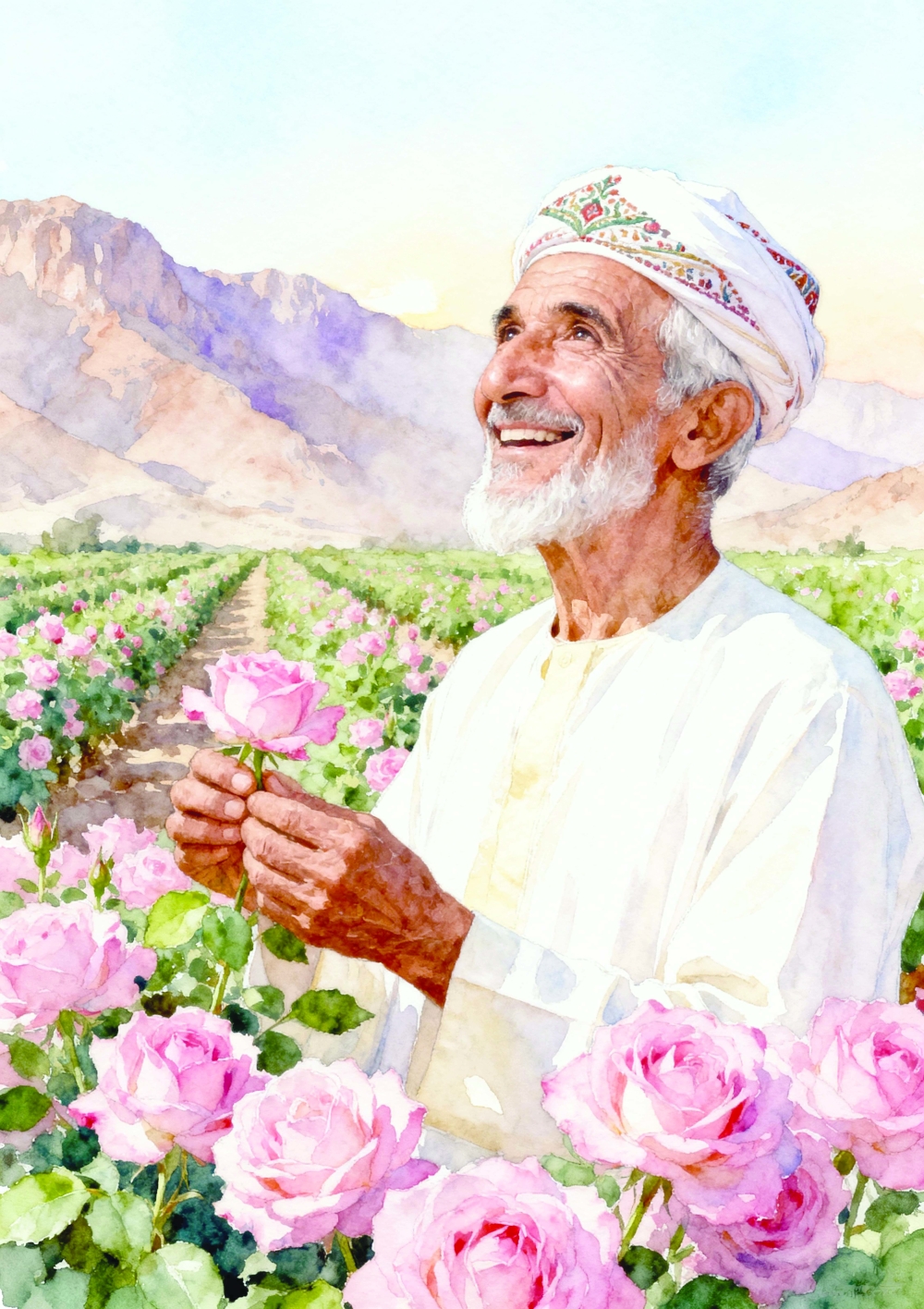
The spark came during a night in Rimal Al Sharqiya. After climbing dunes with his family, the camp fell silent. Under a sky where stars seemed close enough to touch, the dunes appeared frozen mid-breath. “It was the first time I felt how small I was, not with fear but with a peaceful surrender”, Dinesh says. A few lines typed on his phone — about dunes breathing and stars listening — became the foundation of the desert poems. “That was when I stopped visiting Oman and began listening to it”.
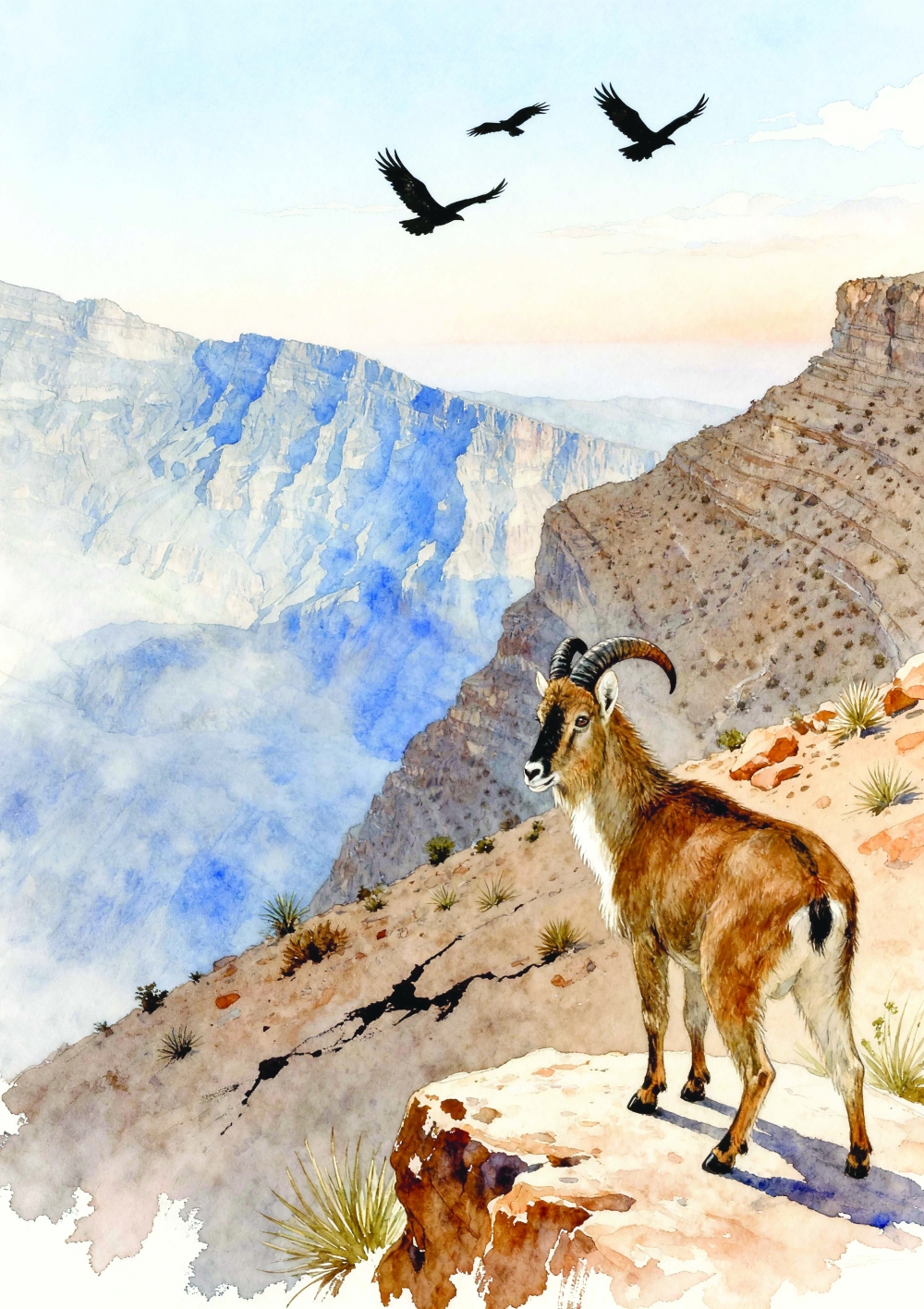
Travelling across mountains, wadis, coasts and deserts, Dinesh’s relationship with nature deepened. Oman slowed him down. Landscapes here unfold gradually and reward patience. A wadi, for instance, reveals its life in layers: clear pools, palms, birdsong and laughter echoing off stone walls. “A wadi feels like the secret heart of the country”, he says, its fragility adding emotional weight to his verses.
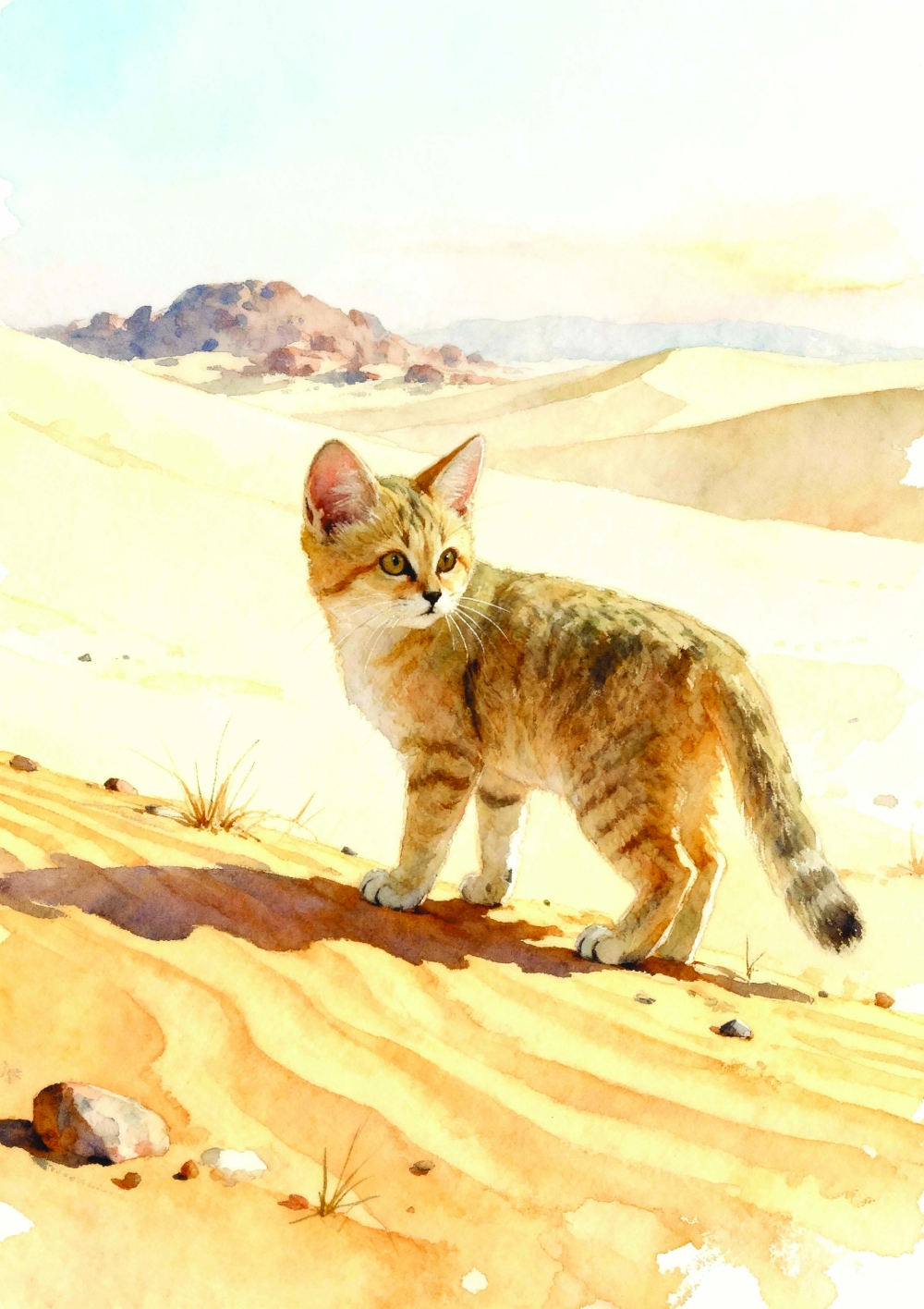
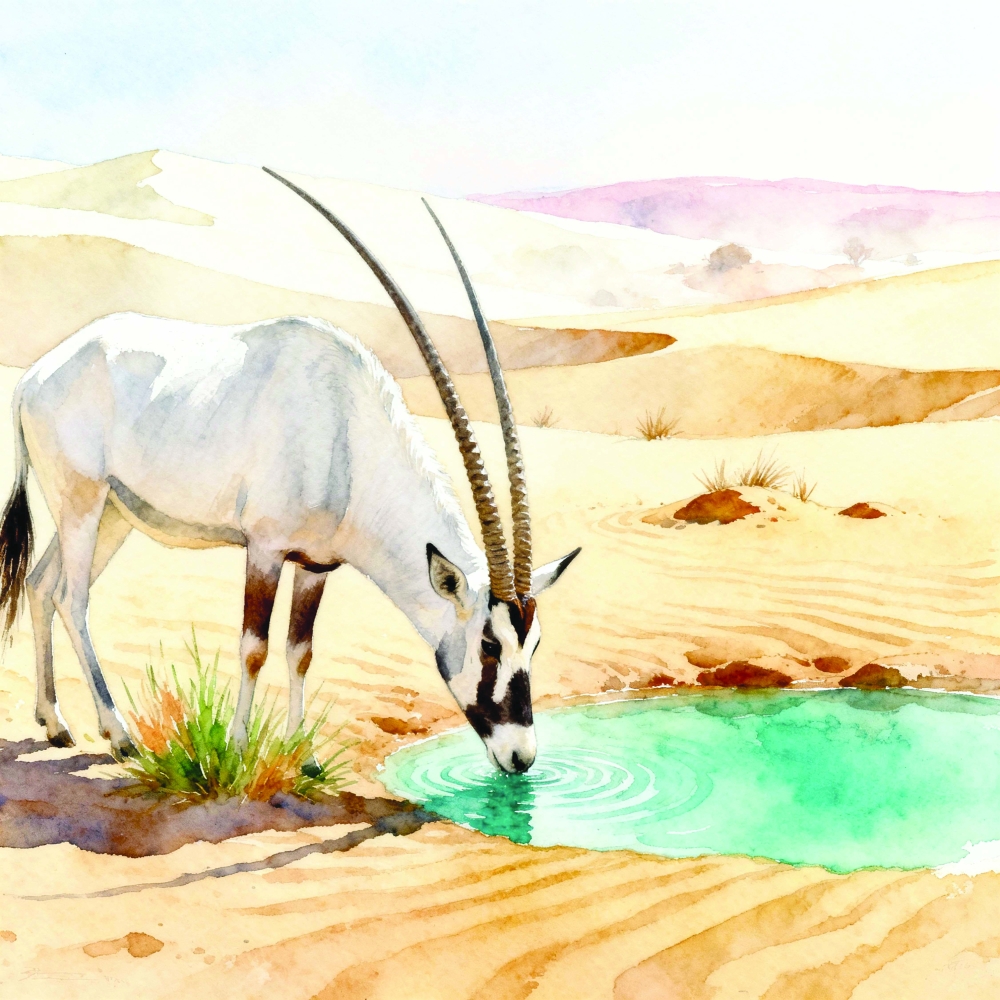
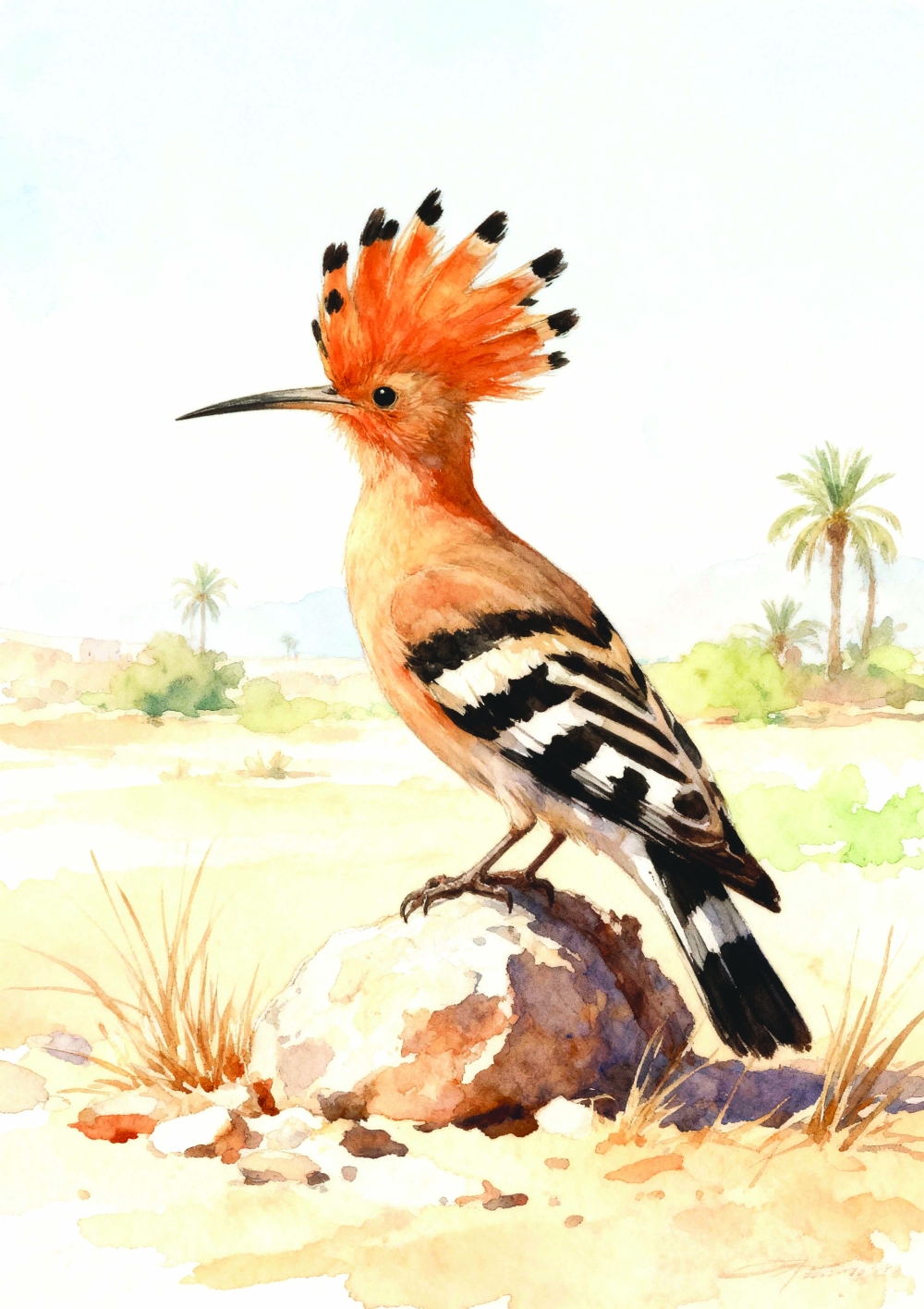
His poems combine his personal experiences with care for the environment. Every image, every creature, belongs unmistakably to Oman — Arabian oryx at dawn, foxes under moonlight, dragonflies flashing like glass above still water. Iconic species appear alongside overlooked ones: owls, bees, hoopoes and other pollinators sustaining ecosystems. “If an image could belong anywhere else, I set it aside”, he explains.
Family threads quietly through the book. Many landscapes were first seen while holding his daughter Sasha’s hand, transforming the land into space for learning and memory. His wife, Subhashini Sumanasekara, reflects: “Watching Dinesh notice the smallest movements — the wind, a bird’s flight, the shimmer of water — made me fall in love with Oman’s landscapes all over again”. Their presence deepened emotional resonance, especially in poems about endangered species and fragile ecosystems.

Conservation is woven delicately through the work. Dinesh avoids direct advocacy, instead letting subtle details — a shrinking habitat, a lone track in sand, a final call echoing through — convey urgency. “Poetry can make people care in ways data cannot”, he says.
Dinesh wants readers, especially young ones, to feel Oman as more than just a setting. His poems encourage slowing down — lingering by water, noticing dragonflies, or watching the changing light on the mountains. “Anything we love, we protect”, he says. “If these poems bring even one person closer to Oman’s landscapes, then the silence that inspired them has done its work”.
Oman Observer is now on the WhatsApp channel. Click here