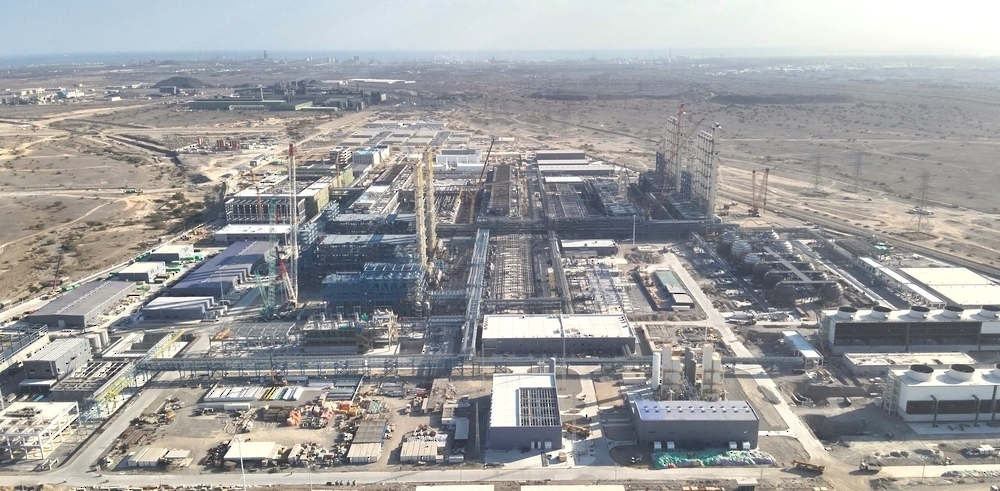
Oman stands at a pivotal moment in its energy evolution. As the pressures of climate change, fossil fuel volatility and global decarbonisation intensify, the Sultanate of Oman’s shift from energy expansion towards energy optimisation will be central to its sustainable development. Rather than merely adding capacity, Oman must now focus on operating smarter, reducing waste and maximising the value of every unit of energy produced.
THE CHALLENGE OF EFFICIENCY
Historically, Oman’s power sector has relied heavily on natural gas, which still fuels over 90% of electricity generation. Even though the country is advancing several renewable projects and aims for 30% of its electricity from renewables by 2030. Large gaps remain in energy efficiency throughout generation, transmission, distribution and end use (buildings, industry, transport). Losses in conversion, grid inefficiencies and suboptimal demand management represent “hidden energy” that undermines all efforts to go green.
WHY TRANSITION MATTERS
Moving from expansion to optimisation yields multiple dividends:
•Cost savings: Reducing losses and demand peaks allows deferral of expensive infrastructure investments.
•Reliability & resilience: Smarter grids better absorb variability from renewable sources and demand shocks.
•Lower emissions: Efficiency gains reduce fuel consumption even before new renewables are built.
•Value maximisation: Each MW of new solar or wind delivers more benefit when paired with an efficient system.
PATHWAYS TO OPTIMISATION
•Smart Grid & Control Systems: Deploy advanced sensors, IoT and real-time controls to detect faults, reroute energy and smooth load curves. Countries that pair renewables with digital grid management see performance gains of 10–20% in effective utilisation.
•Demand-side Management & Building Efficiency: Retrofitting residential, commercial and industrial buildings — through efficient HVAC systems, smart metres and behavioural feedback — can reduce peak demand by 15–25%. Incentivising time-of-use pricing and demand response can shift loads to low-cost periods.
•Energy Storage & Hybrid Systems: Pairing renewable generation with batteries or hybrid wind-solar-storage systems ensures that generated power is not wasted but stored and dispatched optimally. Oman is already beginning hybrid strategies.
•Optimised Operation & Maintenance using AI: Predictive maintenance using machine learning can forecast faults and schedule corrective actions before outages, enhancing plant availability. Similar approaches are increasingly applied in hydrogen and green infrastructure projects.
•Policy & Incentives: To unlock optimisation, regulatory reforms must align utility incentives with efficiency (not just capacity). Mechanisms like performance-based tariffs, penalty reduction for losses and subsidies for efficiency upgrades will be vital.
OMAN’S ROAD MAP & IMPERATIVES
Oman has already committed to 30% renewable electricity by 2030 and a net-zero ambition by 2050. But to truly deliver on these targets, the country must invest in optimisation more than additional renewable capacity. The National Energy Transition Programme and recent establishment of energy transition funds are promising signs.
In practice, institutions, industries and utilities in Oman must adopt a mindset of “doing more with less”. With smart infrastructure, data-driven operations and regulatory alignment, Oman can transcend incremental growth and become a model for energy efficiency in the region.
Prof Hussein A Kazem
The writer is Unesco RCQE Chair in Renewable and Sustainable Energy Emerging Technologies at Sohar University
Oman Observer is now on the WhatsApp channel. Click here