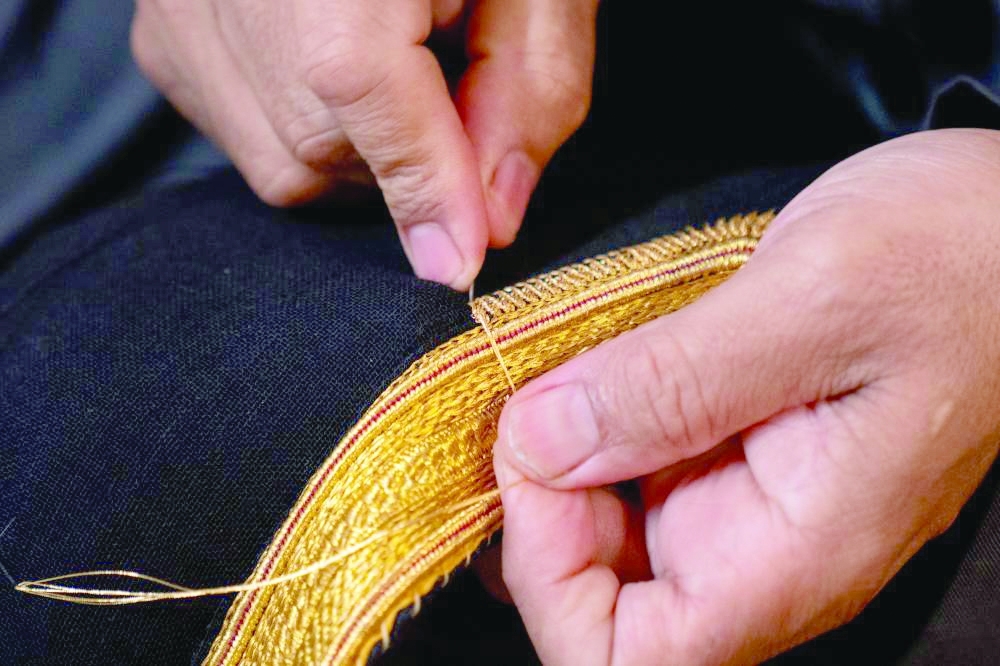





New Delhi: The Sultanate of Oman, along with Arab countries under the leadership Qatar, succeeded on Tuesday in adding the 'Bisht': Skills and Practices, as a shared Arab element on the Representative List of the Intangible Cultural Heritage of Humanity of the United Nations Educational, Scientific and Cultural Organization (UNESCO).
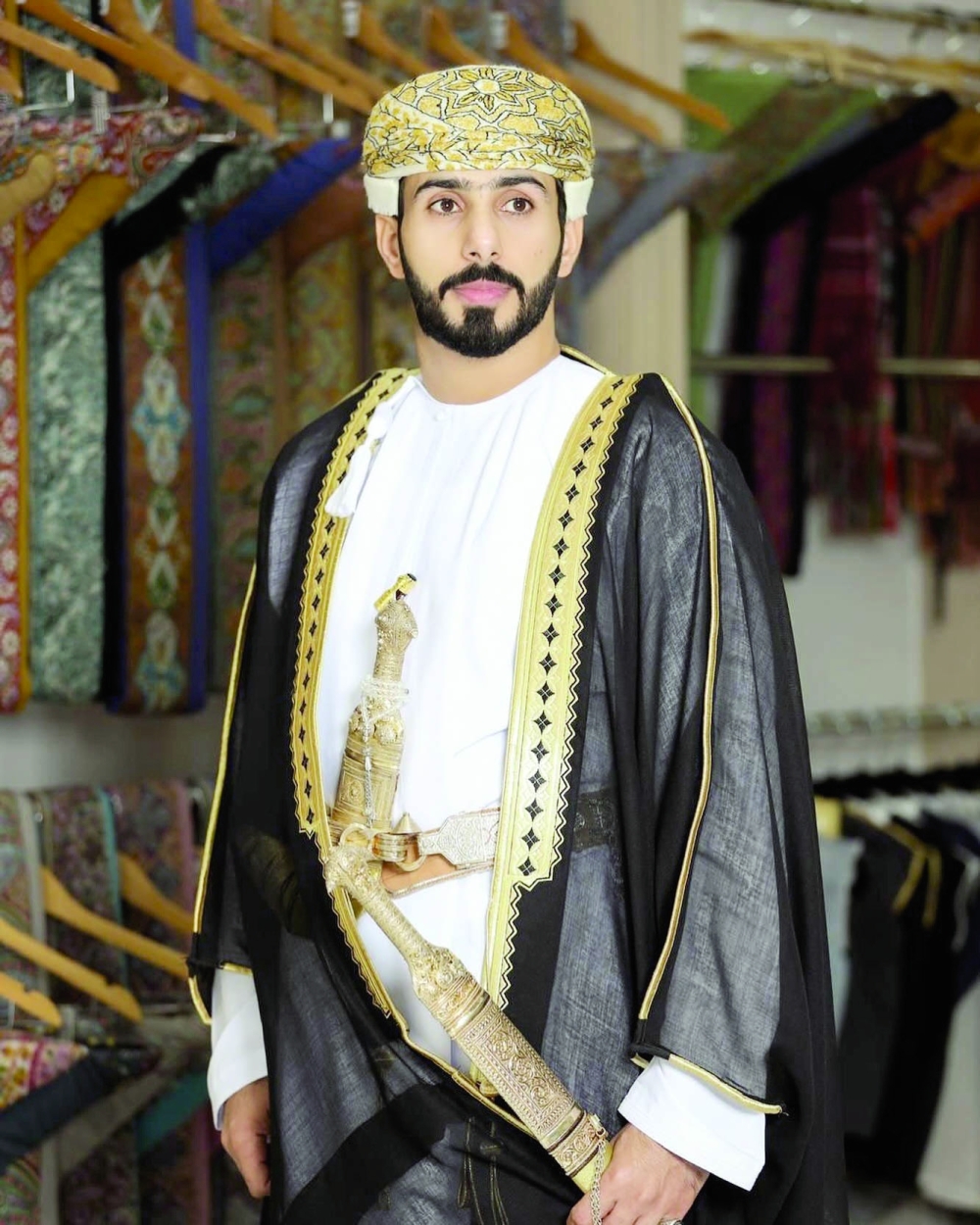
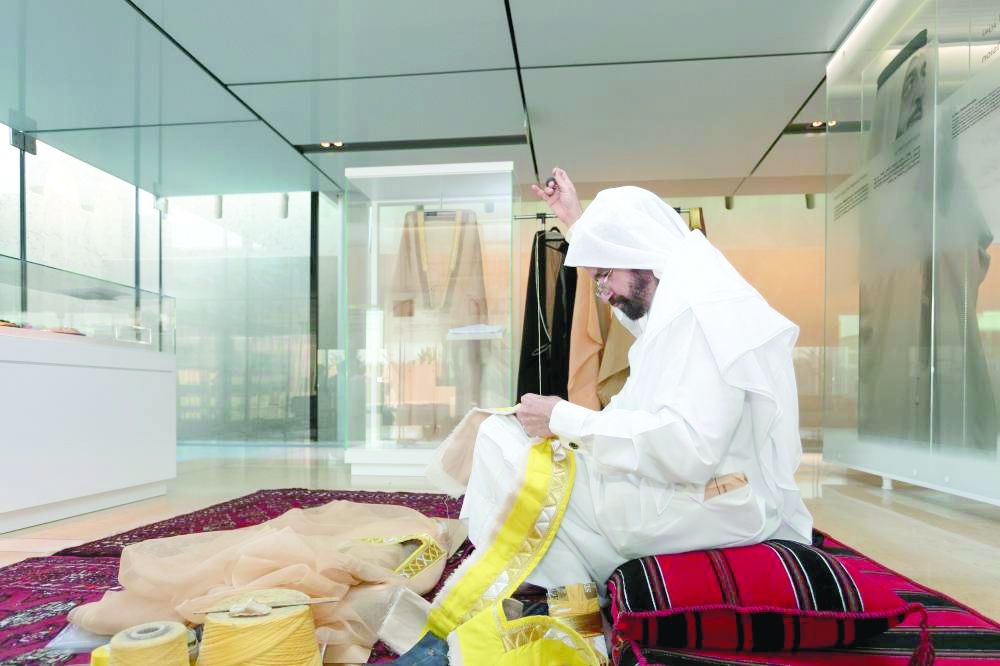
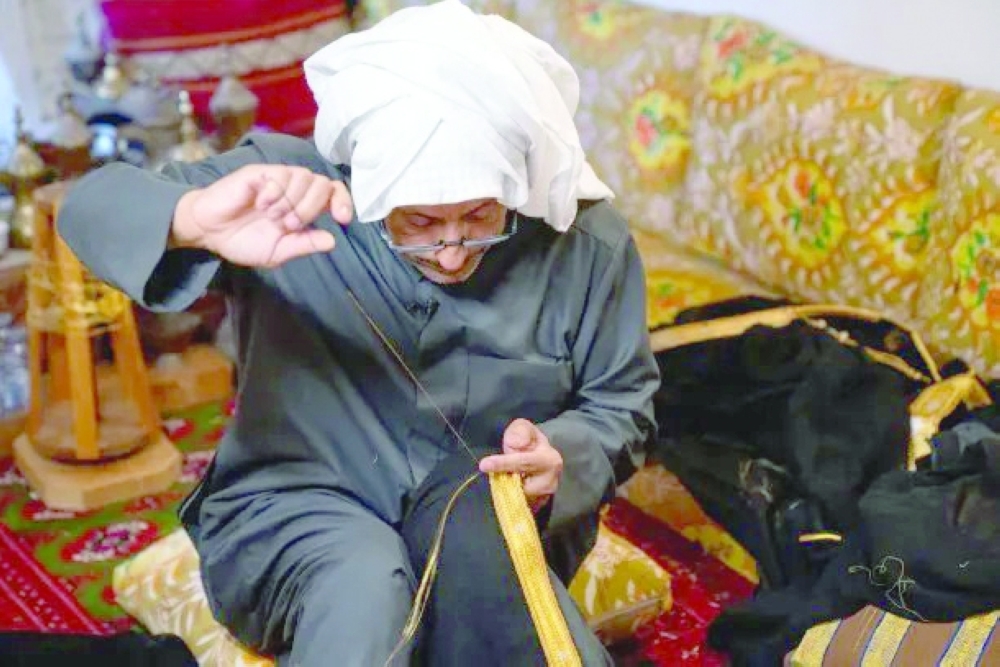
The Bisht is a symbol of elegance, prestige, and social status in Arab societies. It is worn on official, national, and social occasions and reflects meticulous craftsmanship skills passed down through generations in its making through hand-tailoring and traditional embroidery.
Bisht is a traditional outer garment worn by men during special occasions such as births, weddings, funerals, ceremonies and festivals. The long garment, which is worn over regular clothes, is draped over the shoulders, wrapped across the chest and held on one side, leaving the right hand free for greetings. The style varies according to the region, season and time of day, and the garment is made from natural materials such as wool and camel or goat hair.
This achievement came during Oman's participation in the 20th session of the Intergovernmental Committee for the Safeguarding of the Intangible Cultural Heritage (2003 Convention), which is currently being held in the Indian capital, New Delhi, from December 8 to 13. The enlisting of the 'Bisht' on the Representative List of the Intangible Cultural Heritage of Humanity represents a culmination of the joint efforts exerted by the participating Arab countries in preparing the nomination file. It serves as a model that embodies the depth of Arab cultural cooperation in safeguarding shared cultural heritage and ensuring its sustainability for future generations.
The traditional saree weaving art of Tangail from Bangladesh and Behzad’s style of miniature painting from Afghanistan were also were inscribed on the UNESCO’s list.
Boreendo, an ancient dying folk musical instrument and its melodies from Pakistan, Paraguay’s ancestral ceramic craftsmanship and Mwazindika spiritual dance of the Daida community of Kenya are among the several elements which were inscribed on UNESCO’s List of Intangible Cultural Heritage in Need of Urgent Safeguarding.
Later, the committee examined a set of nominations seeking inscription on the Representative List of the Intangible Cultural Heritage of Humanity.
The world body also put up a series of posts on X to share the update.
Joropo, a lively festive tradition of Venezuela; festivity of the Virgen of Guadalupe – Patroness of Sucre, Plurinational State of Bolivia; Cuarteto: music, dance and lyrics in the city of Cordoba, Argentina, also earned a place on the Representative List of the Intangible Cultural Heritage of Humanity.
Behzad’s style of miniature painting from Afghanistan and Brussels’ rod marionette tradition from Belgium were also added to this list of UNESCO.
“Behzad’s style of miniature painting, named after the 15th century artist whose techniques, use of perspective and colour made him one of the most famous painters of his time. It is a source of pride for the people of Afghanistan. It is transmitted through apprenticeship, in universities and in public and private institutions. The practice contributes to the transmission of foundational stories, myths, values and morals,” according to UNESCO.
This is the first time that India is hosting a session of the UNESCO panel.
The committee will examine a “total of 67 nominations” submitted by nearly 80 countries for inscription on UNESCO’s intangible cultural heritage lists during the course of this session, according to the Paris-headquartered world body. — ONA
Oman Observer is now on the WhatsApp channel. Click here