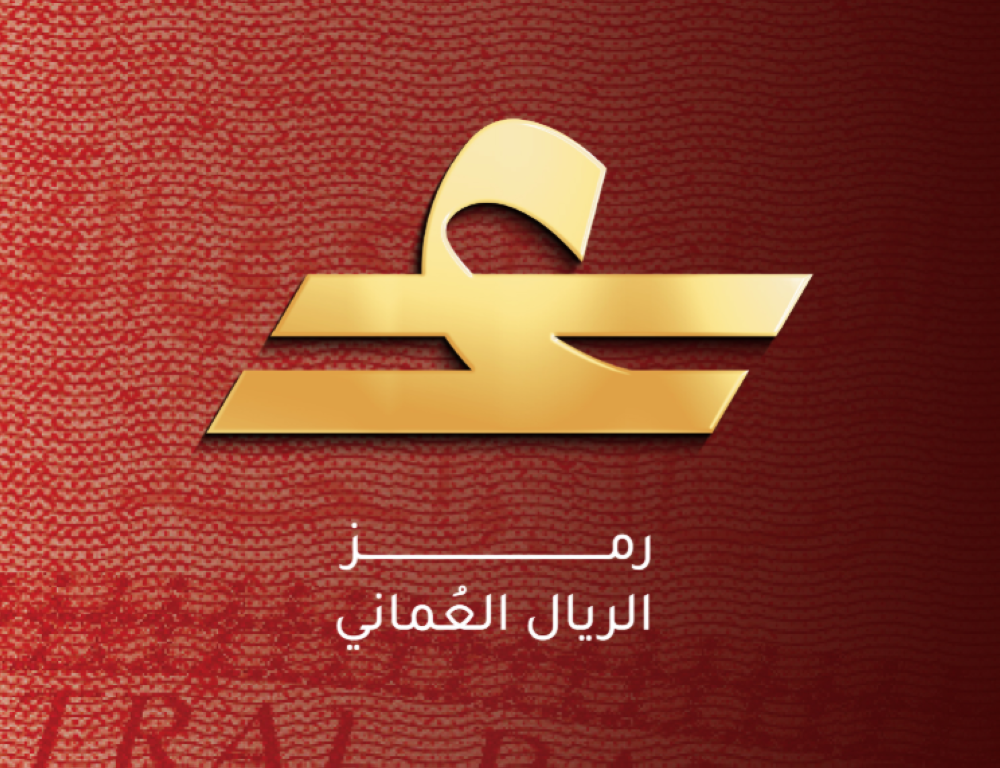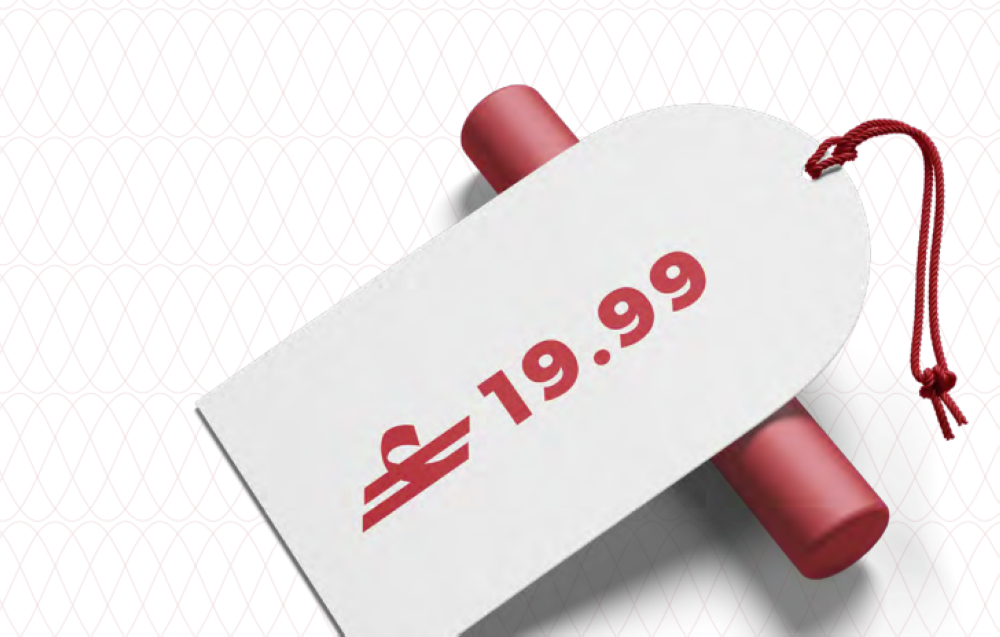





We now have a brand new symbol for the Omani Rial, inspired by the Arabic script and calligraphy. This move supports the internationalising of financial services, and also serves to preserve heritage and identity.
Effectively, a currency symbol is a visual representation of a country’s identity, and acts as its brand ambassador.
Having an internationally recognised monetary symbol helps in many ways. It ensures visual consistency across all domains and has the recognition value. The CBO itself states that the symbol will “will allow for its immediate recognition, facilitate international exchange operations, and deepen global acknowledgment of it as a strong and stable currency”.
Having a globally recognised symbol is not just a passing idea. In fact, the British pound symbol is one of the oldest continuously used currency symbols in the world. It originated from the Latin Libra, meaning weight. This symbol, going back to the 17th century, has long been associated with British pride.
Similarly, the dollar sign owes its existence to the abbreviation of the ‘p’ and ‘s’ for pesos, the Spanish currency long used in the Americas.
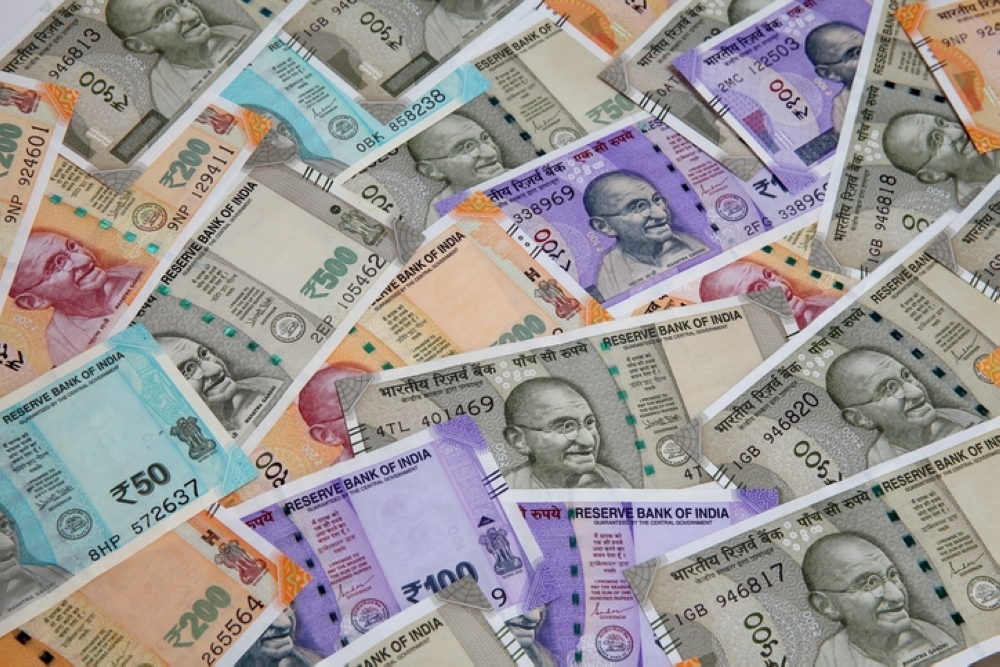
The Indian rupee symbol also uses the Devanagri script and the Roman ‘r’.
All currency symbols leverage their roots but also use them to make a statement about their past, as well as their aspirations in the current global economy. It enhances economic sovereignty and confidence, while also building brand identity.
A currency symbol makes its identification easier, more standardised and is accurate in digitised formats. It is thus future ready, while also being a reminder of heritage and traditions.
Having an easily recognised brand also boots efficiency in business transactions, encouraging and facilitating international commerce.
In the digital age, using a standardised and recognised currency symbol becomes essential as all financial platforms work seamlessly with formats which are established globally. This makes the adoption of cashless systems easier and more convenient across all spectrums.
The adoption of a currency symbol, of course, also helps to support tourism and international relations. It helps visitors to engage more easily with the financial system of the country through a well recognised symbol. It enhances tourism potential by simplifying transactions across all platforms.
The Omani currency symbol, however, is not only a statement of financial strength. It also reflects Oman’s cultural depth. As with other countries, inserting historical symbolism through calligraphy creates a link between past and present. It also supports social identity which is so important to long term continuity and development.
We often tend to overlook, or take for granted, the symbolism that is commonly seen around us. Currency is one of them. An essential part of our daily lives, we tend to overlook its importance. But closer inspection of these moves makes it clear to us that symbols are often more than that: they are ways in which we understand ourselves, and our communities, better. They are also ways in which a vision for the future is outlined and declared.
Sandhya Rao Mehta
The writer is Associate Professor, Sultan Qaboos University
Oman Observer is now on the WhatsApp channel. Click here