




MUSCAT, DEC 6
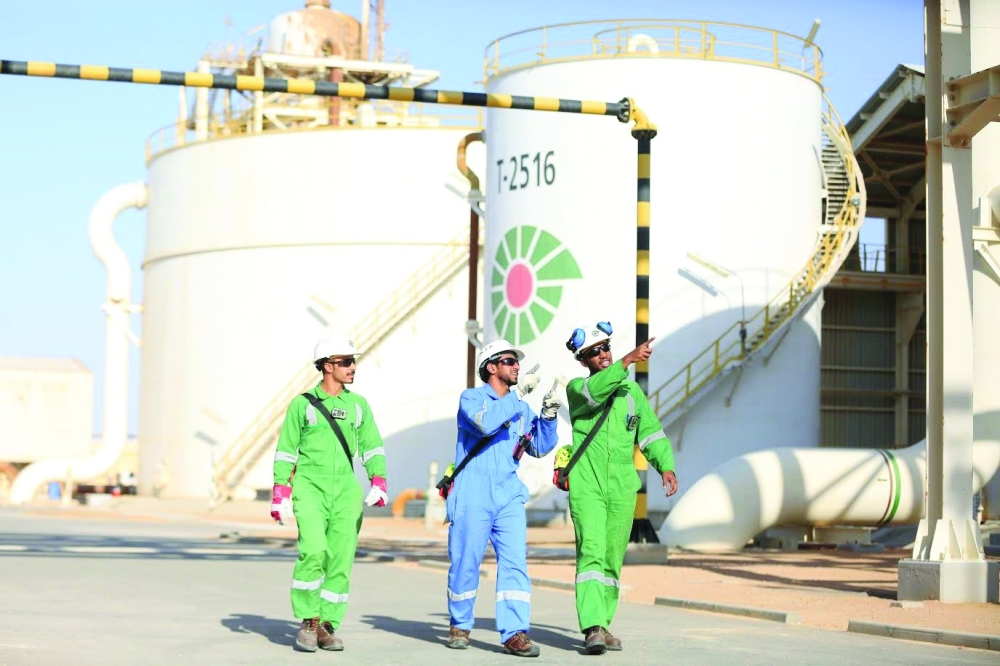
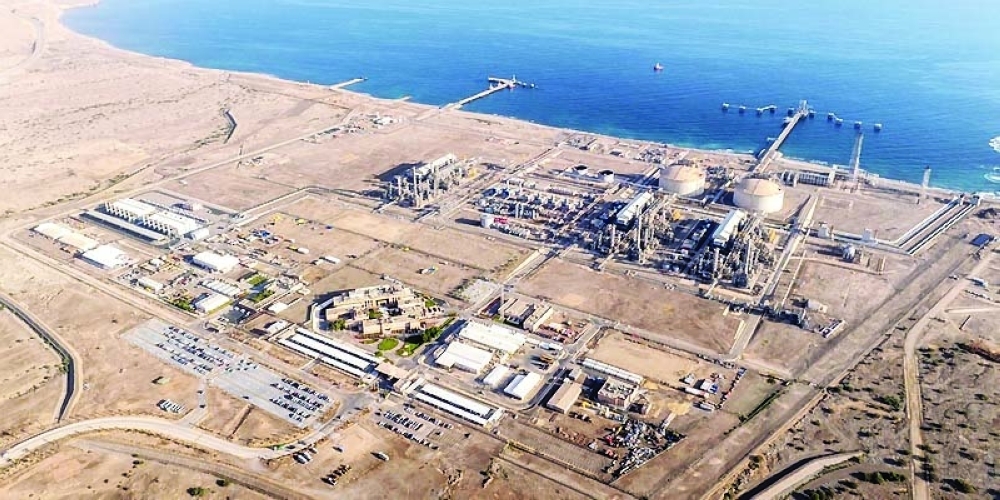
OQ Gas Networks (OQGN) – the sole owner and operator of Oman’s natural gas transmission system – has unveiled plans for a nationwide CO₂ pipeline network to support industrial decarbonisation as part of the country’s Net-Zero pathway.
The strategy envisions three independent Carbon Capture, Utilisation and Storage (CCUS) ecosystems centred around major industrial hubs in northern, central and southern Oman.
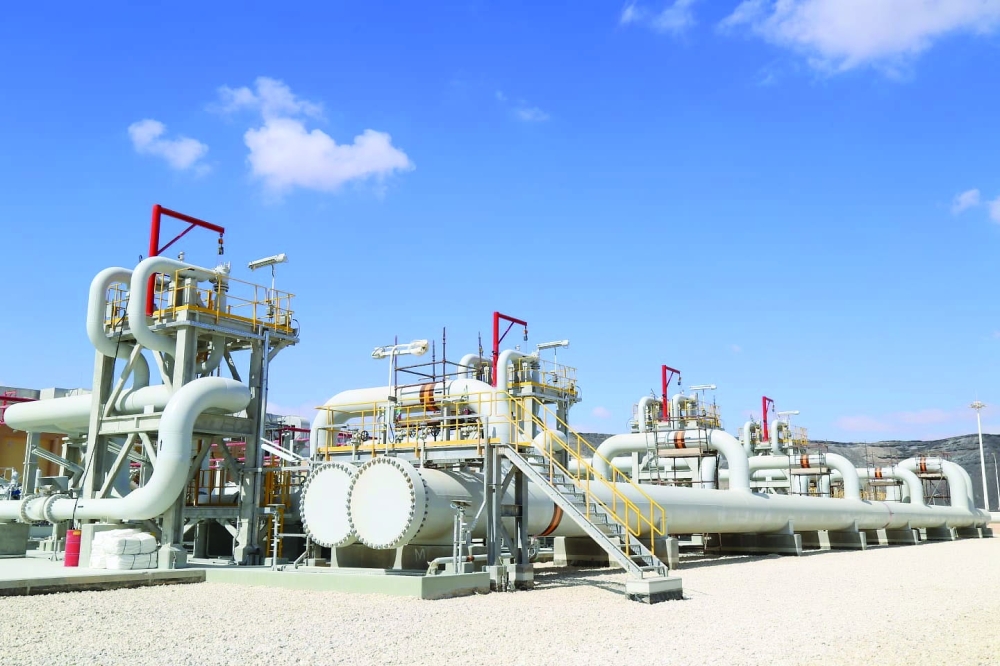
More than 800 km of dedicated pipelines will transport captured CO₂ from emission sources to storage or utilisation sites.
Details of this nationwide carbon-management framework were outlined in an Information Memorandum issued by OQGN on Thursday, December 4, 2025, inviting local and international companies to register their interest in participating in the national infrastructure project.
“As part of OQGN’s efforts in alternative energy and our search for solutions to transport clean energy, and in collaboration with the Ministry of Energy and Minerals and the Oman Net-Zero Centre (ONZC), we are pleased to announce the launch of our Expression of Interest (EOI) for companies and institutions interested in a future carbon-dioxide network,” the majority state-owned operator said in a post.
“Through this initiative, OQGN aims to develop Oman’s CO₂ infrastructure, connecting emission sources with storage locations. The network will be designed to support Oman’s goal of reaching net-zero emissions,” it added.
CCUS is a vital climate-mitigation technology for hard-to-abate sectors such as steel, cement and power generation.
It works by capturing CO₂ from industrial facilities — or directly from the atmosphere — and transporting it for permanent geological storage or productive use, thereby reducing overall emissions.
Following a CCUS strategy study and market forecast assessment, OQGN outlined plans for three distinct CCUS ecosystems.
The Northern CCUS Ecosystem is designed to decarbonise the expanding Sohar Industrial Area — Oman’s largest emissions cluster — and nearby regions such as Ibri.
It requires securing steady CO₂ supplies and transporting them via an estimated 300-km pipeline to storage or utilisation sites.
According to OQGN, once established, the ecosystem will allow the Sohar Industrial Area to grow while reducing emissions, attract investments in low-carbon industries, and help companies secure low-carbon premiums for their products. The Central CCUS Ecosystem is intended to serve existing and emerging emitters in Duqm, with potential storage sites in Oman’s largest oil concession, Block 6. The estimated pipeline length is about 200 km.
The Southern CCUS Ecosystem is planned for the Salalah Industrial Area, directing CO₂ to southern Block 6 storage sites within PDO’s concession through an estimated 300 km pipeline network.
For the Sur industrial hub, OQGN noted that analyses showed it is more cost-effective to route captured CO₂ to local sinks.
Accordingly, the operator is working with Sur-based emitters to identify storage or utilisation sites located closer to these emission sources.
Oman Observer is now on the WhatsApp channel. Click here