




MUSCAT, DEC 3
Omani Sarooj mortar re-emerges as a market-ready, low-carbon construction material following a focused research and industrialisation effort led by Middle East Calcined Clay Company. The initiative, presented by Najat al Fudhaili at LC3 Day in Muscat on December 2, seeks to convert the century-old binders used in Omani heritage structures into standardised, engineered products for conservation and contemporary building.
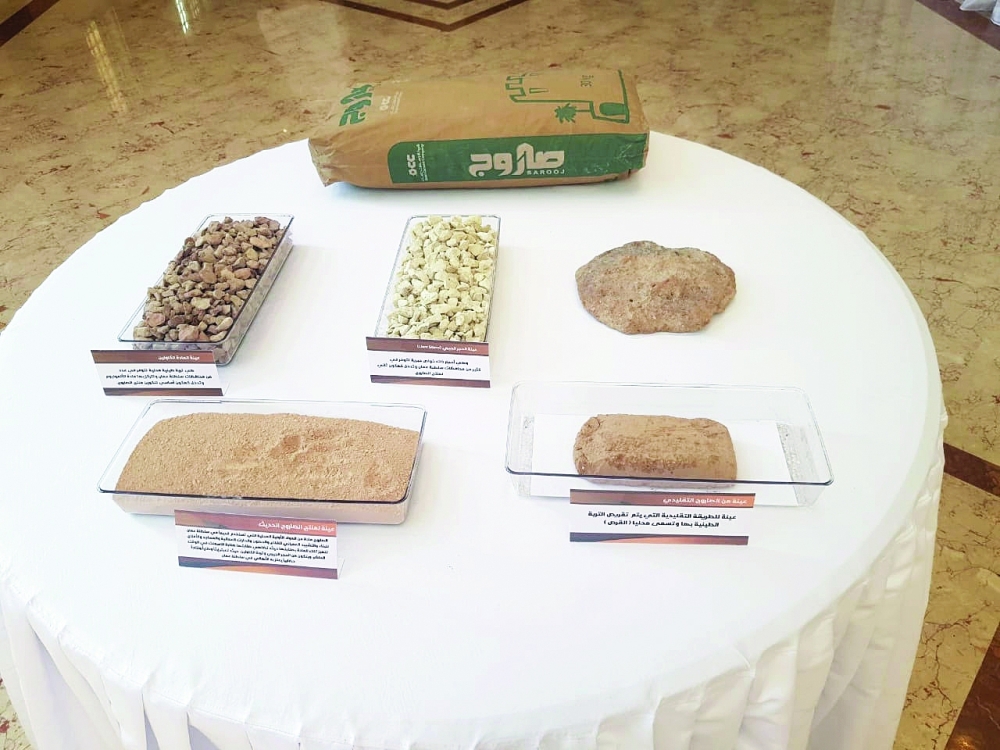
According to laboratory analysis, historical Omani Sarooj samples exhibited high calcium oxide and low levels of reactive alumina-silicate, a composition that explains variable mechanical performance in traditional mixes.
Researchers responded by developing a controlled, two-phase programme: analytical characterisation of historical and local raw materials, followed by formulation, pilot production and on-site validation. The team collected representative samples from diverse heritage sites, tested local clays and identified a kaolin source meeting reactivity thresholds. They established an optimised calcination at about 800°C to convert kaolin into reactive metakaolin and engineered particle fineness to increase surface area and reaction rates.
The engineered Sarooj mortar blends calcined kaolin with limestone in a calibrated ratio, delivering standard-grade performance while retaining visual and aesthetic compatibility with historic masonry. Pilot batches of 200 kilogrammes were applied to fort walls during field trials, showing strong adhesion, minimal cracking and consistent quality. Mechanical testing recorded a 28-day compressive strength averaging 13.7 N/mm² — a marked improvement over comparable lime-pozzolan benchmarks and comfortably above several international standards.
For industry stakeholders, the commercial implications are twofold: a new domestic product stream for heritage conservation that reduces reliance on imports and a demonstrable low-carbon binder option suitable for niche modern construction uses. The use of locally sourced feedstocks and controlled calcination supports potential scaling through industrialisation, positioning Oman to develop a value chain around calcined kaolin production, processing and specialised masonry supplies.
“This is about honouring tradition while providing engineers and conservators with predictable, certified materials”, said Najat al Fudhaili, Business Development Specialist at Middle East Calcined Clay Company. “We’ve shown that with laboratory control and pilot validation, Sarooj can meet modern standards without sacrificing authenticity”. A Ministry of Tourism and Heritage representative added: “Standardising Sarooj opens new prospects for restoration projects and sustainable cultural tourism investment”.
Market adoption will depend on codifying an Omani salvage specification, establishing quality control across producers and linking the product to procurement frameworks used by conservation agencies and contractors. Early signs from pilot trials and analytical results give confidence but further scale-up, third-party certification and cost benchmarking are required before wide commercial uptake. If those steps succeed, Oman could export not only a revived traditional material but also a replicable industrial model for heritage-sensitive, low-carbon binders.
Stakeholders estimate that successful industrialisation could create skilled jobs in kiln operation, quality laboratories and specialised masonry manufacturing, while attracting private investment into pilot plants, technology licensing and training programmes through the Industrial Innovation Academy and partnering universities, thereby multiplying local economic and heritage conservation benefits.
Oman Observer is now on the WhatsApp channel. Click here