




MUSCAT, DEC 2
The Sultanate of Oman is exploring how traditional building materials, particularly clay, can support more sustainable construction practices, as interest grows globally in low-carbon alternatives for the built environment. These themes were highlighted during the LC3 Day 2025 — Oman, an international technical forum that brought together experts, researchers and industry stakeholders to discuss advances in low-carbon materials.
Eng Khalfan bin Masoud al Naabi, Director General of Urban Planning at the Ministry of Housing and Urban Planning, said the adoption of environmentally friendly materials is becoming increasingly important as countries seek to reduce the environmental impact of urban development. He noted that low-carbon materials are gaining global attention for their potential to lower emissions, improve energy efficiency and strengthen the long-term resilience of cities.
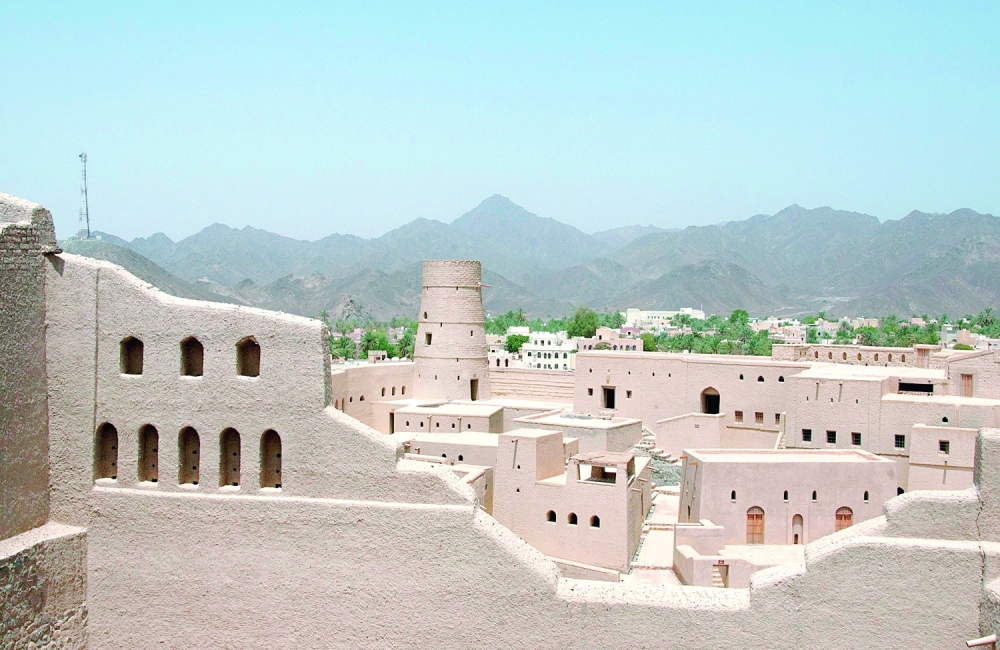
Referring to Oman’s experience, Eng Al Naabi highlighted the “Revival of Earthen Architecture” initiative, which is being undertaken by the ministry in cooperation with the Ministry of Heritage and Tourism. The project focuses on reintroducing clay — a material that historically shaped Oman’s architectural identity — using modern engineering methods that aim to improve performance while maintaining its cultural and environmental value.
“Clay is part of Oman’s architectural heritage and today we are looking at ways to redevelop it through modern engineering approaches that ensure efficiency and enhance the cultural and environmental character of the urban landscape”, he said.
According to Eng Al Naabi, earthen and other low-carbon materials offer opportunities to reduce the environmental footprint of construction, particularly in arid climates where thermal performance and energy use are critical concerns. Clay-based structures are known for their natural insulation properties, which can help moderate indoor temperatures and lower cooling demand.
He also pointed to the role of scientific research and collaboration in supporting the wider use of alternative materials. Sharing international experiences and research findings, he said, is essential for understanding material properties and improving performance, especially as new technologies emerge for processing and application.
His remarks further noted that the global construction sector is seeing wider uptake of low-carbon materials, driven by advances in manufacturing technologies and growing awareness of environmental challenges. In this context, technical forums such as LC3 Day provide space for professional dialogue and knowledge exchange, rather than policy setting.
“A key value of such scientific gatherings lies in bringing experts together to exchange knowledge and showcase experiences”, Eng Al Naabi said, adding that cooperation between the public sector, private industry and academic institutions is increasingly important in addressing environmental challenges facing the construction industry.
By hosting the forum, Oman provided a platform for international specialists to discuss practical and research-based approaches to reducing carbon emissions in construction, while also highlighting local experiences such as earthen architecture. The discussions, organisers said, are expected to contribute to broader professional learning and innovation in the use of sustainable materials, both in Oman and beyond.
Oman Observer is now on the WhatsApp channel. Click here