I recently received a message that claimed that a family of six had tragically died while asleep in the Al Atkiya area of the Wilayat of Al Amerat and the message confidently stated the reasons behind their deaths. The story spread quickly through WhatsApp groups and social network platforms (Instagram and Facebook), where each version added more details than the last. But when I later checked the official news from a recognised newspaper, the report confirmed the tragedy but did not mention any of the reasons circulating in those forwarded messages. The facts were still unclear, yet people had already shaped their own explanations, believing and spreading details that were never verified. A week ago, I met Kajee, a doctoral candidate, who is also exploring how information, misinformation and disinformation really work and thus I decided, why not write an article that sheds light on the same?
First things first, to understand why moments like this happen so often, it’s important to recognise the types of content we interact with every day. Information, in its pure form, is accurate, verified and factual. It comes from credible sources such as official statements, scientific research and established news outlets. We rely on information to make decisions, stay safe and understand the world around us. When shared responsibly, it builds clarity and trust.
But not everything we see online, receive via social media networks and/or in messages carries the same accuracy. Sometimes people share something because it sounds right or because they feel it’s important. That’s where misinformation comes in. Misinformation is false content shared without harmful intent. The person forwarding it truly believes it is correct. For example, during the early days of the pandemic, many people shared unverified home remedies, thinking they were helping loved ones stay safe. Instead, they spread confusion and fear, despite having good intentions. That is a classic example of the definition of “misinformation”.
On the other hand, sharing content that is false, intentional and meant to deceive is another form known as “disinformation”. This is more harmful, of course. Disinformation is calculated, deliberate and often targeted. It aims to manipulate public opinion, influence behaviour and/or stir emotional reactions. Fake stories about political events, edited videos designed to shame someone, or fabricated statistics used to shape public perception all fall into this category. The purpose is not to inform but to mislead.
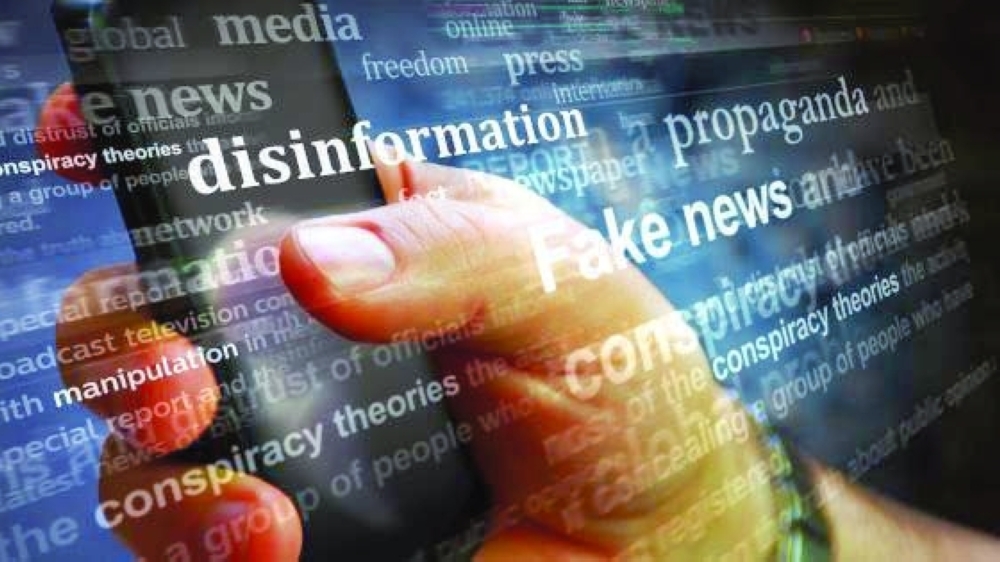
These forms of misleading content affect almost every part of life. In health, misinformation about diseases or treatments can lead people to ignore professional advice or take dangerous actions. In technology, exaggerated rumours about devices tracking every move create unnecessary fear. Politics becomes vulnerable when false claims, forged quotes, or manipulated videos are used to shape how people vote or whom they trust. Even businesses can suffer when rumours spread faster than corrections, leading to lost customers or damaged reputations. All these examples show one reality: that false information travels fast and leaves a long-lasting impact.
The consequences can be more serious than most people realise. A single unverified message can destroy someone’s reputation within minutes. Entire communities can panic over events that never happened. Elections can be indirectly influenced by fake news disguised as credible updates. Wrong medical advice can put lives at risk. Financial losses can hit businesses that fall victim to false claims. Most dangerously, repeated exposure to falsehoods can make people lose trust, not only in media and institutions but also in each other. Imagine that.
In a world where information spreads in seconds, everyone shares responsibility. Every forwarded message, reposted story, or repeated rumour has the power to inform or to mislead. The message I received about the tragedy in Al Amerat reminded me how quickly assumptions can become “facts” in people’s minds, even when the official sources say nothing of the sort. Information can shift, transform and mislead the moment it leaves its original source. One needs to verify and differentiate facts from forward. How? This is what I will aim to share next week. Stay tuned.
Oman Observer is now on the WhatsApp channel. Click here