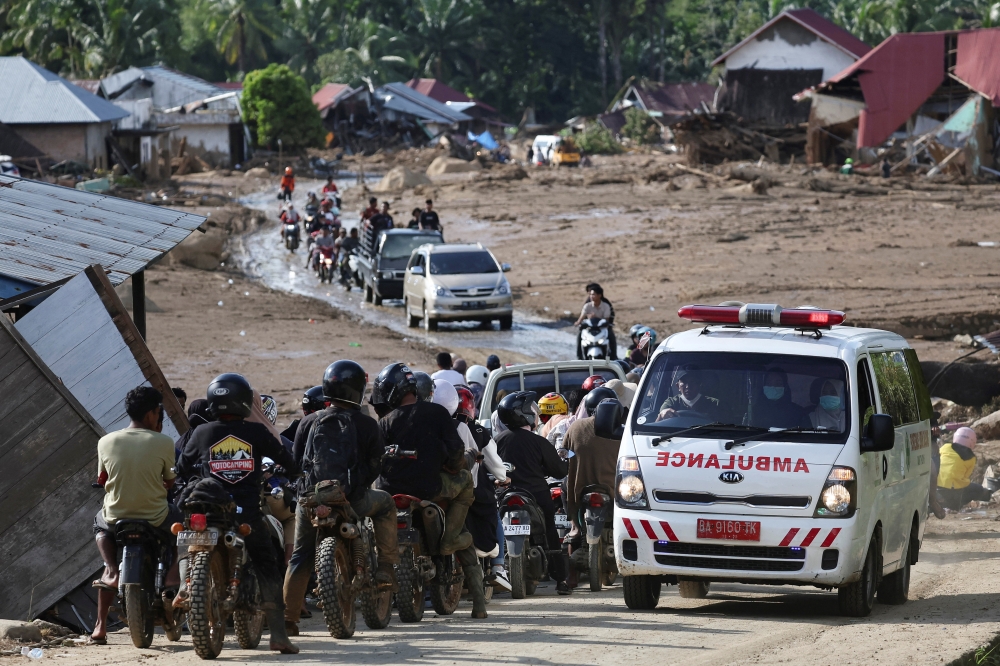
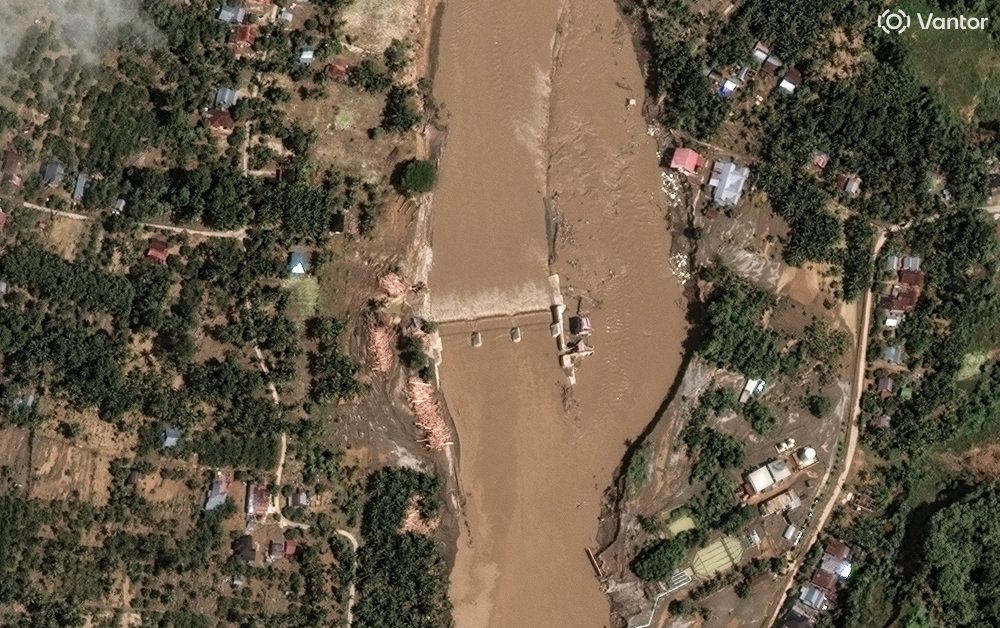





JAKARTA, Indonesia — Three cyclones happened simultaneously across South and Southeast Asia this week, the latest of several huge storms that have battered the region, killing at least 1,200 people, with hundreds more still missing and millions displaced.
Since the start of this year, there have been at least 16 cyclones and dozens of depressions in the Pacific and Indian oceans. Even moderate cyclones now produce extreme rainfall and can cause widespread flooding, said Roxy Mathew Koll, a climate scientist at the Indian Institute of Tropical Meteorology.
“It is the rainfall and the cascading impacts — landslides and flash floods — that stand out this year, not necessarily the number of storms,” Koll said.
Cyclone Ditwah hit Sri Lanka and is expected to move toward India. Cyclone Senyar reached Indonesia and is now headed toward Malaysia.
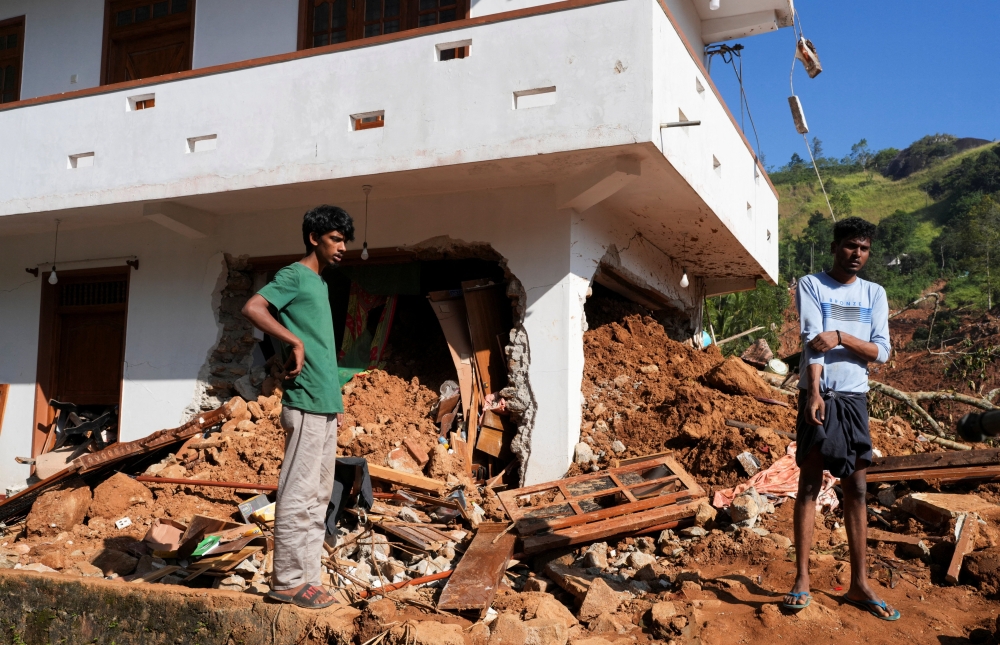
In Sri Lanka, the president said Monday that the island nation was facing the “largest and most challenging natural disaster in our history,” affecting every part of the country, exceeding the scope of the devastating 2004 tsunami, which hit coastal areas.
Here’s what to know about this year’s devastating monsoon season.
Which countries are affected?
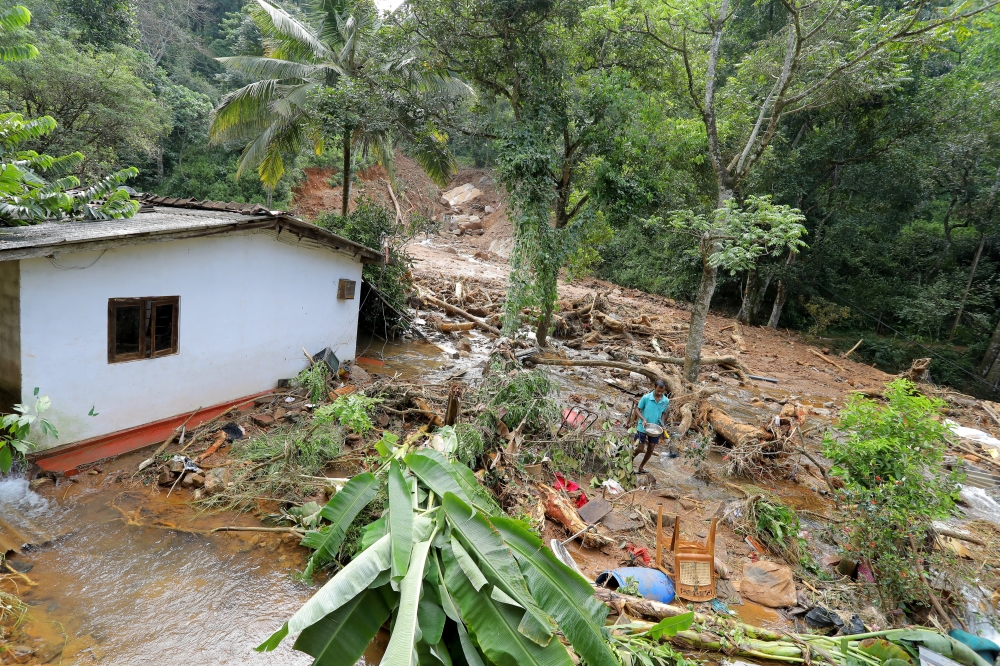
Flooding and landslides in Sri Lanka have affected more than 1 million people, and more than 15,000 homes have been destroyed. The death toll in Sri Lanka rose to at least 355 on Monday, with hundreds more still missing.
Officials in Indonesia said the flooding had affected 1.5 million people and displaced about 570,000. Nearly 300,000 people in Indonesia had been evacuated from their homes as of Saturday. Indonesia’s official death toll has reached 604, and 464 others were still missing.
Vietnam has been hit by 14 typhoons this year, with the 15th major storm forming off the country’s south central coast. More than 90 people in the nation were killed in November from flooding and landslides.
At least 160 people have died in Thailand, where flooding has displaced more than 2 million residents. Last week, Thailand’s military sent troops, helicopters and boats to rescue people stranded by flooding in its southern provinces.
In early November, the Philippines was hit by two typhoons in the span of one week. Troops mobilized alongside emergency workers to prepare for Super Typhoon Fung-wong on Nov. 9, less than a week after another storm left more than 200 people dead.
What is unusual about this year?
This year’s monsoon season has been unusually intense, partly because of La Niña — a weather phenomenon in which strong winds push warm water across the Pacific toward East Asia, creating conditions for storms to form. The words hurricane, typhoon and cyclone all refer to the same type of storm, but different terms are used for such storms in different parts of the world.
While monsoon rains happen every year, cyclones are rare in regions near the equator. Tropical cyclones spin because of a force caused by the planet’s rotation. It is unusual for storms to form near the Earth’s equator, where this force is weakest. But Typhoon Senyar formed about 5 degrees above the equator in an ocean strait between Indonesia and Malaysia.
How is climate change affecting these storms?
For more than a century, greenhouse gases emitted by human activity have trapped heat inside the planet’s atmosphere. Last year was the hottest year since reliable record-keeping began. The oceans have also heated significantly, and warmer water helps tropical cyclones form and strengthen more rapidly.
In the Bay of Bengal, the body of water between India and Myanmar, the proportion of storms that become extreme has increased over the past 50 years.
The hotter climate is also weakening vertical wind shear, the winds that often help break up developing storms, in some places around the world. A 2024 study suggested that warming of the Tibetan Plateau may have reduced wind shear over the Pacific Ocean surrounding Southeast and East Asia, while others show that wind shear over the Arabian Sea has also weakened since the 1990s, allowing stronger cyclones.
This year’s storms occurred alongside extreme regional rains. In Southeast Asia, late-season typhoons often coincide with monsoon rains in November and December, though this overlap is unusual in South Asia.
Because warmer air can hold more moisture, rising global temperatures increase the potential amount of rainfall, making the monsoon season more variable, intense and unpredictable.
How are governments responding?
The countries affected by this year’s storms have uneven climate adaptation plans and are already struggling to adapt to environmental pressures. Many of these governments are also facing complex economic and political challenges, along with public pressure to respond to disasters quickly and effectively.
Sri Lanka’s recovery from a human-caused economic crash in 2022 is still fragile. Dr. Vinya Ariyaratne, the president of one of Sri Lanka’s largest community-based development organizations, said that all the country’s 25 districts have been affected.
“The whole country is a disaster zone, except for a few places,” he said. “That’s the difference between the tsunami and this one — the tsunami was only in coastal areas.”
In Indonesia, the world’s fourth most populous nation, thousands of people came to the streets in September to protest the yawning wealth gap. Youth unemployment has exceeded 16%, and the capital, Jakarta, is sinking into the Java Sea, its groundwater sucked dry and rivers overrun by its millions of residents.
Some in Vietnam have begun to criticize the government’s lack of preparedness and slow response. Natural disasters have caused more than $2 billion in damage between January and October, according to the national statistics office.
In September, thousands of Filipinos filled the streets of Manila to protest the government, which they accuse of misappropriating billions of dollars that were designated for flood relief projects. Greenpeace, an environmental group, estimated that about 1 trillion Philippine pesos, or $17.6 billion, that was supposed to help the country confront chronic and deadly flooding, had been embezzled.
This article originally appeared in The New York Times.
Oman Observer is now on the WhatsApp channel. Click here