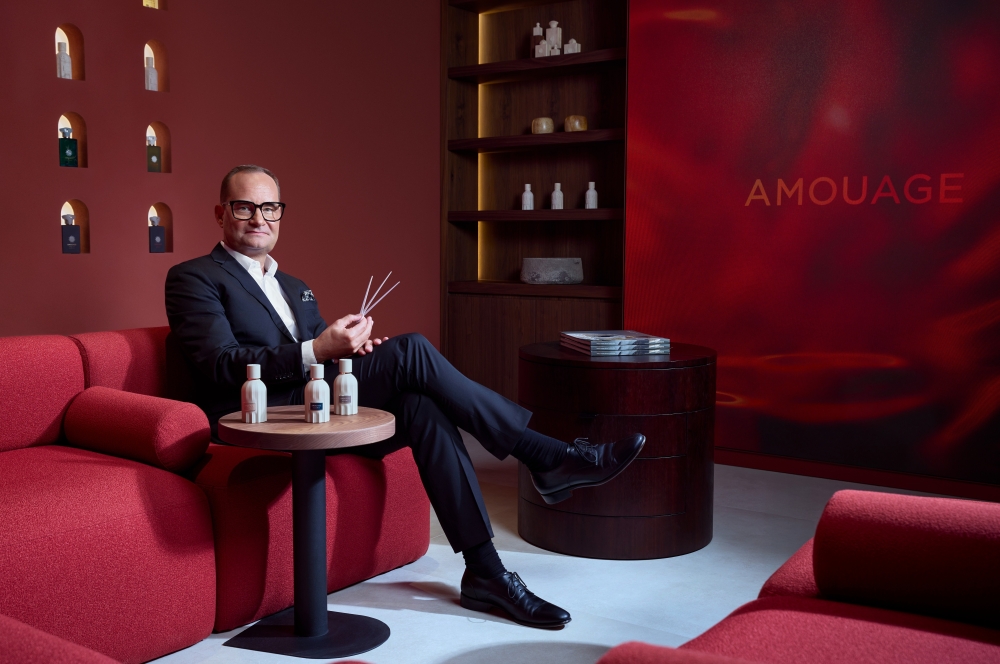
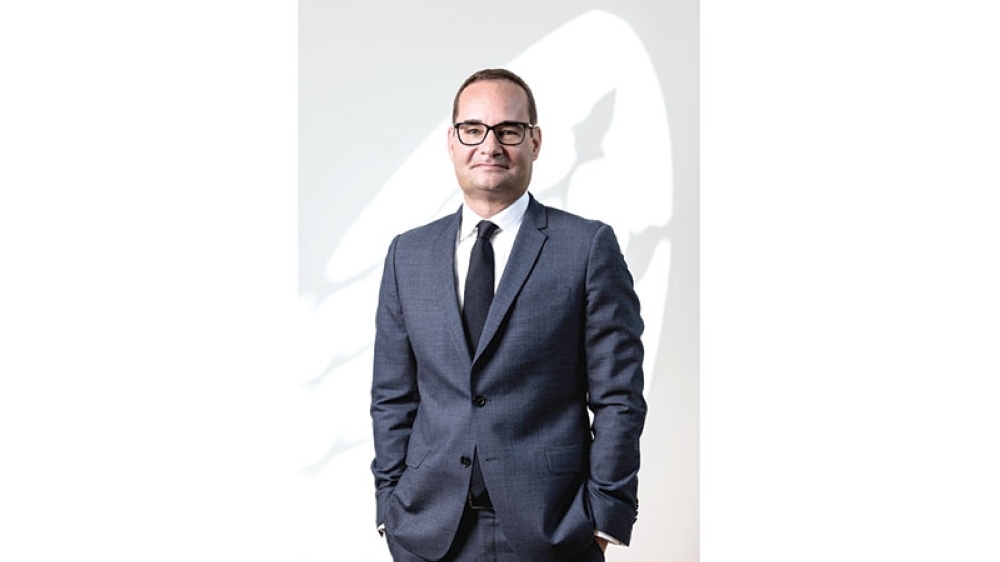





MUSCAT: Amouage, the luxury perfumery born in the Sultanate of Oman, is carving a distinct global niche by marrying deep cultural authenticity with a product-first commercial strategy, CEO Marco Parsiegla told delegates at the Oman Luxury Summit, by Miss Tweed, in Muscat.
Speaking at the Mandarin Oriental during the three-day summit, Parsiegla outlined the brand’s transformation since 2019 and the strategic choices that have underpinned Amouage’s emergence as a leading high-perfumery house. With annual sales exceeding $300 million, Amouage has repositioned itself away from broad lifestyle luxury towards concentrated, artisanal fragrances rooted in Omani raw materials and craft traditions.
“Our focus is high perfumery from the Sultanate of Oman”, Parsiegla said, emphasising deliberate moves to strengthen authenticity. That included a full relocation of production to Oman, consolidating manufacturing under one roof, roughly 20 minutes from Muscat. The vertically integrated model, he argued, enables tighter quality control and faster iteration — key advantages in a category where ingredient provenance and concentration matter to discerning buyers.
Parsiegla described a product-first philosophy that elevates ingredient mastery and time-intensive processes. He pinpointed frankincense, rock rose, and amber wood as Amouage’s core DNA and said the house deliberately uses higher concentrations of fragrance oil — averaging about 25% in many eau de parfums and reaching 40–55% in select statements — to deliver perceived value and longevity. Those choices, he added, have driven significant growth in the brand’s premium segment and allowed Amouage to “own” a high-concentration category.
Investment in craftsmanship extends beyond formulation. Parsiegla showcased Amouage’s creative ecosystem — a “collective” that brings master perfumers, artists, musicians, and artisans together for bespoke collaborations. The group’s approach rejects mass briefs in favour of one-to-one creative partnerships, producing curated packaging, original music and artistic visuals tailored to each fragrance. This holistic brand architecture bolsters differentiation in an increasingly crowded luxury market.
Sustainability and supply-chain transparency also featured prominently. Parsiegla described Amouage’s Wadi Dawkah initiative, which tags and geotags each frankincense tree, creating what he called the region’s first “smart forest”. The digital traceability platform logs harvesting activities and tree data, and will be integrated with a visitor centre and distillery aimed at both education and tourism. The initiative blends conservation with community-driven practices, positioning Oman’s frankincense heritage as both a cultural asset and a commercial differentiator.
Parsiegla framed these investments as value creation rather than cost, arguing that higher input costs — including a more than 60% rise in fragrance oil expenses for certain materials — are validated by consumer willingness to pay for authentic, high-performing products. He also highlighted production practices such as multi-stage ageing and a nine-step maturation process that, he claimed, materially improve scent complexity and longevity.
For Oman, Amouage’s strategy has broader sectoral implications. The company’s decision to repatriate production and amplify cultural assets demonstrates how domestic luxury manufacturing can boost value retention and spur tourism-linked experiences. Collaborations with institutions like the Royal Opera House in Muscat underscore opportunities to integrate cultural sponsorships into brand narratives, elevating national soft power while expanding commercial reach.
Parsiegla closed with a pointed admonition for brands: be “true to who you are”. His message to Omani and global luxury participants was clear — superficial motifs will not substitute for authentic cultural expression. For Amouage, the bet is that investing in provenance, craft and transparent storytelling will convert heritage into sustainable commercial advantage and position Oman not merely as a source of ingredients, but as a home for genuine luxury. If executed well, Amouage’s model could become a blueprint for other Omani brands seeking international premiumisation and cultural resonance globally.
Oman Observer is now on the WhatsApp channel. Click here