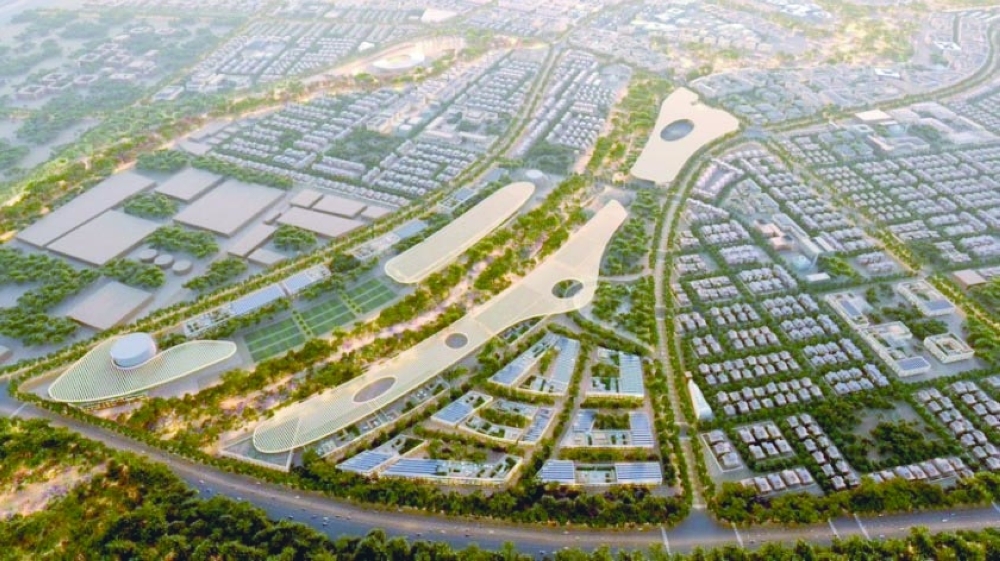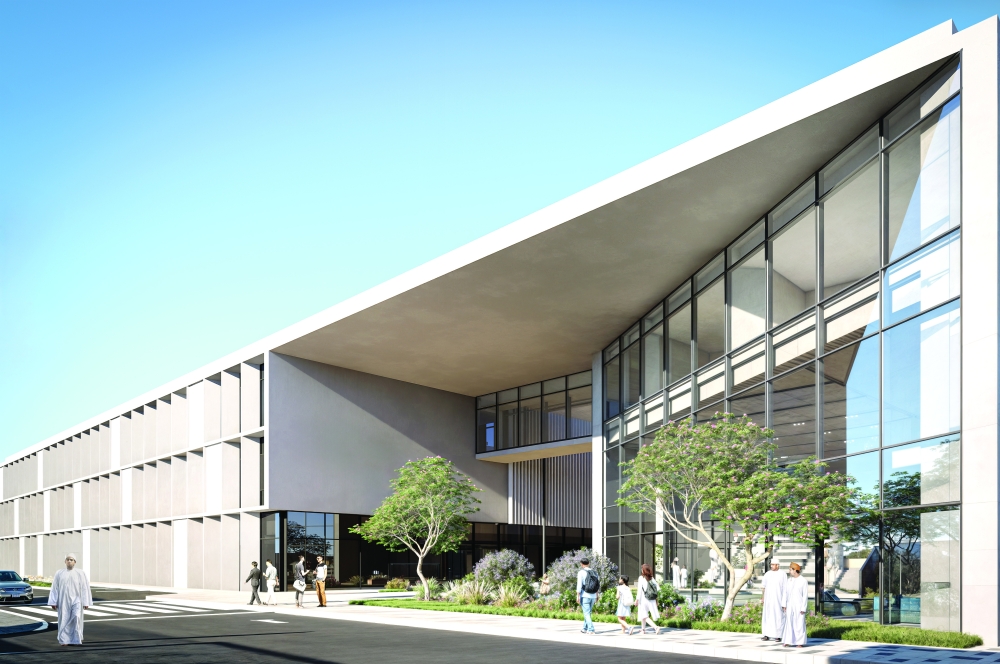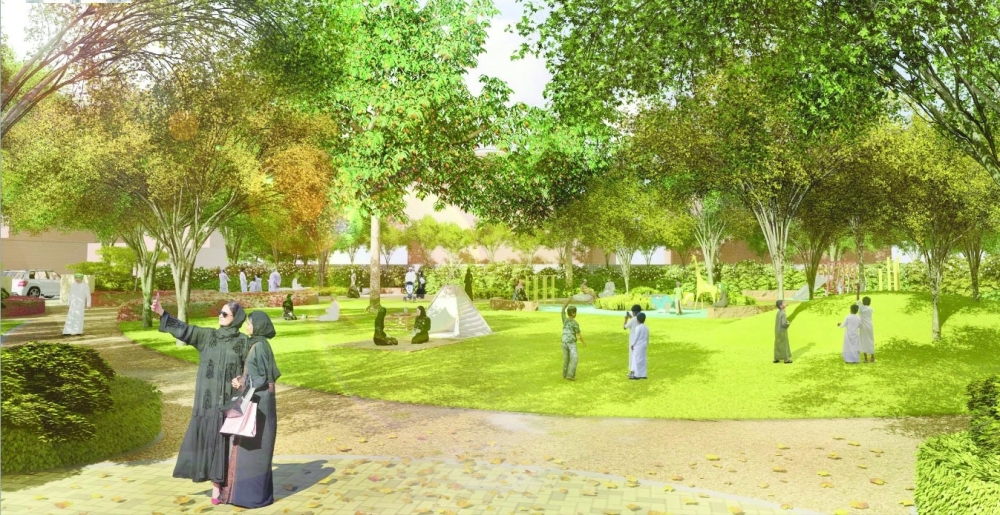





The Sultan Haitham City won second place in the Visions for the Future Under Development category at the 2025 Middle East Landscape Awards for its landscape design for the first phase.
The awards ceremony was held in Abu Dhabi, the capital of the United Arab Emirates (UAE), with participation of prominent urban design and sustainable development projects from across the region.
The project reflects an integrated urban vision developed in partnership between LWK + Partners and Meinhardt, specialized in urban and engineering design fields. It is based on repurposing the central valley and green circulation axes to create a vibrant ecosystem within the city, making nature an integral part of the city’s infrastructure. The project is developed through an interconnected network of shaded pathways, open spaces and pedestrian and cycle tracks, allowing for the use of public spaces throughout the day. The project also incorporates smart climate solutions, including tree canopies of up to 10 metres in height and cooling pathways that utilize wind and solar to create a thermally comfortable environment for daily use.
The city boasts a vast ecosystem encompassing the central park, community gardens and a green corridor connecting neighborhoods, protected natural areas and biodiversity zones. According to the master plan, the city has 2.9 million square metres of green spaces making public spaces an essential component of daily life and a pivotal factor in enhancing the quality of the urban experience for residents.
The project also adopts a sustainable, low-operating-cost approach that extends for decades. Irrigation networks utilize low-consumption technologies, in addition to using treated water and powering part of the irrigation system with solar energy. This reduces water consumption by 40 per cent to 60 per cent compared to traditional systems. Furthermore, the valley was designed to accommodate rainwater runoff and increase soil permeability, thus reducing pressure on traditional drainage networks and promoting the management of natural resources within the site.
Oman Observer is now on the WhatsApp channel. Click here