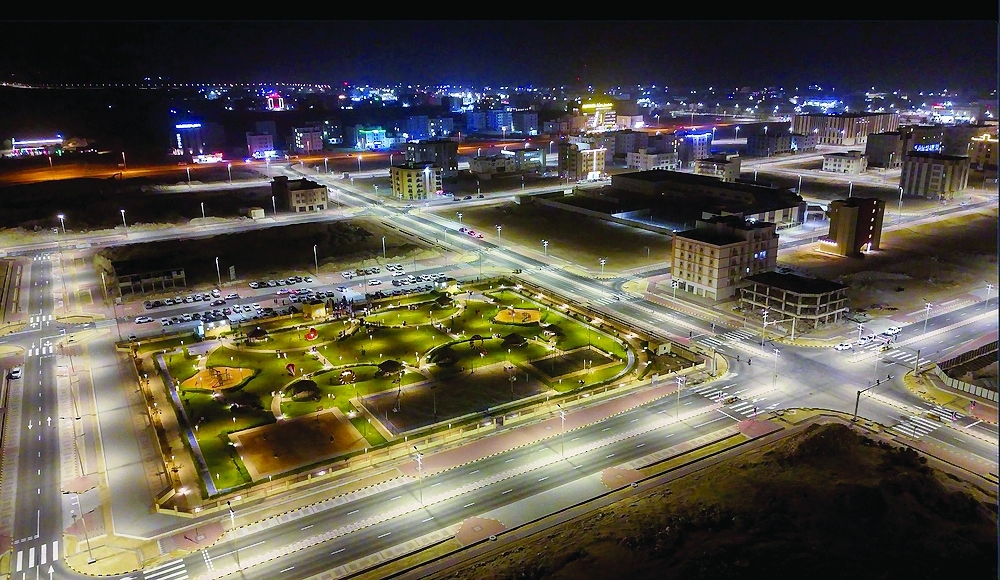





Al DUQM: The Special Economic Zone at Duqm (SEZAD) has begun implementing its 2025–2030 strategy, centred on attracting new investments, enhancing operational efficiency, developing quality lifestyles, promoting tourism and achieving institutional excellence.
Engineer Ahmed bin Ali Akaak, CEO of SEZAD, said the strategy focuses on expanding investment across key sectors and advancing the development and marketing of sub-zones, particularly in tourism and renewable energy. The implementation phase has already involved a series of workshops to align management teams with strategic goals, supported by an institutional transformation programme and refreshed brand identity aimed at improving investor services and strengthening Al Duqm’s global positioning.
SEZAD continues to see strong investment growth, with committed investments rising to RO 6.323 billion by the end of June 2025 — a 5.3% increase from RO 6.004 billion the year before. Akaak said this reflects rising investor confidence and the competitive incentives offered, as well as the robust infrastructure developed in recent years.
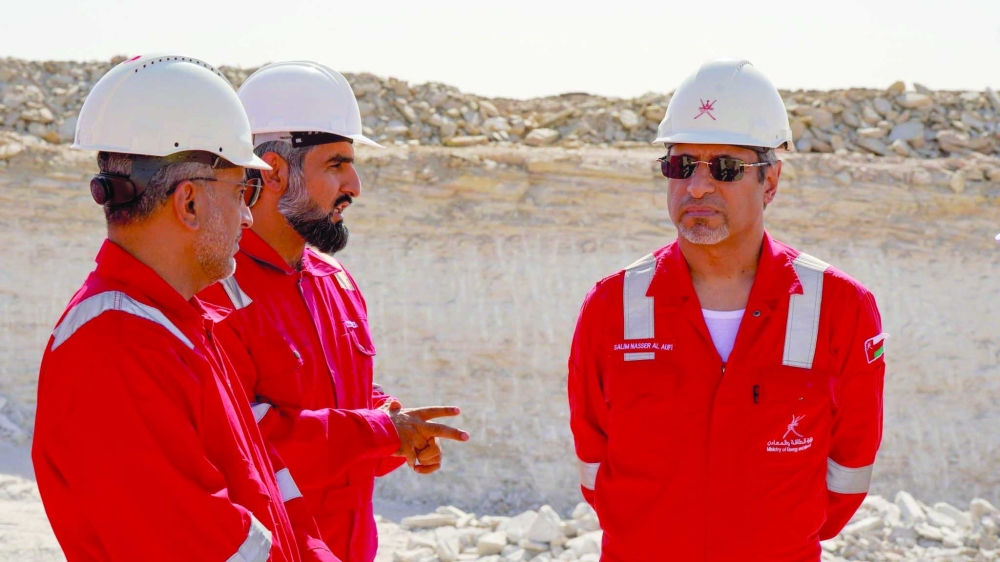
Major projects are moving steadily across various sectors. In real estate, the Maysan Square Duqm integrated business complex has reached 80% completion. In green industries, Jindal Steel’s green steel plant is 26% complete, while ACME’s green ammonia project — designed for 100,000 tonnes of annual production — has reached 17% progress, with the first phase slated for completion in July 2027.
The zone is also expanding its industrial and logistics base. The first phase of the Mawarid Turbine factory, valued at over RO 70 million, was launched this year. The plant, expected to be operational in 2026, will manufacture wind turbines of up to 9.6 MW capacity and create more than 1,000 jobs.
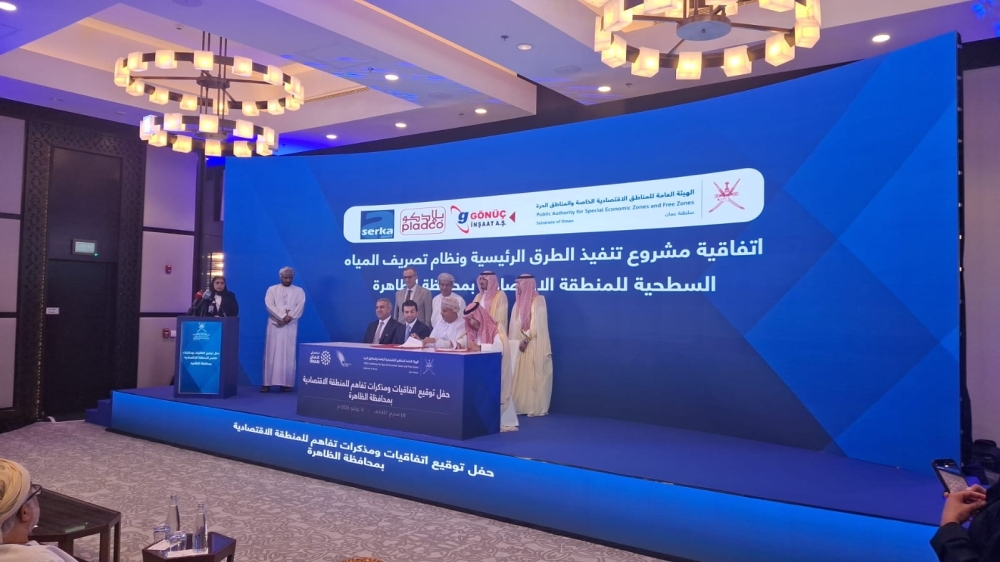
Infrastructure development remains a priority. Key road projects are nearing completion, including the 51-km dual carriageway between Duqm Airport and Ras Markaz storage tanks, the 94%-complete Sultan Said bin Taimur (South) road and National Highway 32, whose two phases have reached 83% and 58% completion. A new 16-km dual carriageway has also been awarded to support tourism development by linking coastal areas to the fishing port and food processing complex.
To enhance liveability, SEZAD has completed the 13,000 sqm Business District Park, internal road networks; and modern sewage and irrigation systems. A multi-purpose community complex overlooking the beach — now 95% complete — will soon offer new leisure and social facilities for residents and employees.
Business activity in the zone is rising sharply. In the first half of 2025, SEZAD signed new usufruct agreements worth RO 22.6 million and recorded 19 new investment applications, up from 7 last year. Commercial registrations increased from 68 to 225, alongside 181 economic activity licences, 262 public service licences and 599 work permits.
Employment in the zone has also grown, with total workers exceeding 12,400 and Omani employees rising to 3,245 — more than double the number recorded last year. Omanisation has increased to over 26%, compared to 20% in mid-2024.
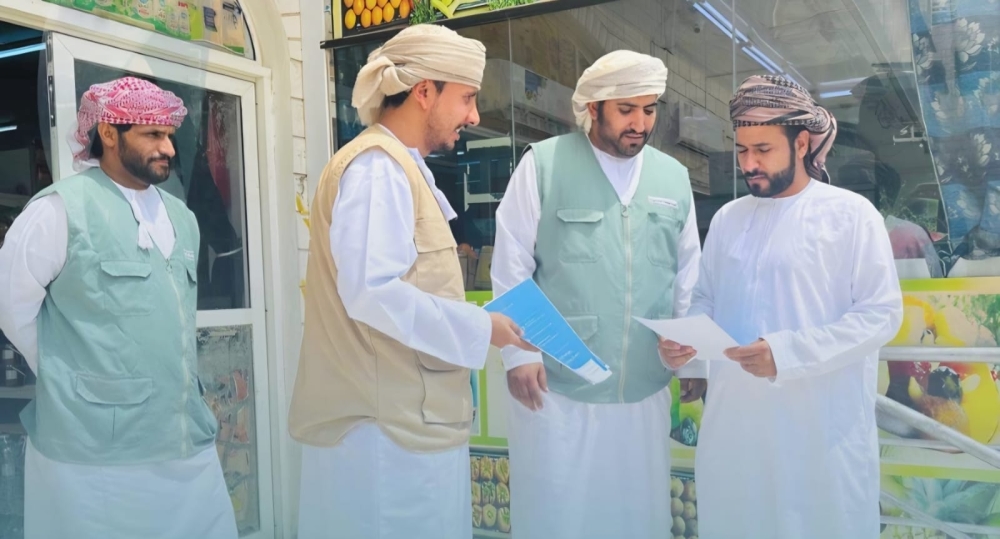
SEZAD continues to support small and medium enterprises, which now total 541 active firms. These include 463 micro-enterprises, 59 small firms and 19 medium-sized businesses. Akaak said SEZAD offers a 50% reduction in service fees, along with training and performance monitoring through its Partnership and Development Department, to help SMEs seize opportunities emerging from the zone’s growing portfolio of projects. — ONA
Oman Observer is now on the WhatsApp channel. Click here