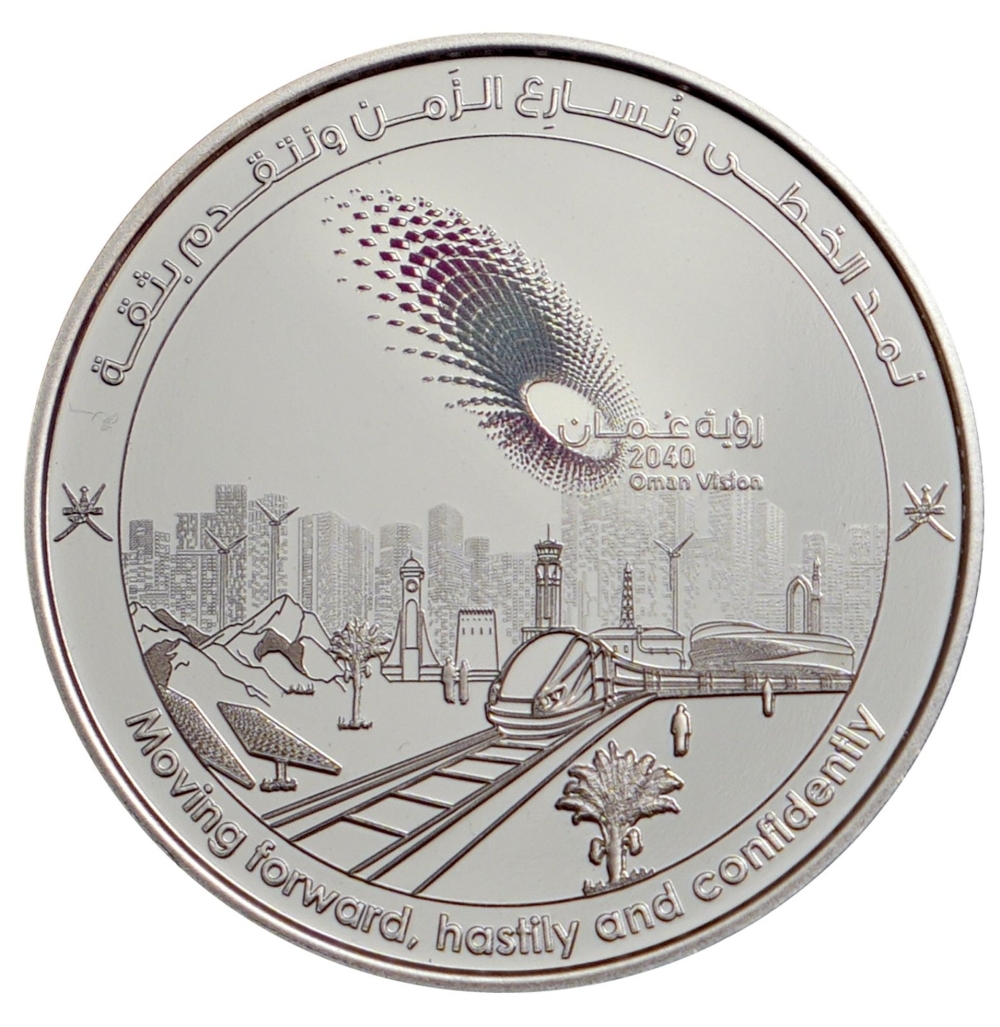





MUSCAT: The initial five-year phase of Oman Vision 2040 has culminated in the realisation of over 100 distinct national accomplishments spanning its four fundamental pillars. This period witnessed the execution of hundreds of strategic projects, initiatives and programmes that have tangibly advanced the nation's developmental priorities. These wide-ranging endeavours are framed within four core pillars including Society and People; Economy and Development; Environment and Sustainability; and Governance and Institutional Performance.
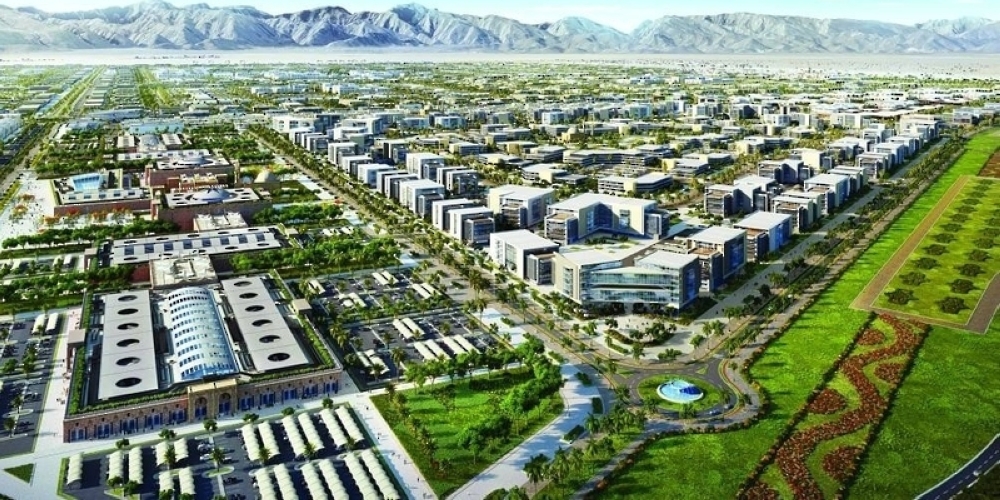
The tangible outcomes of these national projects are manifested through enhanced services — including modern schools, hospitals, road networks and public facilities — that collectively elevate living standards across every governorate. They have fostered a more diversified economic landscape, driven by strategic investments and new opportunities that stimulate nationwide growth.
Significant progress is also evident in environmental sustainability, supported by green initiatives that preserve natural ecosystems while contributing to economic value.
DIGITAL ERA
A comprehensive digital transformation has streamlined government transactions, making them more accessible and transparent. Furthermore, these years have showcased inspiring narratives of individual achievement, highlighting citizens who exemplify national values of creativity and dedication.
The Society and People pillar has served as the foundational cornerstone for numerous initiatives targeting educational advancement, national capacity-building, a world-class healthcare system, strengthened national identity, and a robust social welfare framework that ensures a dignified life for all citizens. Within education, a radical transformation is under way across both general and higher education.
From 2021 to 2025, 188 schools were constructed or refurbished, a comprehensive plan to digitise curricula for grades 1-12 was implemented, and the 'Noor' e-learning platform was launched, providing high-quality, interactive digital educational content accessible to students from any location. The initial phase has integrated 140 schools. A vocational and technical education track for grades 11-12 has also been initiated across nine specialisations, including Business Administration and Information Technology in Muscat and Al Batinah North, and Travel and Tourism in Dhofar and Al Dakhiliyah.
In higher education, the University of Technology and Applied Sciences was established through the consolidation of technical colleges, colleges of applied sciences, and Al Rustaq College of Education. The university now serves over 48,000 students across 11 branches and offers 48 academic specialisations. The innovation sector recorded notable achievements, including the founding of the Industrial Innovation Academy, which comprises six strategic programmes. Over three years, 360 young Omanis have qualified as Industrial Innovation Specialists, with more than 40 national factories and companies benefiting from the academy's services.
HEALTH SECTOR
Healthcare infrastructure witnessed substantial development with the opening of Al Mazyunah Hospital in Dhofar and the construction of three new hospitals: the new Sultan Qaboos Hospital in Salalah, Al Suwaiq Hospital and Khasab Hospital, alongside the expansion of Sohar Hospital. These facilities add over 1,800 hospital beds at a construction cost exceeding RO 300 million.
The past five years also saw the establishment of the University Medical City, the Medical City for Military and Security Services, the Central Public Health Laboratory, and several private hospitals, including Oman International Hospital and Al Saada Hospital. New cardiac catheterisation units became operational at Suhar and Nizwa hospitals, an Intravenous Solution Preparation Unit was created at Sultan Qaboos University Hospital, the Muscat Recovery Centre was established, and several pharmaceutical factories were launched to localise drug manufacturing, meet domestic demand and boost non-oil exports.
The health sector achieved remarkable medical milestones performed by national medical teams, including the separation of conjoined twins, a heart transplant from a brain-dead donor, a tumour resection using an awake craniotomy technique, and a cochlear implant for a nine-week-old infant.
CULTURE
Cultural development under the Welfare and Social Protection priority included the establishment of the Oman Cultural Complex in Muscat, the Oman Maritime Museum in the Wilayat of Sur, the Oman Across Ages Museum in the Wilayat of Manah, the Oman's Glories Museum in the Wilayat of Suhar, the Fateh Al Khair Centre in Sur, and the Bisya and Salut Visitor Centre in the Wilayat of Bahla.
Several international cultural events promoted messages of peace and coexistence from Oman to the world, including the 'Oman Corner' at the Hermitage Museum in Russia, featuring 28 artefacts reflecting Oman's ancient heritage. The "Message of Peace from the Sultanate of Oman" exhibition was displayed at over 136 global locations, with its materials translated into 29 languages.
Social initiatives featured the creation of the Social Protection Fund, serving over 1.45 million beneficiaries by August 2025, with 598,000 actively insured Omanis. The National Autism Centre was established to provide high-quality rehabilitation and therapy from childhood through adulthood, currently serving 222 individuals with autism spectrum disorder through various local and international partnerships.
The Economy and Development pillar concentrated on building a prosperous, diversified and sustainable economy, stimulating private investment and fostering inclusive growth across all governorates. Economic diversification efforts featured new mining projects such as the Al Shuwaimiyah Metal Industries project in Shaleem and Al Hallaniyat Islands, targeting 40 million tonnes annually of limestone, gypsum and dolomite; the Silica Sand project; Al Washihi Mine; Al Ghizain Mine; and copper and gold exploration in Block 10 in the Wilayat of Yanqul, alongside the redevelopment of the Al Aseel and Al Bayda copper mines.
The heavy and medium industries sector celebrated major milestones, including the inauguration of Duqm Refinery in 2024 with an initial capacity of 230,000 barrels per day, later increased to 255,000 bpd in 2025. Other significant projects launched include the Salalah Ammonia Plant (365,000 metric tonnes annually), Karwa Motors factory in the Wilayat of Al Duqm, a Vanadium and Niobium Ingots factory supplying international markets, a Metallurgical Silicon plant, and an Aluminium Wheel plant in Suhar (1.2 million wheels annually in its first phase).
INDUSTRIAL PROJECTS
Upcoming industrial projects include the Polyacrylamide plant in Suhar — the world's second-largest polymer production facility with an investment exceeding RO 115.3 million — and the Mawarid Turbine factory in Al Duqm for wind turbine components (1,000 MW annual capacity). An Iron Ore Concentrate plant in Suhar is expected to commence operations in 2027.
Tourism projects like the Yiti Sustainable City and the 3-km Muttrah Cable Car, expected to operate in Q1 2026, aim to enhance visitor experiences. Food security initiatives included an Omani Abalone Aquaculture project in Mirbat (600 tonnes annually), a Natural Shrimp Aquaculture project (4,000 tonnes annually), and an Omani Wheat Production project in Najd (10,000 tonnes from over 6,000 acres).
Concurrently, national capacity-building programmes like the Training Linked with Replacement or Employment project, the National Integrated System for Capacity Building and Talent Management, and the "Tawteen" platform were launched to prepare Omani talent for new economic opportunities.
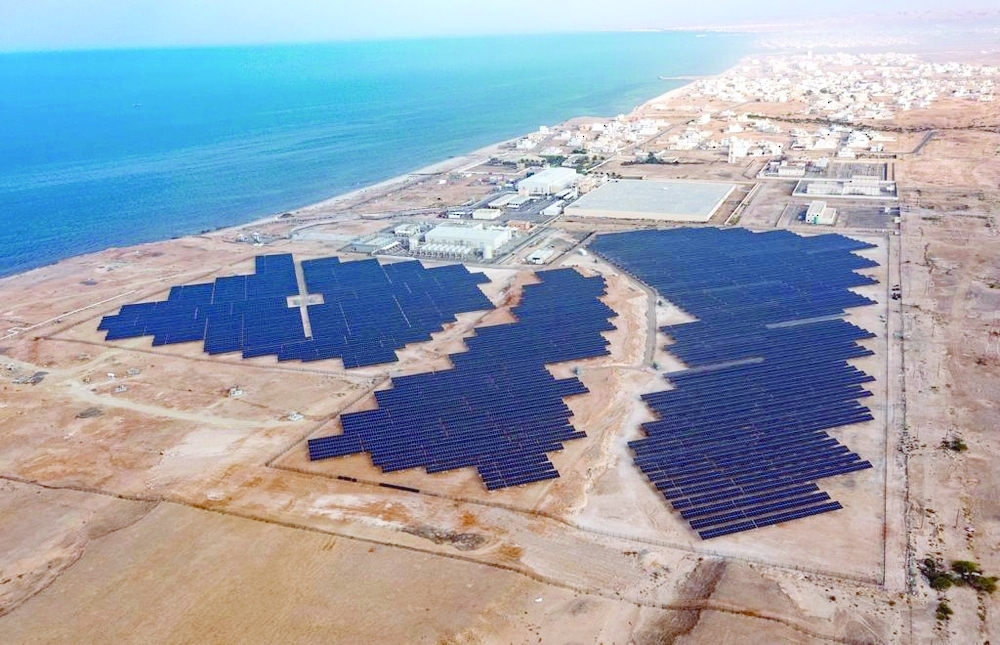
The Environment pillar prioritised natural resource sustainability through initiatives like the National Strategy for Carbon Neutrality, encompassing 212 projects and initiatives until 2025.
Green industry projects include the Vulcan Green Steel plant and Vale Global Iron Complex in Al Duqm, plus a Waste-to-Energy project in Barka. Green tourism expanded with five new nature reserves, bringing the total to 31 reserves and 33 environmental sites.
The Botanic Garden in Al Seeb — the largest in the Arab world — houses a database of 1,200 rare and endangered Omani plant species and over 40 varieties of fruits, vegetables and medicinal plants. The Royal Razat Farm tourist path in Salalah and the Duqm Special Economic Zone nursery, planting 5,000 trees, further promote environmental awareness. - ONA
Oman Observer is now on the WhatsApp channel. Click here