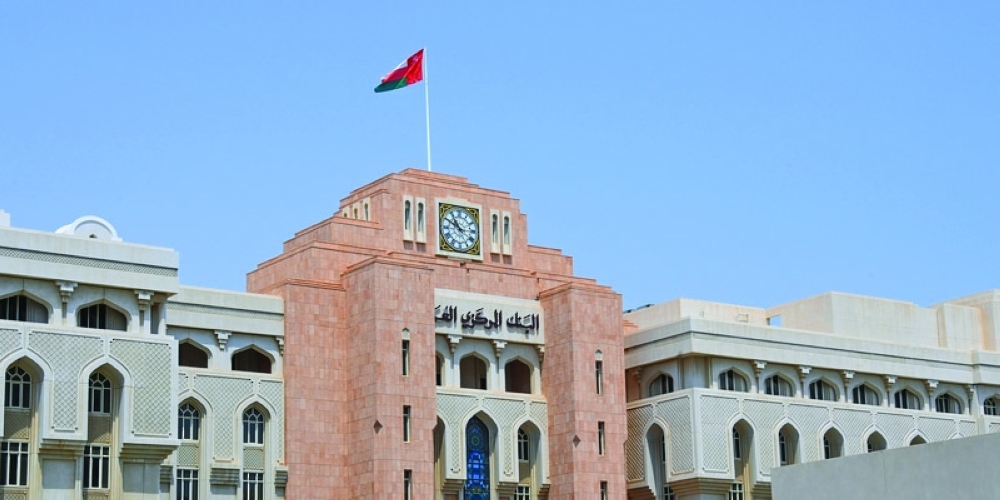
It is that time of the year we see the buildings adorned with lights of national colours. This week the tallest flagpole became a screen of national spirit.
This year is also the first time the celebration will be on November 20 marking the beginning of Al Busaid State. It was founded by Ahmad bin Said al Busaidi on November 20, 1744. Read through the history, and one can recognise the places of historical importance that are now considered tourist destinations.
In history, the four variables that are critical are individuals, society, place, and time.
Each family has its own history. And you can see the effect of the history on its present and future. The importance of history is distinct because it creates identity. Knowing history develops critical thinking while helping to preserving heritage. It also gives an insight into political, economic, social, and cultural history. That is what makes history so intriguing.
History is not just meant for classrooms and museums, but it is to be part of history, arts, and conversations.
There are different ways history can be preserved. From a journalistic perspective, today's breaking news invariably becomes part of tomorrow's narration of history. November 20, 2025, is a date that will be etched once again in the modern history of Oman as the renaissance continues under the wise leadership of His Majesty Sultan Haitham bin Tarik, with the focus on long-term financial stability, governance, green energy, diversification of the economy by strategising in renewable energy, technology, tourism, logistics, supporting small and medium enterprises, and moving towards a circular economy while fostering innovation and adaptability.
Today we have photos, audio and video recordings, and digital archives. They all serve as verifiable records of public life.
Documentary films, narrative podcasts, and print features offer, context, analysis, and storytelling that preserve not only facts but also the human meaning behind events, making complex historical moments relatable, understandable, and memorable.
Interviews by journalists can be considered oral history projects. Profiles of ordinary people can become part of community memories and recordings of which can be preserved voices and perspectives. If not recorded, these could be lost forever. If preserved, the collection becomes part of the collective memory of a society.
What is important is to avoid sensationalism, and what is required is a balanced analysis.
Oman's National Records and Archives Authority collects, preserves, and protects national documents while organising the government archives to ensure their validity for future generations. It works to document the history and cultural heritage of the Sultanate of Oman and provide research and documentation services to government entities and individuals.
Today digital writings such as blogs are part of online archives. Before writing, societies preserved history through storytelling. The beauty is that this can be experienced in Oman even today in the digital world.
At a recent event in a mall celebrating the national spirit, in came an Omani folklore band, mesmerising everyone.
One can experience history through folktales and myths, songs and chants, proverbs and poems, as well as narratives by elders.
An interesting entity is the Oman Centre for Traditional Music. The centre's work includes collecting and documenting music, preserving historical songs and dances, and organising activities and workshops to promote and discover new talent.
His Majesty Sultan Haitham bin Tarik in May 2024 issued a Royal Decree transferring the Oman Centre for Traditional Music from the Diwan of Royal Court to the Ministry of Culture, Sports and Youth.
Poetry is an essential part of Ar Razah, Al Masbaa, Al Taghroud, Al Midan and Al Tashahshah. The centre ensures there is a continuity in the knowledge and performance of the folk art forms, which is another way of preserving history.
So go ahead and enjoy, as history is being made.
Oman Observer is now on the WhatsApp channel. Click here