




Muscat- The Governorate of Muscat continues to implement ambitious projects in all its wilayats to enhance economic and urban development and improve the quality of services provided to citizens and residents.
The governorate has implemented a wide range of development and service projects that embody its vision of improving the quality of life, strengthening the infrastructure, and supporting digital transformation, in line with the objectives of the Vision 2040
Saud bin Hilal al Busaidi, Governor of Muscat, said that the Governorate is working to achieve a balance between economic, social, and environmental development through an integrated institutional approach that combines strategic planning and field implementation, and close cooperation with government agencies, the private sector and civil society and local institutions.
He said that Muscat is the beating heart of the Sultanate of Oman, as it is home to government institutions and the headquarters of local and international companies, and is distinguished by an advanced infrastructure that includes ports, industrial zones, Muscat International Airport, commercial centers and markets, in addition to incubators, accelerators, and innovation and entrepreneurship centers.
Infrastructure Development : Al Mouj Street
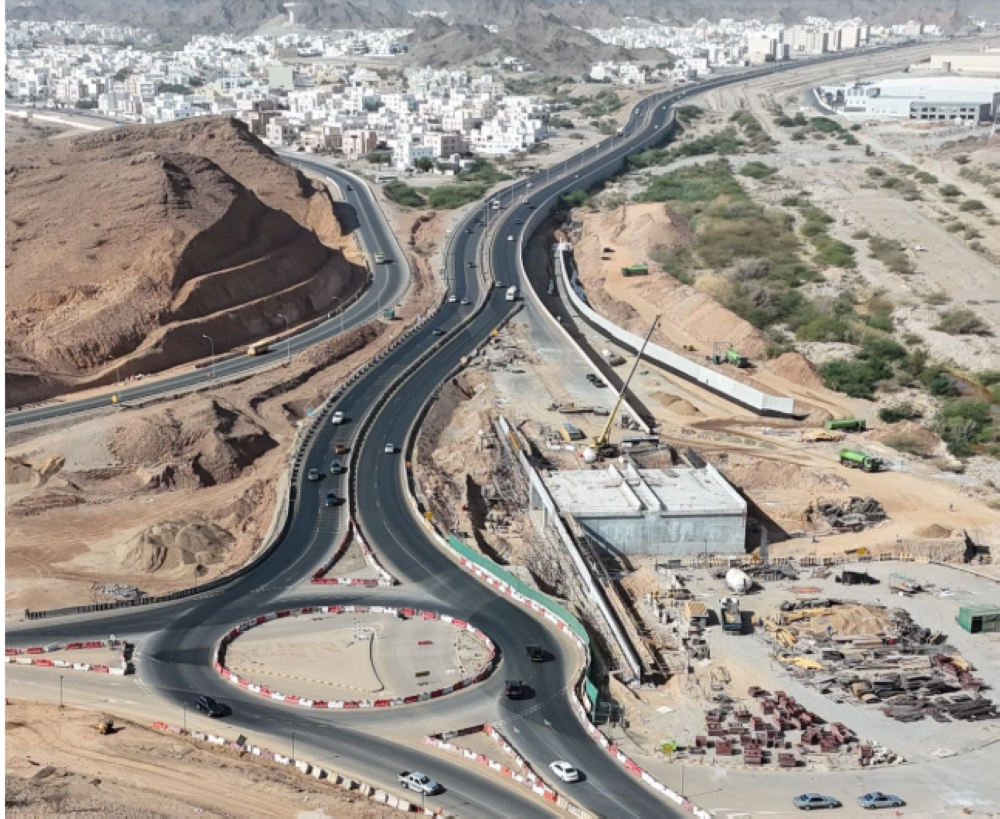
The Al Mouj Street in Muscat Governorate is undergoing a comprehensive development project aimed at improving traffic flow and boosting commercial and tourism activity in the area. The project includes adding a third lane in each direction from the Muscat International Airport Bridge to Al Ishraq Roundabout towards Seeb Beach, constructing a bridge and four-way traffic lights at Al Mouj Roundabout, and building an overpass and underpass at the existing Al Bahja Roundabout.
The project also includes upgrading Al Ishraq Roundabout to a three-way traffic light system with lanes allowing continuous traffic flow towards Seeb Beach, adding a third lane from Al Mouj Roundabout to Al Mawaleh Bridge, and constructing two underpasses for vehicles traveling from November 18 Street towards Al Mawaleh Bridge. This project is expected to bring about a significant transformation, enhancing the efficiency of Muscat's vital road network and improving the quality of transportation and services in the area.
Muscat Municipality has awarded the contract for the dual carriageway connecting Al-Nuzha Street to the Muscat Expressway in the Wilayat of Al-Seeb. This project aims to enhance traffic flow in the area and includes the construction of dual carriageways, service roads, and intersections equipped with modern drainage systems. The road is 11 km long, with a 3.5 km single-lane service road, six signalized intersections, and a 2.5 km drainage channel.
Hawiyyat Najm
Muscat Governorate has implemented several projects to attract tourists, most notably the "Hawiyyat Najm" project in the Wilayat of Qurayyat. This is the largest environmental and tourism project in the Sultanate of Oman, covering an area of nearly half a million square meters. The project combines leisure and environmental sustainability, featuring expansive green spaces, world-class camping and caravan facilities, cycling paths, and event areas, in addition to utilizing solar energy and water recycling units. The project is expected to create approximately 300 job opportunities and has a capacity exceeding 800 visitors daily during peak times.
The Muscat Governorate is distinguished by a modern road network that has contributed to improving the flow of traffic, and recorded the lowest traffic congestion rates among Arab cities for 2025 with an index of 118.7 points, according to the global “Numbeo” website, which measures the quality and efficiency of traffic, emissions and the level of frustration during transportation, which reflects the remarkable development in the transportation system in the governorate.
Traffic Study
As part of the Muscat Governorate Traffic Study Project 2025, Muscat Municipality has completed field surveys to assess the road network and daily commuting routes. The results showed that 97% of daily journeys in the governorate are made using private vehicles, with individual journeys constituting approximately 71.9% of these. Work is underway on the Al Ansab-Al Jifnain dual carriageway project, which is about 63% complete.
The project spans 15 km with three lanes in each direction. It includes upgrading four roundabouts to multi-level intersections, constructing three main bridges connecting the road to the Al Jifnain Bridge, building 20 km of service roads, incorporating stormwater drainage systems, and installing intelligent traffic signals to ensure smooth traffic flow in various weather conditions.
Muttrah Cable Car project
The Muttrah Cable Car project, which reflects the identity of Oman and combines the charm of history with the spirit of the age. It extends over three kilometers and includes three main stations: the “Muttrah Port Station” which welcomes visitors, the “Summit of the Flag Station,” which is the largest and includes entertainment facilities, international restaurants and an open-air theater, and the “Al Ward District Station” overlooking the sea, which includes a dancing fountain and multi-use commercial spaces, making the project a unique tourist and investment destination.
Al Khuwair Square
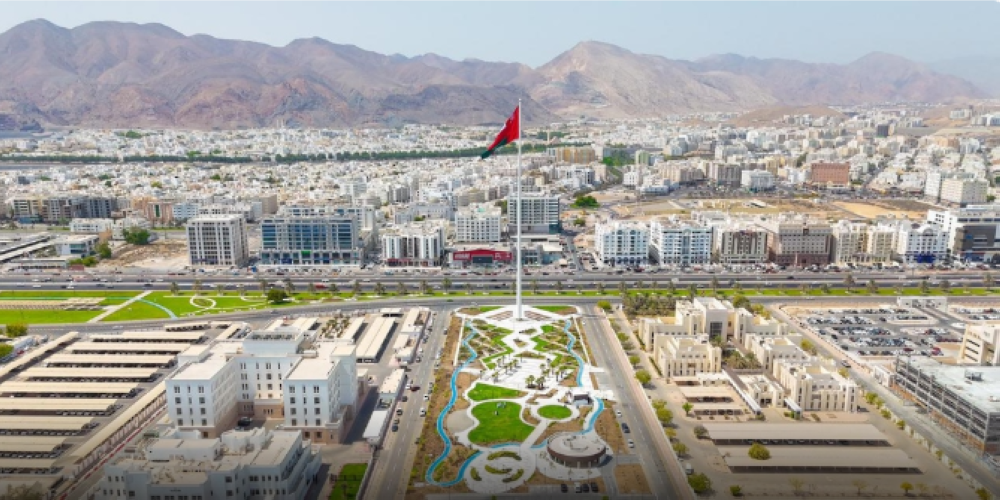
Muscat Municipality also implemented the Al Khuwair Square project in the Ministries District, with an area exceeding 21,000 square meters. It includes green spaces extending over more than nine thousand square meters, dedicated walking and cycling paths, a cafe run by Omani entrepreneurs, in addition to public facilities and parking spaces, and a 126-meter-high flagpole that is considered one of Muscat’s most prominent landmarks.
Digital transformation
The Governorate of Muscat pays great attention to promoting digital transformation in the municipal work system and government services through the implementation of several national projects and initiatives. The Governorate’s efforts in this field were crowned by the Muscat Municipality winning the “Modernity” Initiative Award for Excellence in the Cybersecurity Industry for 2025 within the category of government institutions, in recognition of its excellence in the National Cybersecurity Index.
Smart City project
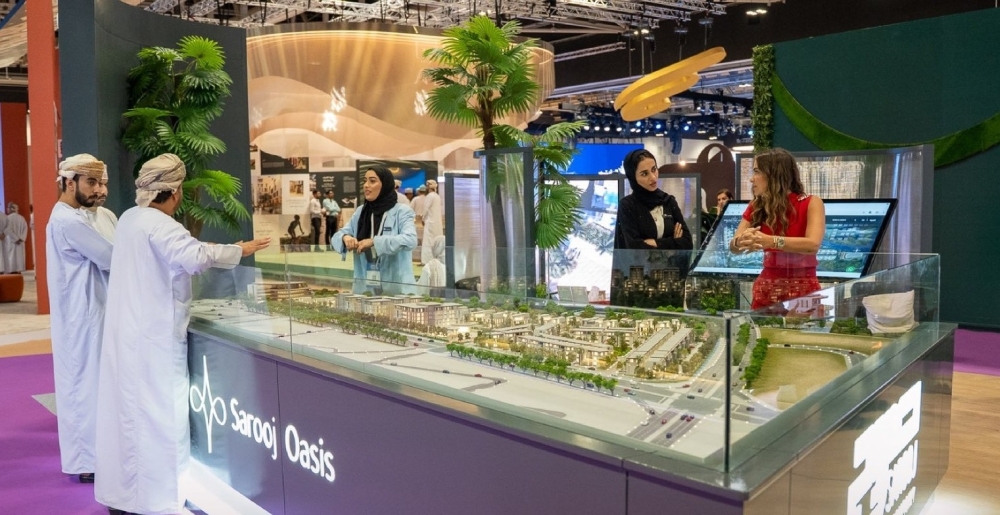
The Governorate also confirmed its active participation in the "COMEX Global Technology Exhibition 2025" as one of the most prominent participants, showcasing the role of modern technology in supporting digital transformation and quality of life. The Muscat Municipality pavilion served as an interactive platform, displaying key digital projects and smart initiatives, including the Unified Municipal System, the new interface of the Muscat Municipality website, the smart system for issuing violations, the mechanism for monitoring illegal landfill waste, smart traps for Aedes mosquitoes, and the fleet management system. The Muscat Center for Smart Cities and Self-Government, the Geospatial Portal, and the "Etamad" platform, which serves as a model for the integration of data and government services, were also presented.
On the Muscat Governorate Municipal Council side, the council continues its integrated development and service work, based on its pivotal role in enhancing quality of life and achieving sustainable development in the governorate's six wilayats (districts). The year 2025 witnessed significant activity by the council through its meetings, standing committees, and field visits, all aimed at improving municipal and development services and aligning with the objectives of Oman Vision 2040.
During the past period, the council discussed several diverse topics and came up with a set of recommendations in coordination with the competent authorities, which dealt with several urban, service and social files, including reviewing the decisions regulating the use of residential buildings for commercial purposes, infrastructure development projects such as the structural plan for the Greater Muscat project, and the design of the Wadi Al-Mih road linking the states of Muscat and Al-Amerat.
The council also paid particular attention to the educational environment, discussing requirements for private school buildings in coordination with the Ministry of Education to ensure a safe and sustainable learning environment.
On the health and social side, the Health and Social Affairs Committees visited the Muscat Recovery Center in Al-Amerat, appreciating the national efforts in the field of addiction treatment and rehabilitation, in addition to discussing the proposal to establish a “disability-friendly and elderly-friendly beach,” emphasizing the importance of strengthening preventive and community programs.
The Governorate Development and Growth Committee also followed up on the implementation of the “Muttrah Cable Car” project, given its tourism and economic value, and discussed the model neighborhood proposal and a number of vital projects that reflect the Council’s vision of achieving integrated urban development that enhances the urban and economic identity of Muscat Governorate and consolidates its position as a model for national development and prosperity.
According to statistics from the Ministry of Heritage and Tourism up to the end of March 2025, the governorate includes 242 registered historical and archaeological sites, distributed among 99 towers, 47 mosques, 43 houses, 16 neighborhoods, 15 forts, 13 castles, 8 walls, and one public square. The total number of sites that have been restored in the governorate has reached 78 archaeological sites, including 39 towers, 22 houses, 8 mosques, 5 castles, and 3 forts. In addition, there are 3 investment sites that contribute to revitalizing heritage tourism and enhancing the utilization of the rich cultural heritage that the governorate possesses.
The Governorate of Muscat is implementing the Al Nahda City Walkway project in the Wilayat of Al Amerat, with a length of 1600 meters and two walking and cycling paths, and the rehabilitation of the Qantab Valley stream in the Wilayat of Muscat, which includes the installation of lined gravel for a length of 700 meters, the construction of a paved walkway and the strengthening of the side protection of the valley, and the Al Sifah Park project overlooking the sea, which extends over an area of 8400 square meters and includes green spaces, play areas, walkways and public facilities, which provides an attractive urban environment for community and tourism activity.
Fish market
As part of the development of this sector, the Ministry of Agriculture, Fisheries, and Water Resources implemented several qualitative projects, such as the operation of the fish market at Seeb port, the establishment of fish landing facilities in Muttrah and Qurayyat, in addition to floating cage fish farming projects in Seeb and Qurayyat with a value exceeding RO30 million.
The Muscat Governorate is increasingly focused on supporting small and medium enterprises (SMEs) as a cornerstone of the national economy. The percentage of contracts awarded to this sector rose to 114.5 percent in 2024, with a total value of RO65,379,496.
The number of contracts awarded to SMEs reached 1,293 out of a total of 3,104 contracts up to the third quarter of 2025, representing approximately 18 percent of all awarded contracts.
Festivals
The festivals and events of 2024 also contributed to empowering small and medium enterprises and productive families by providing 193 contracts for the former and 94 contracts for the latter, in addition to providing 1,600 direct jobs within the governorate’s events, 141 jobs within the street vendors project, which includes 47 carts, and 11 jobs within the quality initiatives.
The “Masar” projects are a prominent model in supporting entrepreneurship by organizing the activities of street vendors and providing a safe and civilized environment for mobile business.
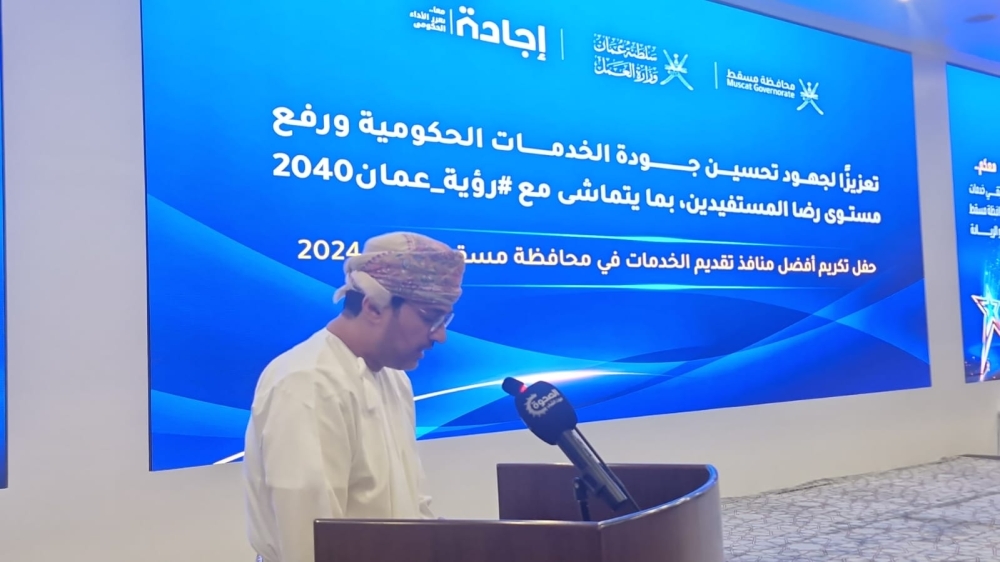
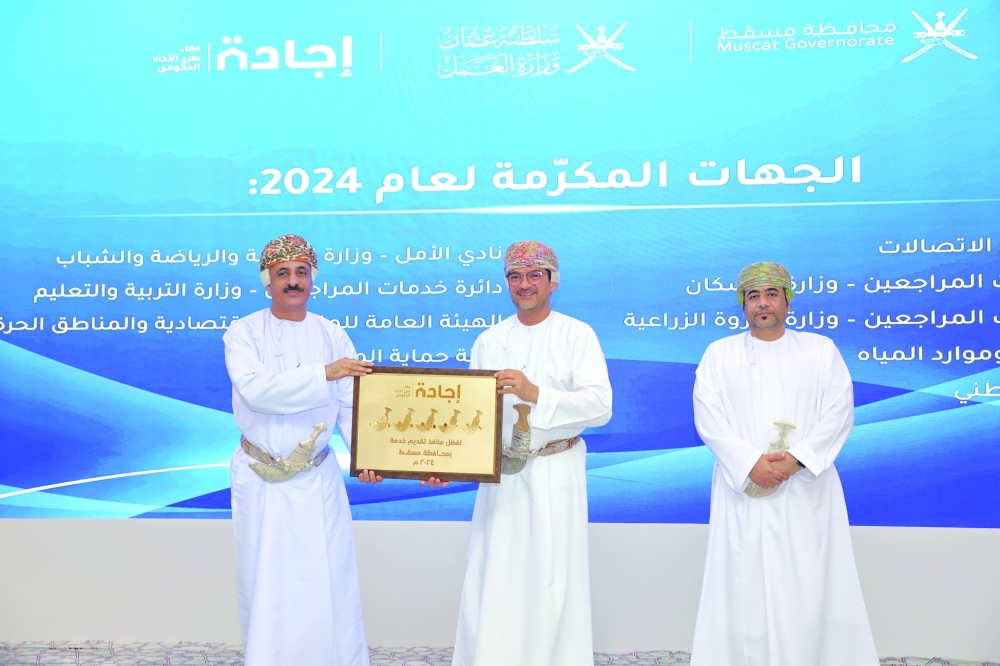
The Governorate of Muscat won two national awards in the third edition of the National System for Institutional Innovation and Change Management competition, which is implemented by the Ministry of Labor in cooperation with the OQ Group, in recognition of its efforts in developing government performance, enhancing the quality of services, and establishing a culture of institutional innovation, confirming the Governorate’s position among the leading government institutions in the fields of continuous improvement and building a sustainable work environment that supports national competencies and contributes to achieving the goals of the “Oman 2040” vision towards an innovative and effective administrative apparatus.
Oman Observer is now on the WhatsApp channel. Click here