In the context of contemporary educational innovation, integrating learning activities has become essential for fostering both cognitive and creative student development. Integrated learning offers a pedagogical framework that connects multiple disciplines, enabling students to engage actively in constructing knowledge while cultivating creativity and critical thinking.
Through integrated learning activities, students gain authentic, hands-on experiences that enhance their ability to comprehend, retain, and apply knowledge across contexts.
Moreover, teachers play a pivotal role in designing and facilitating these activities, guiding learners to explore interrelated concepts autonomously and holistically, thereby promoting deeper understanding and creative problem-solving (Iskandar, Rosmana, Laksita, Puspita Sari, & Laila, 2024).
On the other hand, traditional education typically isolates learning activities within individual subject areas, limiting opportunities for students to make meaningful connections between disciplines.
In contrast, integrated learning emphasises the interrelationships among subjects, enabling students to think critically and apply their knowledge in diverse contexts.
This approach fosters collaboration and communication through teamwork, stimulates creativity by engaging multiple domains of knowledge simultaneously, and enhances motivation and engagement by making learning more authentic, relevant and purposeful.
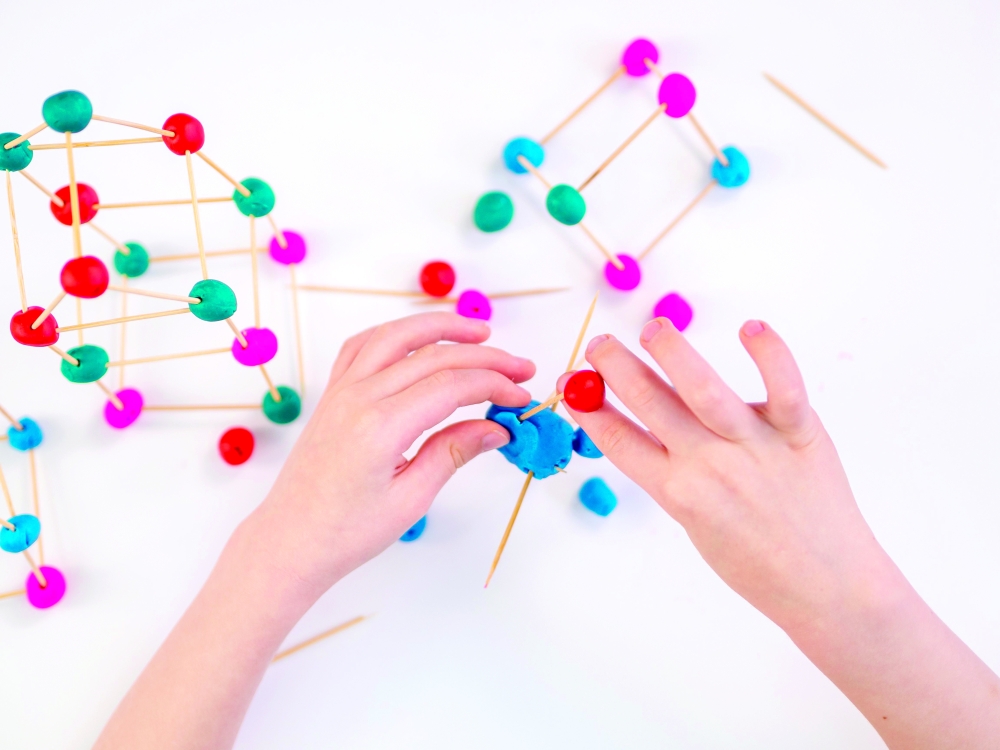
To clarify, integrating learning activities may include examples such as STEM Challenge: Building a bridge model, where students use physics (science), geometry (mathematics), and artistic design.
Community Project: Planning a recycling campaign that combines environmental science, writing (for awareness posters), and social studies.
Story-Based Learning: Creating a digital story about a historical event using technology, language arts, and history.
Entrepreneurship Fair: Designing and marketing a small product, integrating mathematics, economics and language skills.
Moreover, teachers can achieve the best results from integrated curriculum activities by designing meaningful, theme-based learning experiences.
These may include:
Starting with a real-world problem. Selecting learning goals from different subjects that connect naturally to the problem. Designing collaborative tasks in which students work together in groups. Incorporating reflection to help students think about how the subjects are linked.
Research by Puspitasari (2018) shows that such activities also support language development and communication, especially in bilingual or multilingual classrooms.
To sum up, integrated learning activities play a significant role in fostering students’ creativity.
Integrated learning prepares students for real life, where challenges do not come labelled as a 'math problem' or a 'science task.'
It nurtures learners who can think across boundaries, work collaboratively, and develop innovative solutions. Integrating learning activities is an instructional approach that connects concepts, skills, and experiences across multiple subject areas to create a more meaningful and cohesive learning process.
Instead of treating subjects as separate and isolated, integrated learning encourages students to make connections between disciplines, leading to deeper understanding and improved knowledge application.
Research shows that this approach enhances students’ critical thinking by enabling them to analyse and solve problems using insights from various fields.
Oman Observer is now on the WhatsApp channel. Click here