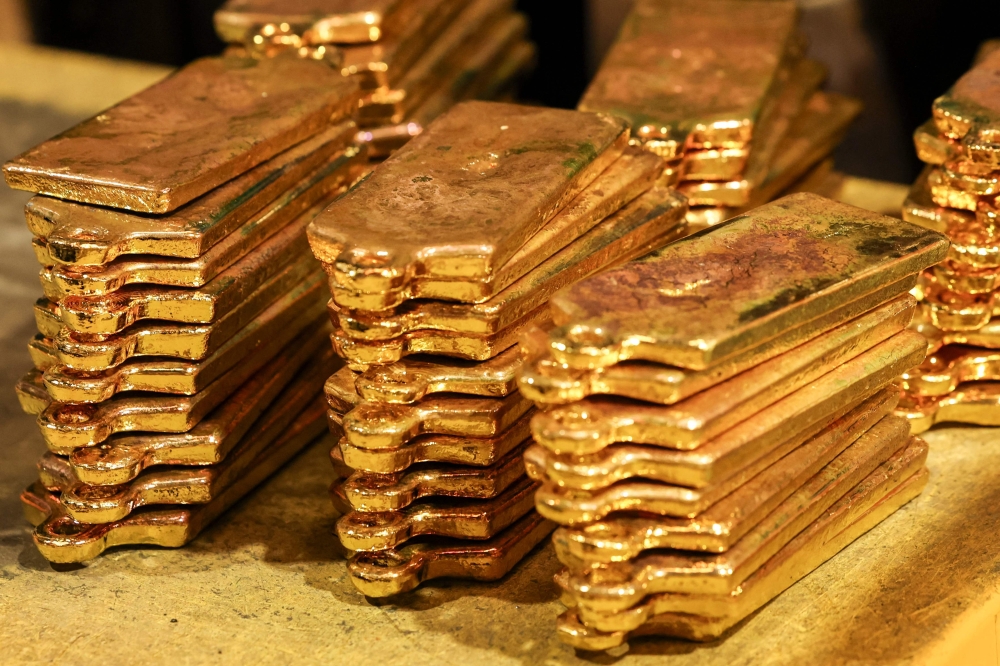
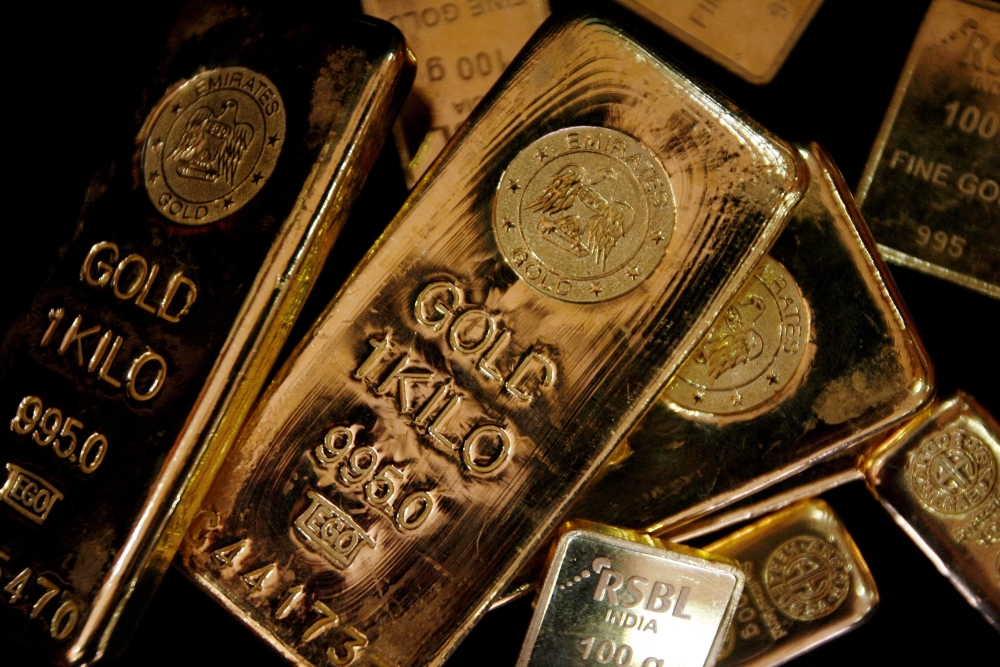
The one commodity that appeals to the hearts of millions is the yellow metal, gold, which has a universal reputation of being the most preferred investment as a speculative hedge and a safe-haven asset. Most gold demand is concentrated in Asia, with the majority of purchases originating in India and China. Central banks hold gold with steady expansion to protect against global market volatility and inflation risks.
Now, globally, banks view gold as a strategic asset in reserve allocation. The main reason is that banks want to diversify away from traditional reserve assets, such as the US dollar. High-net-worth individuals, individual investors and retailers allocate 5-15% of their portfolios to gold for inflation protection.
Globally, 10 to 20% of the investing population invests in gold, but this figure is much higher in India, where people invest 18% of their household savings. This trend reflects a strong cultural preference for the yellow metal; unlike in Europe and North America, household gold consumption is below 10%. China is also witnessing a rapid increase in the demand for gold.
There is an increase in popularity in the Middle East, but it accounts for only a modest share of household earnings. The percentage of investment in gold funds has also rapidly increased in both urban and advanced economies. The shift from physical gold to paper gold is mainly due to ease of trading, lower storage costs and the rise of digital platforms. Gold is flexible in both paper and physical form.
Geopolitical uncertainty, structural shifts, policy changes, inflation shocks, the Covid-19 pandemic and changing perceptions and preferences have now pushed gold prices to a historic high. Gold was worth $1500 per troy ounce in 2015 and in November 2025, it had surpassed $4200, nearly tripling in the last 10 years.
With rising insecurity and uncertainty, people across the world have turned to gold as it is safe, trustworthy and a depository of value. The lower return on bonds and deposits is nudging people towards gold. Central banks in India, China and many South Asian countries have reduced their holdings of US dollar reserves and are now increasing their gold purchases. This structural shift in dedollarisation has created an upward spiral in gold prices.
The trade war between the US and China has significantly contributed to the recent rise in gold prices. Trade tensions, market volatility and escalating economic uncertainty are driving global demand upward for safe assets like gold.
During periods of trade wars, central banks resort to further accommodative policies. Lowered interest rates are intended to counter the economic slowdown caused by tariffs and disruptions. Lower real interest rates correlate with higher gold prices.
Since last year, gold prices have increased by almost 64%, according to financial analysts and experts. It will reach $4500 per troy ounce in Q4 of 2025 and it is likely to increase further to $ 5000 per troy ounce in 2028, provided the drivers continue.
This trend of upward increase will continue as banks and emerging economies worldwide continue the process of dedollarisation. However, resolution of key global conflicts and ongoing wars could lead to sharp market corrections.
According to Goldman Sachs, it will average $4,400 in early 2026 and reach $5,055 by year-end if inflation remains high and policy uncertainty persists. With central banks, buying gold at a record high exceeding 760 tonnes annually, gold is moving from a speculative hedge to a strategic asset.
The steep upward global climb is a narrative of instability in macroeconomic variables, shifting global power balances and institutional reallocation amidst an era of protectionism.
This narrative underpins the complex relationship between structural policies, central banking and gold pricing. These trends are unlikely to reverse in the near future. For now, gold remains a top global commodity, as it is liquid, stable and universally accepted in times of crisis.
Oman Observer is now on the WhatsApp channel. Click here