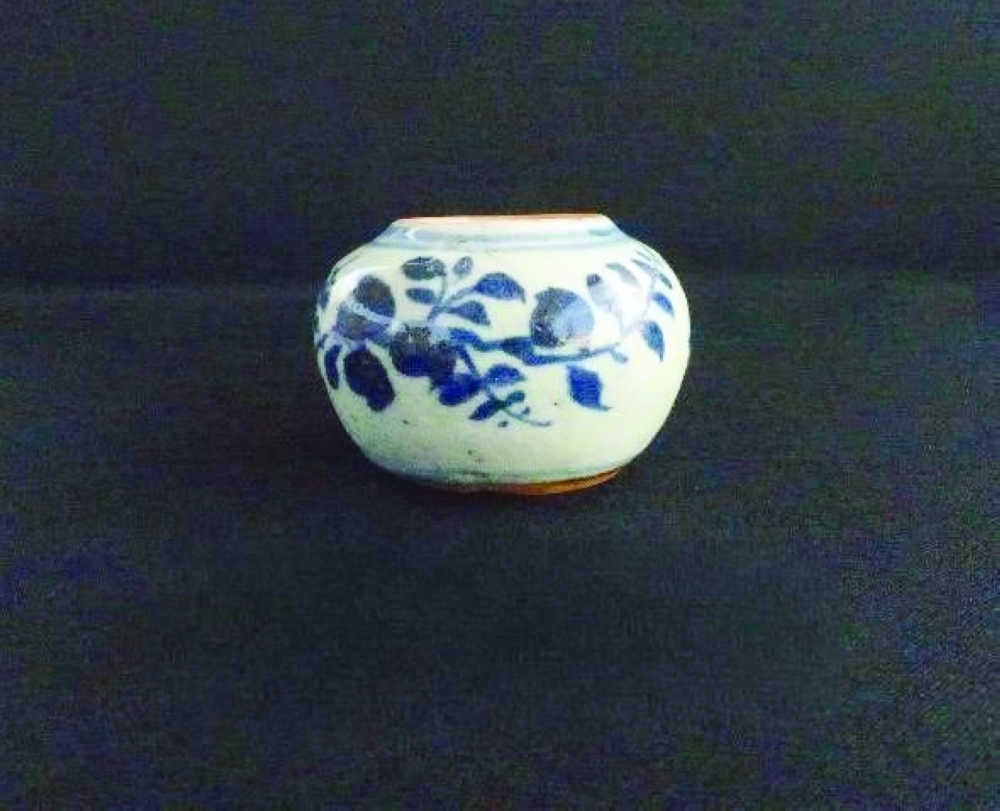





MUSCAT: The Sultanate of Oman joins the world in marking the International Day against Illicit Trafficking in Cultural Property, observed annually on November 14.
The occasion underscores the importance of safeguarding cultural heritage from illegal trade and highlights the need for precautionary measures and international cooperation to curb this global challenge. The illicit trafficking of cultural property is a cross-border issue that demands solidarity, expertise exchange, and coordinated efforts among nations.
Oman boasts a rich and diverse repository of tangible cultural heritage, encompassing immovable assets such as castles, forts, archaeological landmarks, and unique geological sites, alongside movable artefacts including pottery, flint vessels, coins, seals, meteorites and other ancient relics.
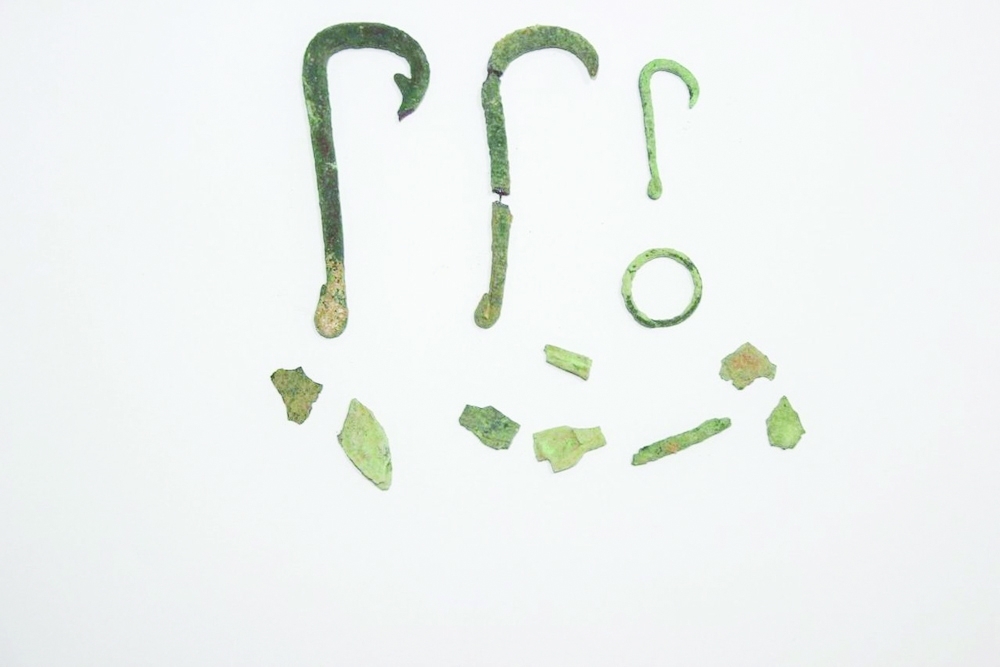
The Ministry of Heritage and Tourism (MoHT) reaffirmed that tangible heritage represents the civilisational and human identity of nations. Illegal trade in such heritage, it noted, has serious consequences, eroding national identity and leading to the loss of invaluable cultural assets.
To safeguard Oman’s cultural legacy, the ministry has launched several initiatives — from public awareness campaigns and capacity-building programmes to the development of preventive measures against theft, smuggling and unauthorised sales. It also maintains regular coordination with international organisations through meetings and workshops.
In line with Royal Decree No 35/2019, which regulates the management and sustainability of cultural heritage, the ministry established the Omani Cultural Heritage Register. The register — supported by an electronic platform and mobile application — allows citizens, museums and institutions to record cultural items in their possession. Each registered piece is assigned a unique code for documentation and tracking in cases of theft or loss.

Through the register, users can also process transactions such as export, lending, purchase, donation or loss reporting. The system ensures that cultural properties are documented according to international standards, contributing to national and global heritage preservation.
The ministry is currently working with government and private museums to complete the national cultural property database, ensuring that heritage assets are managed sustainably and passed on to future generations.
Since 2019, the Cultural Heritage Registry and Combating Illicit Trafficking Department have played a central role in coordinating protection efforts with both domestic and international partners.
Oman has also ratified several international conventions, including the 1954 Hague Convention for the Protection of Cultural Property in the Event of Armed Conflict (Royal Decree No 58/77, its Second Protocol (Royal Decree No 54/2011), and the 1970 Unesco Convention on preventing the illicit import, export and transfer of cultural property (Royal Decree No 69/77). Oman was among the first countries to adopt this Unesco convention.
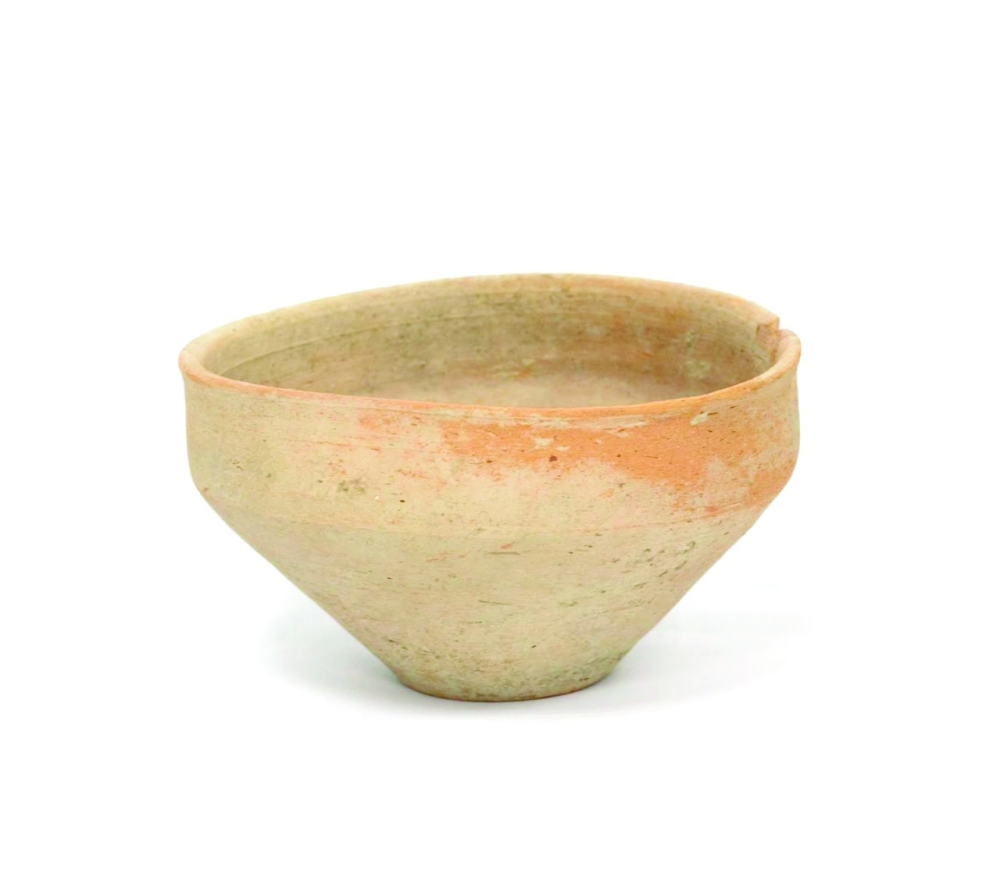
To enhance awareness, the ministry has organised workshops for customs, airport and port authorities, as well as postal sector employees, students and local communities. These sessions highlight the definition, value and protection of archaeological and geological heritage while promoting vigilance against illicit trafficking.
In collaboration with the Royal Oman Police, particularly the General-Directorate of Customs and Airport Security, the ministry continues to strengthen mechanisms for controlling the movement of cultural property. Updated lists of restricted goods have been adopted to ensure compliance with heritage protection laws.
The ministry also encourages citizens to voluntarily hand over any archaeological artefacts they discover and ensures legal procedures are in place to address violations. Warning signs have been placed at various archaeological sites to deter unlawful practices.
The ministry reiterated that the Omani Cultural Heritage Law (Royal Decree No 35/2019) remains the cornerstone for the protection, management and sustainability of the nation’s heritage in line with international standards and conventions. — ONA
Oman Observer is now on the WhatsApp channel. Click here